Adams County · Denver Metro
Drain Cleaning in Brighton, CO
Brighton started as a farm town on the South Platte and has grown into a commuter city. Its older core has the pipe and tree problems of any old town; its newer edges have the problems of new construction.
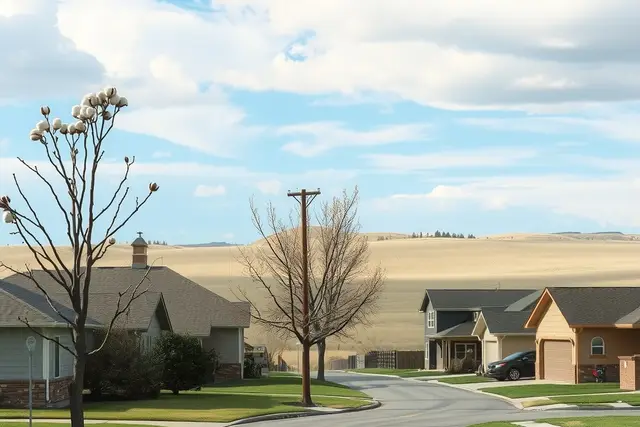
Clogged drain in Brighton?
Answered 24/7
Including holidays and storms
Licensed local plumbers
Licensed in Colorado
Winter-ready
Frozen lines and thaw calls
Price ranges up front
Know the range before they come
Brighton homes and their sewer lines
The historic downtown grid has homes from the early 1900s through the 1950s, many with clay sewer laterals and large cottonwoods. Since the 1990s, new subdivisions have spread in every direction with PVC lines and basements.
Brighton operates its own water and sewer utility; owners maintain their service lines.
Brighton's older homes near the South Platte can sit on soils that stay damp, which is easier on pipes than the expansive clays further west but tends to encourage root growth. If your lateral runs under a big cottonwood, expect roots to return every year or two after cutting. A camera after clearing shows how many joints are involved and whether lining one section would end the cycle.
Brighton drain problems
Cottonwood roots in older clay laterals cause repeat backups near downtown. On the open plains around Brighton, winter wind reaches garages and crawlspaces, so frozen drain and condensate lines are common during cold snaps. Newer homes see the usual grease, wipes and lint.
What drain work usually costs in Brighton
| Job | Typical range |
|---|---|
| Kitchen or bathroom line cleared | $125–$300 |
| Main line from a basement cleanout | $200–$500 |
| Root cutting in an older lateral | $250–$600 |
| Camera inspection | $150–$400 |
| Thawing a frozen section in winter | $300–$600 |
Farm town, county seat, growing suburb
Brighton has been the Adams County seat for more than a century, and its historic downtown along Main Street and Bridge Street is surrounded by homes from the early and mid-1900s. Those homes often have clay or cast iron laterals with mature trees nearby, and root backups are a familiar spring problem. Around them, newer subdivisions built since the 1990s and 2000s have PVC laterals and fewer pipe issues.
Brighton sits on the open plains northeast of Denver, and winter wind is a real factor. Drains running through garages, crawlspaces or exterior walls can freeze during cold snaps, especially in older homes with additions.
Rural properties and septic
Some properties on the edges of Brighton are on septic systems rather than city sewer. If your home is on septic, a backup may be caused by a full tank or a failing drain field rather than a clogged line. Mention septic when you call, because the right response may include coordinating with a septic service. Plumbers can clear the line from the house to the tank, but pumping the tank is a separate job.
When an older Brighton home backs up
- 01
Stop water use
Pause laundry, dishwasher and showers.
- 02
Check the basement
Water at the floor drain usually means the main line.
- 03
Clear and scope
Have it cleared and scoped in one trip.
- 04
Plan maintenance
If roots are found, schedule cutting before next spring.
Common Brighton drain calls
- Spring root backups in older downtown laterals
- Frozen drains in garages and additions during cold snaps
- Kitchen grease clogs in busy households
- Septic-related backups on rural properties
City utilities
The City of Brighton operates its own water and wastewater utilities and maintains the public sewer mains. The lateral from your home to the main is generally the owner's responsibility. If a plumber finds the blockage at the connection to the main, or neighbors are affected too, call the city.
Winter prep
Before winter, insulate any drains that run through unheated spaces, keep garage doors closed during cold snaps and make sure furnace condensate lines aren't exposed to wind. These simple steps prevent most frozen-drain calls in Brighton.
Downtown Brighton's older homes
The neighborhoods around Brighton's historic downtown have homes from the early and mid-1900s, often with clay laterals running to mains under the street. Mature trees along these streets send roots into older joints. Backups in spring at the basement floor drain are the classic sign. Cutting clears the line, a camera inspection shows how widespread the roots are, and a plan for maintenance or lining keeps it from happening again.
Some of these homes have been expanded over the years, and additions may have their own drain lines tied into the original lateral. Mention any additions when you call.
Newer subdivisions
Brighton's newer neighborhoods, many built since the 2000s, have plastic laterals and fewer structural issues. Kitchen grease, wipes and lint are the main causes of clogs. Simple habits like strainers, a trash can by each toilet and a lint catcher on the washer prevent most of them.
What to ask on a Brighton call
Confirm whether you're on city sewer or septic. Ask whether a camera inspection is included and for a price range for clearing and repair. In older homes, ask about root cutting and lining. In winter, ask about thawing if a drain froze.
Brighton through the seasons
Spring brings root backups in downtown Brighton's older laterals and occasional groundwater in low-lying basements. Summer storms can strain mains. Fall is harvest season on the surrounding farms and a good time to pump septic tanks on rural properties before winter. Winter wind and cold freeze drains in garages and additions. A late-winter root cutting and fall septic pumping cover most of the risk.
What moves the price in Brighton
Older downtown lines with heavy roots need more time than newer plastic lines. Rural septic properties may need a pumping service in addition to a plumber. Frozen drains in winter take time to thaw safely. Accessible cleanouts and weekday scheduling keep costs down.
A Brighton homeowner's checklist
Confirm city sewer or septic. In older homes, schedule root cutting in late winter if roots are present. Find and clear your cleanout. Insulate drains in garages and additions before winter. Pump septic tanks on schedule.
When a Brighton drain turns urgent
Treat water at the basement floor drain or a toilet bubbling while the washer drains as a main line warning. Stop using water and book a visit the same day. In winter, a drain that froze and then starts leaking as it thaws also needs prompt attention, because a split fitting inside a wall can soak drywall quickly. On farm properties, check the septic alarm and tank lid before assuming the line itself is blocked.
Call if you notice
- A main line backup in an older downtown home
- A drain freezing in a windy cold snap
- Furnace shutting down with an iced condensate line
- Laundry water at the floor drain
- Kitchen clogs in a newer home
Brighton drain questions
Does Brighton run its own sewer system?+
Yes. The city maintains the public mains; your service line is generally yours.
Why do Brighton drains freeze?+
Open plains and wind push cold into garages, crawlspaces and exterior walls during cold snaps.
Are cottonwood roots a problem here?+
Yes, in older neighborhoods with clay laterals near large cottonwoods.