Pueblo County · Southern Colorado
Drain Cleaning in Pueblo, CO
Pueblo is one of Colorado's oldest cities, built on steel and the railroad, and it has some of the oldest housing on the Front Range. Its sewer lines are just as old.
Clogged drain in Pueblo?
Answered 24/7
Including holidays and storms
Licensed local plumbers
Licensed in Colorado
Winter-ready
Frozen lines and thaw calls
Price ranges up front
Know the range before they come
Pueblo homes and their sewer lines
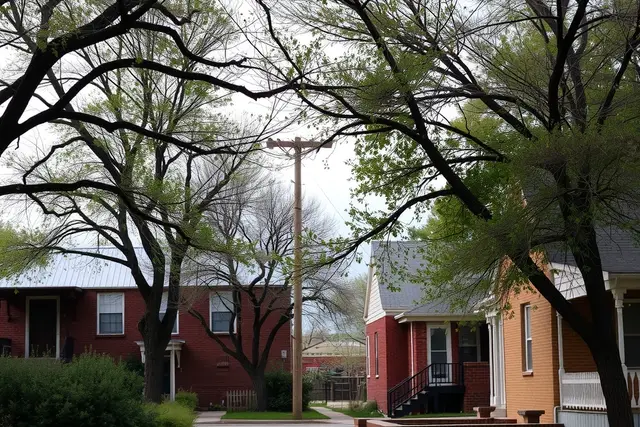
Neighborhoods like the North Side, Mesa Junction, East Side and Bessemer are full of homes from the late 1800s through the 1940s, often brick, with clay or cast iron sewer lines that have been patched over generations. Post-war neighborhoods spread out from there, and Pueblo West, an unincorporated community, has newer homes on large lots.
Pueblo's city wastewater department maintains public mains; Pueblo West has its own district. Owners maintain their service lines.
Pueblo's historic districts also have homes where the sewer lateral runs to an alley rather than the street, a layout common in older Colorado cities. Alley laterals can be longer and pass under garages or fences, so locating them before any repair matters. A camera with a locator marks the route and depth so any digging happens in the right spot.
Why Pueblo drains back up
Very old clay and cast iron, mature street trees and a century of repairs make roots, cracks and offsets common causes of main line backups. Pueblo is warmer than the rest of the Front Range, so freezes are less frequent, but they still happen in older homes with exposed plumbing.
What drain work usually costs in Pueblo
| Job | Typical range |
|---|---|
| Sink or tub line cleared | $125–$300 |
| Main line cleared from the cellar access | $200–$500 |
| Root cutting in an older clay lateral | $250–$600 |
| Camera inspection | $150–$400 |
| Section repair after a scope | $1,500–$5,000+ |
A historic steel city
Pueblo grew around its steel mill, and neighborhoods like the North Side, Mesa Junction, East Side and Bessemer have homes from the late 1800s through the mid-1900s. Many have clay or cast iron sewer laterals, some original and some repaired in sections over the decades. Roots, cracked sections and joints shifted by expansive soils are common findings on a camera run.
Pueblo West and the newer neighborhoods on the city's edges were built largely since the 1970s. Pueblo West in particular has large lots, and some properties use septic systems.
Pueblo Water and wastewater
Pueblo's water and wastewater services are provided by separate entities, and the city's wastewater department maintains public sewer mains. Everything from the house out to the main connection usually falls to the owner. In Pueblo West, sewer service is provided by the metropolitan district.
A plan for an older Pueblo home
- 01
Clear and scope
Open the line and run a camera to see the cause.
- 02
Identify the pipe
Clay, cast iron and later repairs may all be present.
- 03
Schedule maintenance
Book root cutting before spring if roots are found.
- 04
Plan a fix
Get quotes for lining or replacing failing sections.
Common Pueblo drain calls
- Roots in older clay laterals
- Cracked cast iron under older homes
- Grease in kitchen lines
- Septic backups in Pueblo West
Hot summers, mild winters
Pueblo is warmer and drier than the Denver area, so frozen drains are less common, though they still happen during cold snaps. Summer heat and dry soil can shift older pipe, so backups sometimes follow long dry spells.
Bessemer, the East Side and the North Side
Pueblo's older neighborhoods grew up around the steel mill and the railroads, and they have some of the oldest housing in southern Colorado. Small homes on narrow lots in Bessemer and the East Side often have clay or cast iron laterals that are close to a century old. The North Side and Mesa Junction have larger, more ornate homes from the same era. In all of them, roots, cracked cast iron and shifted clay joints are common. A camera inspection is the starting point for any long-term plan.
Because many of these homes have been in the same families for generations, repairs may have been done informally. A camera run sometimes reveals unexpected connections or abandoned lines.
Pueblo West
Pueblo West developed from the late 1960s onward on large lots west of the city. Some homes connect to the metropolitan district's sewer system, while others use septic. Laterals and septic lines can be long. If you're in Pueblo West, check your bills to see which system serves you, and mention it when you call.
Heat, dry soil and older pipe
Pueblo's hot, dry summers bake the soil, and clay soils shrink as they dry. That movement can shift older pipe and open joints. Backups sometimes follow long dry spells, when roots seek out moisture in the sewer line. Regular maintenance and a camera inspection every few years help catch problems early.
What to ask on a Pueblo call
Ask whether you're on city sewer or septic if you're in Pueblo West. In older neighborhoods, ask about cast iron and clay and the options for each. Request the camera video.
Pueblo through the seasons
Summer heat dries clay soil and can shift older pipe. Spring is root season in older neighborhoods. Winter is milder than farther north, but cold snaps still freeze exposed drains. Autumn, after the heat breaks, suits a camera look at a century-old lateral.
What moves the price in Pueblo
Century-old clay and cast iron lines take longer to clear and diagnose. Pueblo West septic properties may need pumping. Newer homes are quicker.
A Pueblo homeowner's checklist
If your home is in one of the older neighborhoods, have the line scoped to see whether it's clay, cast iron or a mix, and keep the video. Put root cutting on the calendar for February if the camera found roots. In Pueblo West, confirm whether you're on district sewer or septic, and keep pumping records if it's septic. Keep the cleanout accessible and insulate any exposed drains before winter cold snaps, even though they're less frequent than farther north.
When a Pueblo drain turns urgent
Sewage in the basement or crawlspace, or several fixtures backing up together, need prompt attention. In older neighborhoods, a cracked cast iron line can also leak under the house without an obvious backup; a persistent sewer smell is worth a call. Older Pueblo basements and crawlspaces can hold that smell for days, so it's worth tracking down rather than masking it.
Call if you notice
- Main line backups in a pre-war brick home
- Roots or pipe pieces on the drain cable
- Rusty, scaly buildup in old cast iron drains
- Slow drains throughout an older house
- Kitchen clogs in a newer Pueblo West home
Pueblo drain questions
Who maintains the sewer in Pueblo?+
The city's wastewater department maintains public mains; Pueblo West has its own district. Your service line is generally yours.
Are Pueblo sewer lines very old?+
In the historic neighborhoods, many date back a century or more, often clay or cast iron.
Should I get a sewer scope before buying an older Pueblo home?+
Yes; old laterals are common and repairs can be costly.