Jefferson County · Denver Metro
Drain Cleaning in Wheat Ridge, CO
Wheat Ridge grew out of farms and orchards, and it still has bigger lots and older trees than most of the metro. That's lovely above ground and hard on the sewer lines below.
Clogged drain in Wheat Ridge?
Answered 24/7
Including holidays and storms
Licensed local plumbers
Licensed in Colorado
Winter-ready
Frozen lines and thaw calls
Price ranges up front
Know the range before they come
Wheat Ridge homes and their sewer lines
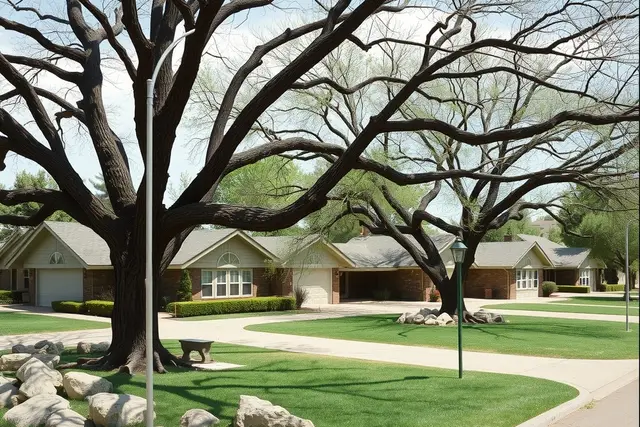
Most homes were built from the late 1940s through the 1960s: ranches and some split-levels on generous lots, often with long laterals running to the street. Many still have clay sewer pipe. Large cottonwoods, elms and old fruit trees are common.
Sewer service in Wheat Ridge comes from several sanitation districts depending on the neighborhood, so check your bill to see who maintains the main.
Wheat Ridge's bigger lots sometimes hide extra plumbing too: detached garages, workshops or guest units with their own drains tied into the main lateral. When a camera inspection is done, ask the plumber to note where each branch joins. Knowing that layout helps if one branch keeps clogging, and it's valuable information when selling a house with outbuildings.
Why Wheat Ridge lines clog
Long clay laterals plus big trees make root intrusion the leading cause of main line backups. Longer runs also mean more joints for roots to find and more room for small sags. Root cutting followed by a camera inspection is the usual first step for a repeat problem.
What drain work usually costs in Wheat Ridge
| Job | Typical range |
|---|---|
| Kitchen or bathroom line cleared | $125–$300 |
| Main line from a basement cleanout | $200–$500 |
| Root cutting in a mid-century clay lateral | $250–$600 |
| Camera inspection | $150–$400 |
| Lining a root-damaged section | $3,000–$8,000 |
Mid-century homes on generous lots
Wheat Ridge grew up in the 1940s, 1950s and 1960s, and much of the city is still made up of ranch homes and split-levels on larger lots than you'll find in many Denver suburbs. Those lots came with big trees, and decades later the trees and the original clay laterals are a classic combination for root backups. A line that slows down every spring and backs up at the basement floor drain is the typical story.
Some Wheat Ridge properties still have the feel of the area's agricultural past, with long driveways and homes set well back from the street. Laterals on these lots can be long, which means more joints for roots to find and a longer cable run to clear them.
Sanitation districts and the main
Wheat Ridge is served by more than one water and sanitation district. Your sewer bill names the one that maintains the public main on your street. The lateral from the house to that main is typically yours. If a backup seems to involve the whole block, call the district first.
When roots are the problem
- 01
Cut
A root-cutting head clears the line so the house can drain.
- 02
Jet
Hydro jetting removes fine root hair and extends the time before roots return.
- 03
Scope
The camera shows how many joints are affected and whether the pipe is cracked.
- 04
Decide
Schedule cutting every year or two, or line the affected joints permanently.
Signs your Wheat Ridge lateral needs attention
- Backups in spring at the basement floor drain
- Gurgling toilets when the washer drains
- Roots on the cable after clearing
- A long lateral that clogs at the same spot repeatedly
Keeping the trees
Most Wheat Ridge homeowners value their mature trees, and removing one rarely stops roots that are already in the pipe. Lining the affected sections seals the joints and lets you keep the tree. It's usually done through the cleanout without digging up the yard. Ask for the camera video and a lining quote alongside the cost of ongoing cutting so you can compare over five to ten years.
Buying in Wheat Ridge
A sewer scope during the inspection period is one of the most useful checks on a mid-century Wheat Ridge home. Roots, offsets and long laterals are common, and the video gives you a clear basis for a repair request or credit.
Long laterals on big lots
Many Wheat Ridge homes sit well back from the street on larger lots, and their laterals can be long. Longer runs mean more joints and more chances for roots to get in. They also mean a longer cable run for the plumber, which can affect cost. A camera inspection maps the whole line, showing where roots are and how far from the house, so maintenance can be targeted.
Split-levels and the lowest bathroom
Wheat Ridge has many split-level homes, where the lowest bathroom sits near the sewer outlet. That bathroom is the first to show trouble when the main narrows. If it gurgles when upstairs fixtures drain, or water appears in the shower pan during laundry, book a visit.
What to ask on a Wheat Ridge call
Ask about lining as an alternative to repeated root cutting on long laterals, and request the camera video with distances marked to each root joint.
Wheat Ridge through the seasons
In Wheat Ridge, spring is root season. The big trees on large lots push into long clay laterals, and backups at basement floor drains follow. Summer storms can surcharge older mains. Fall brings leaves and the start of heavier household use. Winter is usually quiet for drains, though crawlspace and garage lines can freeze during deep cold. Booking root cutting in late winter is the single most useful habit for an older Wheat Ridge line.
What moves the price in Wheat Ridge
Long laterals on big lots mean longer cable runs, and heavy roots under mature trees often need cutting plus jetting. Both push the cost up. Accessible basement cleanouts keep it down. If roots return every year, compare the cost of cutting over five to ten years with a quote for lining the affected joints. Many Wheat Ridge homeowners find lining pays for itself over time.
A Wheat Ridge homeowner's checklist
Have your long lateral scoped and the root joints mapped. Schedule cutting in late winter. Compare the cost of ongoing cutting with lining. Keep the cleanout accessible.
When a Wheat Ridge drain turns urgent
Water at the floor drain or the lowest bathroom in a split-level backing up means the main is blocked. Stop using water and call. Spring backups on these long laterals tend to recur, so book the follow-up camera run while the plumber is there.
Call if you notice
- Yearly main line backups under large trees
- Roots on the cable after clearing
- Water at the basement floor drain
- Slow drains throughout an older ranch
- A soggy patch of lawn along the sewer path
Wheat Ridge drain questions
Why are roots such a problem in Wheat Ridge?+
Big lots with mature trees and long clay laterals give roots many joints to find.
Who maintains the sewer main in Wheat Ridge?+
One of several sanitation districts, depending on your address.
Should I scope my Wheat Ridge line before buying?+
Yes, especially on an older home with large trees in the yard.