Denver County · Denver Metro
Drain Cleaning in Denver, CO
Denver's older neighborhoods were built over a century of booms, and a lot of the sewer pipe under them dates from those years. Clay laterals, big street trees and basements that sit below the sewer main add up to more main line backups than almost anywhere else on the Front Range.
Clogged drain in Denver?
Answered 24/7
Including holidays and storms
Licensed local plumbers
Licensed in Colorado
Winter-ready
Frozen lines and thaw calls
Price ranges up front
Know the range before they come
Denver homes and their sewer lines
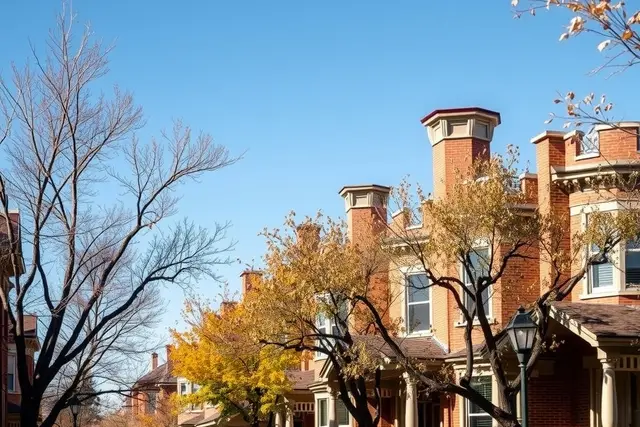
Neighborhoods like Washington Park, Highland, Park Hill, Capitol Hill, Baker and Berkeley are full of brick bungalows, foursquares and Victorians from roughly the 1890s to the 1940s. Many still have their original vitrified clay sewer laterals running under the front yard to the city main, sometimes patched in places with cast iron or PVC. Post-war neighborhoods like Harvey Park, Virginia Village and Montclair's later sections added ranch homes with basements in the 1950s and 1960s.
Denver property owners are generally responsible for their own sewer lateral, including the connection to the main. That makes a scope before buying, and the camera footage after a backup, especially useful here.
Why Denver drains back up
Large elms, maples, cottonwoods and ash trees line many older Denver streets, and their roots work into clay pipe joints. The typical result is a main line that backs up into the basement floor drain every year or two, often in spring. Basements in older homes also sit low relative to the main, so any blockage shows up downstairs first.
Grease in kitchen lines is the other big one, especially in older homes with galvanized steel kitchen drains. And during deep cold snaps, drains in additions and enclosed porches over crawlspaces can freeze. See main sewer line clogs in Denver and tree roots in Denver sewer lines.
Sewer cleaning in Denver: methods and what it costs
Most Denver sewer cleaning calls are a main line backup into the basement. A plumber usually clears it with a cable machine and root cutter from a cleanout, which typically runs $200 to $450. If roots or grease come back fast, hydro jetting scours the whole pipe wall and usually costs $450 to $900. A camera inspection afterward ($150 to $350, often discounted when done the same visit) shows whether the clay lateral is cracked or offset, which decides whether cleaning on a schedule is enough or the line needs lining or a spot repair.
Denver neighborhood by neighborhood
Denver is really several cities' worth of housing eras stitched together. A scrape-and-rebuild in Highland can have a brand-new house sitting on a hundred-year-old clay lateral, while a Central Park home three miles away has nothing older than twenty years under it. Knowing which kind of Denver house you have tells a plumber a lot before they ever open the cleanout.
| Area | Typical homes | Common drain issue |
|---|---|---|
| Washington Park, Platt Park, Bonnie Brae | 1910s–1940s bungalows and Tudors | Roots in clay laterals under big street trees |
| Highland, Berkeley, Sloan's Lake | Victorians, bungalows, many rebuilt as new homes | Old laterals tied to new houses; offset joints |
| Park Hill, Montclair, Hale | 1920s–1950s brick homes with basements | Basement floor drain backups, roots |
| Harvey Park, Bear Valley, Virginia Village | 1950s–1960s ranches and split-levels | Aging clay or Orangeburg laterals |
| Stapleton/Central Park, Lowry | 1990s–2010s new construction | Wipes, grease, settled sections |
A Denver drain calendar
| Season | What tends to happen |
|---|---|
| Spring | Roots wake up; older laterals back up into basements |
| Summer | Dry soil drives roots toward leaking joints; irrigation-season sewer smells |
| Fall | Leaves and debris near outdoor drains; first cold snap tests exposed lines |
| Winter | Arctic fronts freeze drains in porches and additions; holiday grease clogs |
What a typical Denver main line call looks like
- 01
The symptom
Water rises around the basement floor drain during a load of laundry in a 1920s bungalow.
- 02
Access
The plumber finds a 4-inch cleanout near the front basement wall and runs a cable with a root cutter toward the street.
- 03
The cause
Roots at a clay joint roughly 40 feet out, under the parkway tree.
- 04
The plan
Line cleared today; camera footage saved; root cutting rebooked for next spring, or a quote to line that section.
Buying an older Denver home
Most Denver buyers of pre-1980 homes order a sewer scope during the inspection period, and for good reason: the lateral is the owner's responsibility all the way to the main, and in some neighborhoods that means under the sidewalk, the tree lawn and part of the street. Repairs that require cutting the street or working near the main can run well into five figures. A scope report with distances lets you get a specific repair quote and negotiate with real numbers.
If the house has been rebuilt, ask whether the sewer lateral was replaced at the same time. It often wasn't.
Before you call
- Find your cleanout: basement front wall, under the stairs or outside near the foundation.
- Note which fixtures are affected and whether water is coming up anywhere.
- Stop all water use if the basement floor drain is rising.
- Have any old sewer scope video or repair records handy.
Alley mains and long laterals
In parts of older Denver, sewer mains run down the alley rather than the street. That puts the lateral under the back yard and sometimes under a detached garage, which changes where a plumber looks first and how hard a repair is. If your cleanout is near the back of the house, or the trash collection is in the alley, ask the plumber which way your line runs; a camera with a locator can mark it precisely.
Longer laterals also have more joints, which means more places for roots to enter. A line that runs 80 or 100 feet to an alley main can need cleaning more often than a short run to the street.
Repair or maintain?
For a Denver lateral with roots at one or two joints and otherwise sound clay, yearly cutting is often reasonable. When a camera shows roots at many joints, cracks or a collapsed section, repair becomes the better value. Pipe lining is common in Denver because it avoids digging up mature trees, sidewalks and streets. Full replacement makes sense when the line is badly broken or shallow enough to dig easily. A written quote based on the camera video is the way to compare these honestly.
More Denver drain questions
- 01
Can a plumber clear the line if my cleanout is buried?
Yes, by pulling a toilet, but locating and exposing the buried cleanout is worth it for the future.
- 02
My neighbor's line backs up too. Is it the city's main?
Possibly. If several houses on the block back up together, call Denver Wastewater as well as a plumber.
Call if you notice
- Water rising from the basement floor drain when the washer empties
- Main line backups in spring, year after year
- Roots or clay fragments on the cable after a clearing
- Gurgling toilets in a bungalow with one bathroom
- A kitchen drain that clogs every few months
Denver drain questions
Who is responsible for the sewer line in Denver?+
Generally the property owner, for the lateral from the house to the city main. Denver's wastewater utility handles the main itself.
Why does my Denver basement floor drain back up?+
It's the lowest drain in the house, so a main line blockage, often roots in an old clay lateral, shows up there first.
Should I get a sewer scope before buying in Denver?+
For homes built before about 1980 it's widely recommended, and many Denver buyers order one during the inspection period.