Garfield County · Western Slope
Drain Cleaning in Carbondale, CO
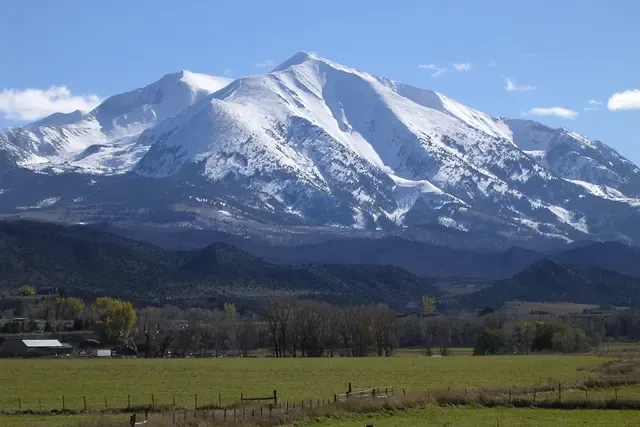
Carbondale is the ranching town turned arts town at the foot of Mount Sopris, where the Crystal River joins the Roaring Fork at about 6,200 feet. Its irrigation ditches, cottonwoods and mix of old and new homes all show up in its drain calls.
Answered 24/7
Including holidays and storms
Licensed local plumbers
Licensed in Colorado
Winter-ready
Frozen lines and thaw calls
Price ranges up front
Know the range before they come
Carbondale homes and their sewer lines
The original town grid around Main Street has small homes from the early 1900s through the 1960s, with clay laterals and cast iron. Many have been remodeled or added onto, and their drains can be a mix of old and new pipe.
River Valley Ranch and other neighborhoods built from the 1990s on have PVC laterals and larger homes. The Town of Carbondale runs the public sewer and treatment.
Out in Missouri Heights, up the Crystal River valley and on ranch land around town, homes are often on septic.
Carbondale drain problems
Open irrigation ditches run through town, and cottonwoods along them and along the rivers send roots into clay laterals. Old homes have scaled cast iron. Hillside and rural homes have long lines to septic tanks. Winter cold freezes drains in crawlspaces and outbuildings.
What drain work usually costs in Carbondale
| Job | Typical range |
|---|---|
| Sink, tub or toilet clog cleared | $125–$300 |
| Main line in a town home | $200–$500 |
| Root cutting near a ditch or river | $250–$650 |
| Line to a septic tank cleared | $200–$550 |
| Camera inspection | $150–$400 |
Ditches through town
Carbondale is one of the few Colorado towns where open irrigation ditches still run along the streets, carrying water from the Crystal River through neighborhoods and parks. The ditches keep trees green, and those trees, including big cottonwoods, send roots toward any wet spot underground. A clay lateral that runs near a ditch is in prime root territory. If your home sits along one, expect to cut roots in an older lateral every year or two, or plan to repair the leaking joints.
Old town homes and remodels
The blocks around Main Street have modest homes from the early 1900s through the 1960s, many expanded over the years with additions, new bathrooms and finished basements. Each project can leave new drain lines tied into old ones. Where PVC meets old cast iron or clay, the joint is a common place for roots or a lip that catches paper. A camera inspection maps the materials and shows where a problem starts.
River Valley Ranch and newer neighborhoods
River Valley Ranch, built from the 1990s on along the Roaring Fork, and other newer neighborhoods have PVC laterals and modern fixtures. Their drain trouble is mostly about use: grease from kitchens, wipes in toilets and hair in showers. Larger homes with many bathrooms on a single lateral can also see clogs where branches join. These clear quickly, and good habits prevent most of them.
Missouri Heights and the Crystal River valley
North of town, Missouri Heights is a high, dry mesa dotted with homes on large lots, and the Crystal River valley south of town has ranches and homes along the river road. Most of these properties use septic systems, and their lines can be long. When one backs up, the tank's pumping date is the first question. If it's current, a plumber can clear the line and run a camera to the tank.
Sinkholes in the valley floor
Like the area around Glenwood Springs, parts of the Carbondale area sit over soluble evaporite rock, and sinkholes have opened in the region over the years. Most are in open ground, but any settling near a house can affect a sewer line. If you notice a new depression in your yard over the lateral, have the line scoped before it turns into a backup.
Keeping a Carbondale home's drains clear
- 01
Know where the lateral runs
Especially if a ditch or big tree is nearby.
- 02
Cut roots on schedule
Every year or two for older clay lines near water.
- 03
Pump septic on time
Every three to five years for most rural homes.
- 04
Protect cold spaces
Insulate drains in crawlspaces and outbuildings.
Common Carbondale drain calls
- Roots in laterals near town ditches
- Old-town cast iron slowed by scale
- Septic backups in Missouri Heights
- Grease in kitchen lines
- Frozen drains in winter
Mountain Fair and busy summers
Carbondale's Mountain Fair each July and its year-round events bring visitors to town, and many local homes fill up with guests. A full house uses more water and puts more paper and grease down the drains. Spacing out laundry and keeping wipes out of toilets helps an older lateral handle the crowd.
What affects the cost in Carbondale
Simple clogs are quick. Root-packed laterals near ditches, old cast iron, rural septic lines and winter thawing take longer. A camera inspection after clearing a main line shows whether it's a one-time clog or a line that needs ongoing care.
Old ranch houses folded into town
As Carbondale grew, some ranch houses on the edge of town ended up inside new neighborhoods, with their old drain lines reconnected to town sewer. Those homes can have an original line running to where a septic tank once sat, then a newer section heading to the main. The transition is a common place for trouble. A camera inspection maps the route and shows whether any old tank or fittings are still in the line.
Mount Sopris snowmelt and spring groundwater
Snowmelt off Mount Sopris and the Elk Mountains feeds the Crystal River, and spring runoff raises groundwater in lower parts of the valley. Older laterals with open joints can take in water during the melt, which adds load to the line and can wash soil in. If your drains slow every spring, a cracked lateral is a likely cause, and scoping it before summer gives you time to plan a repair.
Art studios, workshops and utility sinks
Carbondale has many artists, potters and makers, and plenty of homes have studios or workshops with utility sinks. Clay, plaster, grout and paint solids should never go down a drain, because they settle and harden in traps and lines. A settling bucket or a sink trap designed to catch solids keeps studio waste out of the house drain and the town sewer.
Manufactured home parks along the highway
Carbondale has several manufactured home parks, where each home's drain connects to a privately owned park system. In those parks, the park owner is usually responsible for the shared lines and the homeowner for the drains under the home. If several homes back up at once, it's a park line. If only yours does, the problem is likely under your home, where drains also run through the cold crawlspace in winter.
Call if you notice
- Roots near a town irrigation ditch
- Slow drains in an old Main Street home
- Septic backups in Missouri Heights
- Frozen drains in a crawlspace
- Grease in a busy kitchen line
Carbondale drain questions
Who runs the sewer in Carbondale?+
The Town of Carbondale operates the public sewer. The lateral from your house to the main belongs to you.
Why are roots so common in town?+
Ditches keep cottonwoods and other trees watered, and their roots find leaking joints in nearby laterals.
Can a plumber help with a septic home in Missouri Heights?+
Yes. Missouri Heights house drains and the line running out to the tank can be cleared and scoped by a plumber; tank pumping is a separate septic service.