Mesa County · Western Slope
Drain Cleaning in Palisade, CO
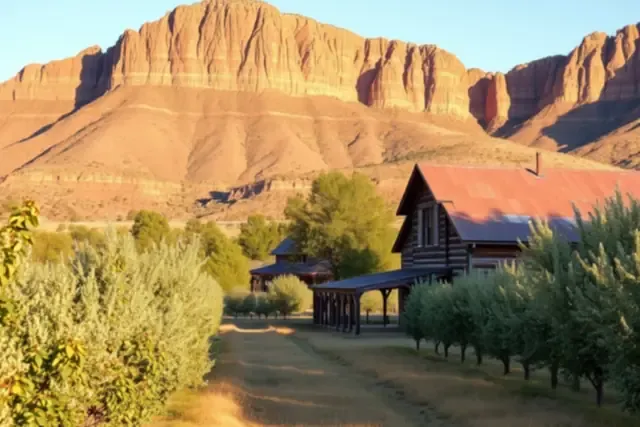
Palisade is the small orchard and wine town at the east end of the Grand Valley, where the Colorado River leaves De Beque Canyon below Mount Garfield and the Book Cliffs. Peaches, vineyards and irrigation water shape both its housing and its drain calls.
Clogged drain in Palisade?
Answered 24/7
Including holidays and storms
Licensed local plumbers
Licensed in Colorado
Winter-ready
Frozen lines and thaw calls
Price ranges up front
Know the range before they come
Palisade homes and their sewer lines
The town grid holds small homes from the early 1900s through the 1960s, many with clay laterals and cast iron that have been in the ground a long time. Newer homes have filled in around the edges of town since the 1990s.
In-town homes are on the Town of Palisade sewer system. Orchard and vineyard properties on East Orchard Mesa and along the river roads are usually on septic, often with long runs from house to tank.
Old farmhouses on the fruit ranches have been added onto over the years, and their drain lines can be a mix of materials joined at different times.
Palisade drain problems
Roots from shade trees and orchard trees find old clay joints, and irrigation season keeps the ground wet. Rural septic lines clog or back up when tanks fill, especially during harvest when extra workers or guests are in the house. Grease from canning and cooking during peach season shows up in kitchen lines every August.
What drain work usually costs in Palisade
| Job | Typical range |
|---|---|
| Kitchen or bathroom clog cleared | $125–$300 |
| Main line in a town home | $200–$500 |
| Root cutting in an old clay lateral | $250–$650 |
| Line from an orchard home to the septic tank | $200–$550 |
| Camera inspection | $150–$400 |
Peach season in the kitchen
Late summer in Palisade means peaches by the box, and for many households that means canning, jam, pies and cobblers. Peels, pits, pulp and sugar syrup go down sinks and disposals in amounts the kitchen line never sees the rest of the year. Add grease from big family meals, and the kitchen drain can slow right in the middle of the busiest week of the year. Compost the peels, toss pits in the trash, and run plenty of hot water after rinsing sticky pots.
Festival weekends and full houses
The Palisade Peach Festival every August and the wine festival in September bring thousands of visitors, and plenty of local homes host friends and family. In town, a full house means heavy use of an older lateral. On orchard properties with septic, it means a tank receiving several times its normal daily load. Pumping a septic tank before a busy season, and spacing out laundry, keeps a crowded weekend from ending in a backup.
Old pipes on the town grid
Palisade's older homes sit on a compact grid with established shade trees. Clay laterals from the early and mid 1900s run to the town mains, and roots from those trees find the joints. The first sign is usually a toilet that gurgles or a tub that drains slowly when the washer runs. Root cutting clears the line, and a camera inspection shows whether a joint has separated or a section has cracked.
Orchard homes and long septic runs
On East Orchard Mesa and the river roads, homes sit among the orchards and vineyards on larger parcels, with septic tanks and fields placed wherever the ground allowed. The line from house to tank can be long, and in irrigated ground the soil around it stays damp much of the year. Roots from orchard trees and windbreaks can reach those lines. When the tank's pumping is current and drains are still slow, a plumber can clear and scope the line to see what's in it.
If your Palisade home backs up
- 01
Stop water use
Hold off on dishes, laundry and showers.
- 02
Town or septic?
That decides whether the main line or the tank is the first suspect.
- 03
Check the lowest drain
Water at a floor drain or basement fixture points to the main line.
- 04
Clear the cleanout
Move canning supplies or stored gear so it can be reached.
Common Palisade drain calls
- Kitchen lines slowed by canning waste
- Roots in a clay lateral under an old shade tree
- Backups during festival weekends
- Long lines to septic tanks on orchard parcels
- Additions plumbed into an old farmhouse drain
Cold air in the orchards
Palisade's orchards depend on cold air draining down the valley in spring, which is why growers run wind machines on frost nights. That same cold settles on winter nights too. Drain lines in old farmhouse crawlspaces, mudrooms and outbuildings with sinks can freeze in a cold stretch. If a building is only heated part of the year, drain its traps or keep it above freezing through January.
Getting a Palisade call done quickly
Tell the plumber whether you're in town or on an orchard property, whether you're on sewer or septic, and the age of the home and any additions. If the property has a long gravel drive or a locked gate, mention it. Knowing where the cleanout and tank lids are saves the most time of all.
Water hardness and old fixtures
Palisade homes on town water have different water than wells and cisterns on outlying parcels, and older homes may have fixtures that have been in place for decades. Mineral scale narrows old tub and lavatory drains and roughens the inside of galvanized drain arms, which then catch hair and soap. If several bathroom drains in an older Palisade house are slow at once, the pipes behind the walls may be part of the problem, not just the traps.
Wineries, tasting rooms and home businesses
Some Palisade properties combine a home with a small farm stand, tasting room or bed and breakfast. Those mixed uses put more water through a residential drain system than it was designed for. Grease from food service and grape or fruit solids from processing need to be kept out of household drains. If you run a small business from your property, ask the plumber whether your lines and septic system are sized for the load.
Where the river and canals meet town
The Colorado River runs along the south side of Palisade, and irrigation canals run along the base of the cliffs to the north. Between them, the ground stays damp much of the irrigation season. That moisture helps orchards and also helps roots grow toward any pipe joint that leaks. Homes closest to the river and the canal banks see the most root activity, so they benefit most from regular root cutting.
Call if you notice
- Roots in an old clay lateral on a town lot
- Slow drains everywhere in an orchard home on septic
- Kitchen clogs after a week of canning
- Backups in an addition tied into an older line
- A wet patch over the line to the septic tank
Palisade drain questions
Is Palisade on public sewer?+
Homes in town are on the town's system. Many orchard and vineyard homes outside town are on septic.
Why does my kitchen sink clog in August?+
Canning and cooking add grease, pits and peels that build up in the kitchen line. Strain and scrape before rinsing.
Can a plumber help with an orchard home on septic?+
Yes. A plumber clears clogs inside the orchard house and along the run out to the tank, while pumping the tank itself is a job for a septic company.