Larimer County · Northern Colorado
Drain Cleaning in Fort Collins, CO
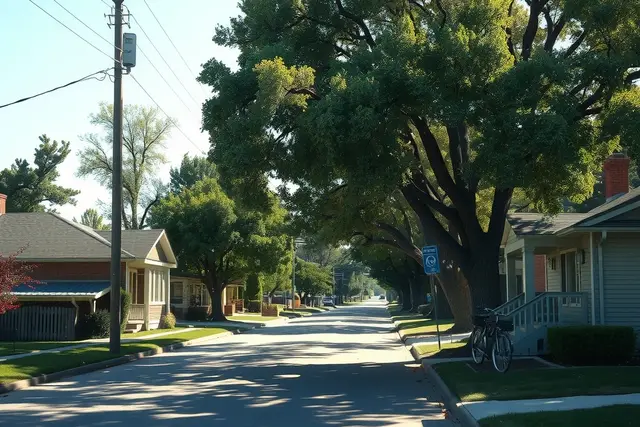
Fort Collins has some of the most tree-shaded older neighborhoods in Northern Colorado, and the roots under them are a big part of why main lines back up here. Add expansive clay soil and long winters, and drain calls follow the seasons.
Clogged drain in Fort Collins?
Answered 24/7
Including holidays and storms
Licensed local plumbers
Licensed in Colorado
Winter-ready
Frozen lines and thaw calls
Price ranges up front
Know the range before they come
Fort Collins homes and their sewer lines
Old Town, the neighborhoods around Colorado State University and the streets west of College Avenue have bungalows and cottages from the early 1900s through the 1940s, often with clay sewer laterals. Mid-century ranches spread south through the 1950s to 1970s, and newer subdivisions fill much of south and east Fort Collins.
Fort Collins Utilities runs the city sewer system; the service line from the house to the main is generally the owner's to maintain.
Fort Collins drain patterns
Cottonwoods, ash, maples and elms are everywhere in older Fort Collins, and their roots are the leading cause of repeat main line backups in clay laterals. Northern Colorado's expansive clay soils swell and shrink with moisture, which can shift older pipe joints over time.
Rentals near campus see a lot of kitchen grease and toilet clogs, and winters bring frozen drain lines in garages and additions. See main sewer line clogs in Fort Collins and frozen drain lines in Fort Collins.
Fort Collins by neighborhood
| Area | Typical homes | Common drain issue |
|---|---|---|
| Old Town, Laurel School, Eastside | Early 1900s bungalows | Clay laterals, cottonwood and ash roots |
| Near CSU | Older homes, many rentals | Kitchen and toilet clogs, roots |
| Midtown, south of Prospect | 1960s–1970s ranches | Aging laterals, shifting clay soil |
| Southeast and new edges | 1990s onward | PVC; grease, wipes, frozen garage drains |
Expansive soils and Fort Collins pipes
Much of Northern Colorado sits on clay soils that swell when wet and shrink when dry. Over decades, that movement can shift older pipe joints and create small offsets or sags. A sewer camera in an older Fort Collins home often shows a line that's sound overall but has joints slightly out of alignment, which is exactly where roots and debris catch.
Wet springs followed by dry summers can make the problem worse, which is why some homeowners notice their drains getting slower over the summer months.
A typical Fort Collins call
- 01
The symptom
Toilets gurgle and the basement floor drain backs up in a 1920s Old Town bungalow every April.
- 02
Access
Cleanout in the basement, though some older homes require pulling a toilet.
- 03
The cause
Cottonwood roots in clay joints under the front yard.
- 04
The plan
Roots cut, camera inspection, quote for lining the worst section.
Rentals near campus
Fort Collins has a lot of rental homes near Colorado State University, and they see a steady rhythm of drain calls at the start of each semester and after big weekends. Landlords who scope and clean the main line between tenants, add hair catchers and post a short list of what not to flush tend to avoid most emergency calls.
Before you call
- Note if backups happen at the same time each year.
- Check for roots or clay pieces if the line was cleared before.
- Find the cleanout and make sure it's accessible.
- If water is coming up anywhere, stop flushing and running taps.
Old Town lateral details
Old Town Fort Collins was laid out with alleys, and some older homes have sewer laterals that run to an alley main rather than the street. These laterals can pass under garages, sheds or fences. Before any repair, a camera with a locator should mark the exact route and depth so digging happens once and in the right place.
Old Town homes also tend to have smaller basements with tight access, sometimes with the cleanout in a hard-to-reach corner. Clearing a path to it before the plumber arrives saves time.
Winter in Fort Collins
Fort Collins gets colder, longer cold snaps than Denver, and wind across the plains reaches garages and crawlspaces. Frozen drains in additions and bonus rooms over garages, and frozen furnace condensate lines, are common January calls. Insulating vulnerable lines in the fall and routing condensate lines to drain indoors prevent most of them.
If a drain stops during a cold snap and the rest of the house is fine, treat it as a frozen line rather than a clog, and avoid pouring boiling water or using a torch.
Repair options for older lines
Many older Fort Collins homes face a choice between annual root cutting and a permanent fix. Lining is popular because it preserves the mature trees that make these neighborhoods attractive and avoids digging up yards and alleys. A camera inspection and quotes for both lining and replacement give you the numbers to decide.
More Fort Collins drain questions
- 01
Do I need a permit to replace my sewer line?
Generally yes. A licensed plumber pulls it and coordinates with the city.
- 02
Will lining work on my Old Town clay line?
Often, as long as the camera shows no collapsed sections.
- 03
My rental's drains are always slow. Where do I start?
Clear and scope the main line, then add hair catchers and a lint trap.
A note on Fort Collins water
Fort Collins water is relatively soft for the Front Range, so scale buildup in drains is less of an issue than in harder-water towns. Hair, grease and roots are the main culprits here.
Midtown and south Fort Collins
Midtown and the neighborhoods south of Prospect were built from the 1960s through the 1980s. Many have laterals of clay or early plastic that are reaching the age where joints shift in the clay soils. Drain calls here often start as slow drains over a summer and end with a basement backup. A camera inspection usually shows a few offset joints with roots, which can be handled with cutting, jetting or targeted repairs depending on how many joints are involved.
Keeping lines healthy
For older Fort Collins lines with known roots, a schedule works better than waiting: book cutting before spring, scope every few years and line the worst joints when the numbers make sense.
Call if you notice
- Spring main line backups in an Old Town or campus-area home
- Roots on the cable after a sewer clearing
- Kitchen and toilet clogs in a rental
- A drain that freezes in an attached garage
- Slow drains after a wet spring (shifting soil)
Fort Collins drain questions
Why do Fort Collins sewer lines get roots?+
Many older neighborhoods combine clay laterals with large cottonwoods, ash and maples, whose roots seek out pipe joints.
Who owns the sewer line in Fort Collins?+
The city maintains the main; the service line from your house is generally your responsibility.
Do landlords or tenants pay for clogs in Fort Collins rentals?+
It depends on the lease and the cause. Main line roots are usually the owner's issue; a clog from something flushed may be charged to the tenant.