Huerfano County · Southern Colorado
Drain Cleaning in Walsenburg, CO
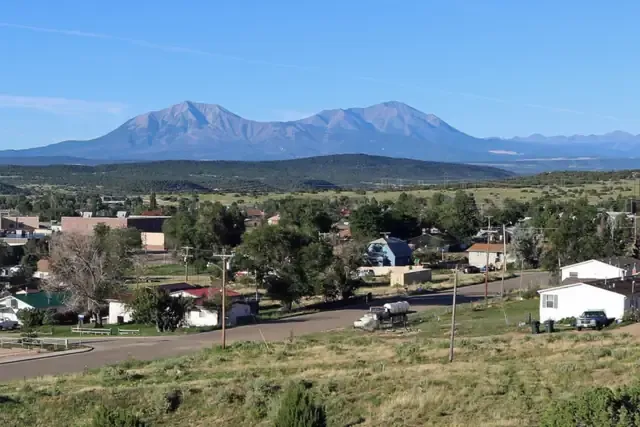
Walsenburg is the seat of Huerfano County, a city of about 3,050 people at roughly 6,200 feet on the north bank of the Cucharas River, where I-25 meets US 160 below the Spanish Peaks. It began in 1859 as La Plaza de los Leones, took the name of merchant Fred Walsen when the post office opened in 1870, and incorporated on June 16, 1873.
Answered 24/7
Including holidays and storms
Licensed local plumbers
Licensed in Colorado
Winter-ready
Frozen lines and thaw calls
Price ranges up front
Know the range before they come
Walsenburg homes and their sewer lines
Most of Walsenburg's houses date from its coal years, roughly the 1890s through the 1940s, when the population peaked near 5,900. Expect brick and frame bungalows, some adobe, and small miners' houses on narrow lots around Main Street and West Seventh Street, with ranch houses from the 1950s to 1970s toward the edges of town.
The City of Walsenburg runs both water and sewer. Drinking water comes from the city's Cucharas River rights, stored in reservoirs west of town and carried about 22 miles by raw water line to a treatment plant. Sewage goes to a wastewater plant of about 0.75 million gallons a day that opened in 2012, replacing a plant from 1966.
A Walsenburg house from the coal era usually has cast iron inside and vitrified clay tile out to the city main, often the original pipe. The city itself has said much of its sewer collection system is old and in poor condition, so trouble can sit on either side of the property line.
Walsenburg drain problems
Walsenburg drain calls come down to age. Clay laterals that have been in the ground for 80 to 120 years shift, crack and let roots in, cast iron scales up inside, and the old public mains they feed into are due for replacement too. A slow line here deserves a camera before anyone assumes it is just a clog.
Walsenburg drain cleaning price ranges
| Job | Typical range |
|---|---|
| Sink, tub or toilet clog in a Walsenburg house | $125–$300 |
| Walsenburg main line cleared to the city sewer | $200–$550 |
| Root cutting in an old Walsenburg clay lateral | $250–$650 |
| Sewer camera inspection in Walsenburg | $150–$400 |
| Hydro jetting coal-era cast iron in Walsenburg | $350–$900 |
| Thawing a frozen Walsenburg drain line | $200–$600 |
From La Plaza de los Leones to a coal town
Settlers from New Mexico built a small plaza on the Cucharas River in 1859 and named it for Don Miguel Antonio de Leon. Fred Walsen, a German merchant, arrived later and opened a store, and when the post office came in 1870 it took his name. The railroad and the coal seams under the county turned Walsenburg into the center of a ring of mining camps, and the town grew to about 5,855 people by 1940.
That history is still in the ground. Houses went up quickly for miners and merchants, often on small lots, and their sewer lines were laid with the materials of the day: clay tile outside, cast iron inside. Many have never been replaced.
The 1913 strike and the old city jail
Walsenburg was at the heart of the 1913 and 1914 coal strike against Colorado Fuel and Iron, the Colorado Coalfield War. Three miners were killed in the Seventh Street Massacre, and fighting reached the town itself in the Battle of Walsenburg on April 28 and 29, 1914. The 1896 city jail became the Walsenburg Mining Museum in 1994, and it is worth a visit to understand how the town was built and who built it.
Cucharas River water and the city plant
Walsenburg's water comes from its rights on the Cucharas River, held in a chain of reservoirs west of town near Lathrop State Park, Colorado's first state park. A raw water line about 22 miles long carries it to a treatment plant rated at 6 million gallons a day. Over decades, older cast iron and galvanized lines in Walsenburg build up mineral scale over decades. Scale is rough, and rough pipe catches grease and paper that would slide through a smooth line.
On the wastewater side, the city opened a new plant of about 0.75 million gallons a day in 2012. The pipes that feed it are another matter: the city has described its collection system as old and in poor condition. If your neighbors back up at the same time you do, call the city before paying a plumber.
Clay, shale and shifting laterals
Much of the ground under Walsenburg is clay and shale, which swells when it gets wet and shrinks when it dries. Over a century that movement works at the joints of clay tile laterals, opening gaps for roots and pulling sections out of line so they hold water. A Walsenburg line that backs up every few months is often telling you about a sag or offset joint, not a one-time clog. A camera inspection after cleaning shows where it is and how deep, so you can decide between spot repair, a liner or replacement.
Old trees on old streets
Elms, cottonwoods, and the shade trees planted along Walsenburg's residential streets a century ago now have root systems that reach well past the curb. They find the gaps in clay joints and fill the pipe with fine, hair-like roots that catch everything. Root cutting with a sectional machine reopens the line. Expect roots to grow back within a year or two unless the pipe is lined or replaced, and plan regular maintenance cleanings if you keep the old pipe.
Snow and cold at the foot of the Spanish Peaks
Walsenburg averages roughly 90 inches of snow a year, and its record low is 36 below zero. Cold air slides off the mountains and settles in the Cucharas valley on still nights. Drains in crawlspaces, in back porches added to old houses and along north walls freeze first. Keep heat on in rooms with plumbing, close foundation vents in winter, and insulate exposed traps. If a drain does freeze, a plumber can thaw it with steam or hot water and check whether it cracked.
When a Walsenburg drain backs up
- 01
Stop using water
Every flush in a blocked Walsenburg house sends more water to the lowest drain.
- 02
Ask the neighbors
If several houses on your block back up, the city main may be blocked; call the city.
- 03
Find the cleanout
Older Walsenburg houses often have it in the basement or crawlspace, near where the line leaves.
- 04
Book a camera
After clearing an old clay line, a camera shows roots, sags and breaks.
Walsenburg warning signs
- Toilets gurgling when the washer drains in a Walsenburg house
- Roots on the cable after clearing a Walsenburg lateral
- Sewage odor in a basement or crawlspace near Main Street
- A drain that slows again a few months after cleaning
- Rust flakes from an old cast iron cleanout
Call if you notice
- Roots from an old elm or cottonwood in a Walsenburg clay lateral
- A coal-era cast iron stack scaling shut under a Walsenburg bungalow
- Sewage at the lowest drain when the city main on your block backs up
- A crawlspace line freezing on a below-zero night off the Spanish Peaks
- Grease and wipes in a short kitchen run near Main Street
Walsenburg drain questions
Who maintains the sewer in Walsenburg?+
The City of Walsenburg owns the public sewer mains and the wastewater plant. The service line from your house to the city main, including any cleanout, is the property owner's to maintain.
Why do Walsenburg sewer lines fail?+
Many Walsenburg houses still have their original clay tile laterals from the coal era. Clay joints loosen with age and ground movement, roots get in, and sections crack or sag. A camera inspection shows which is happening before you pay for repeat cleanings.
How cold does Walsenburg get?+
Walsenburg's record low is 36 below zero, and the town averages about 90 inches of snow a year. Drains in crawlspaces, on outside walls and in unheated porches are the ones that freeze.