Clear Creek County · Foothills & Mountains
Drain Cleaning in Empire, CO
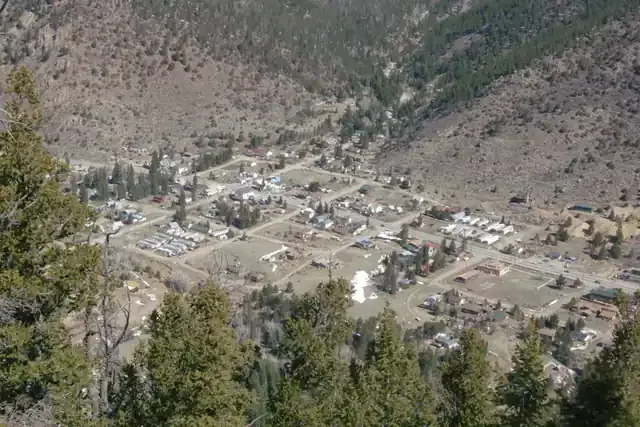
Empire is a Clear Creek County town of about 345 people on US 40 at 8,577 feet, two miles north of I-70 at the foot of the climb to Berthoud Pass. It began as a gold camp in the early 1860s, named Empire City after New York's nickname, was incorporated in 1882, and still keeps landmarks such as the Peck House on its short main street.
Answered 24/7
Including holidays and storms
Licensed local plumbers
Licensed in Colorado
Winter-ready
Frozen lines and thaw calls
Price ranges up front
Know the range before they come
Empire homes and their sewer lines
Most Empire homes are Victorian-era cottages and miners' houses from the 1860s through 1900s and mid-century cabins, with a few newer houses on the edges of town and up the side gulches.
The Town of Empire runs a small water system of about 200 taps that treats surface water from Mad Creek. Ask the town whether your house drains to its sewer or to a septic system, especially on the edges of town.
Old houses often have cast iron and clay under the floor, with newer plastic wherever someone has made a repair.
Empire drain problems
In Empire, drain calls come from altitude, old pipe and the valley's cold. At 8,600 feet, with cold air draining down from Berthoud Pass, lines in crawlspaces and shallow trenches freeze. Victorian-era cast iron and clay lines scale and crack, and mixed old and new pipe under remodeled cottages leaves ledges where clogs form.
What drain work usually costs in Empire
| Job | Typical range |
|---|---|
| Sink, tub or toilet clog in an old cottage | $125–$325 |
| Main line cleared from a cleanout | $200–$550 |
| Thawing a sewer line frozen under the house | $200–$650 |
| Camera inspection of cast iron or clay | $150–$400 |
| Hydro jetting scale out of an old line | $350–$900 |
A gold camp on the road to Berthoud Pass
Prospectors found gold in the gulches around Empire in 1860, and the camp they built took the name Empire City, borrowed from New York's "Empire State." The town was incorporated in 1882, and the stagecoach and wagon road that became US 40 ran straight through it on the way over Berthoud Pass to Middle Park. The Peck House, which dates to 1862, still stands on the hillside above the main street.
Today Empire is a quiet town of a few hundred people that most drivers see as the last stop before the switchbacks to Winter Park. Douglas Mountain rises to the north, and the West Fork of Clear Creek runs along the valley floor below town.
Victorian plumbing under modern bathrooms
Empire's houses were built long before indoor plumbing was standard, and most got their drains decades after the walls went up. Over a century, owners added a bathroom here, moved a kitchen there and replaced a few feet of failed pipe with whatever was on hand. The result, in many Empire cottages, is a drain system that changes material three or four times between the toilet and the street: cast iron under the original floor, galvanized steel in a later addition, clay outside and PVC wherever a recent repair was made.
Every one of those transitions is a place where the inside diameter changes or a joint sits slightly out of line. Paper and grease catch on the lip, and a clog that a plumber clears today tends to rebuild in the same spot. A camera inspection after the line is open shows exactly where the transitions are and which one is causing trouble.
Cast iron that has scaled for a hundred years
Cast iron drains corrode from the inside. Rust and mineral scale build up in rough ridges along the bottom of the pipe, narrowing the opening and giving waste something to cling to. In the oldest Empire homes, a four-inch iron line can be down to half its original opening. Cabling punches a hole through the buildup, but the rough walls catch debris again within months. Hydro jetting, or a descaling head on a cable machine, scours the pipe back toward its full size. If the iron is cracked through or the bottom has rusted out, a section may need replacing instead.
Cold air sliding down from the pass
At about 8,600 feet, Empire is already cold, and on still winter nights air chilled on the slopes of Berthoud Pass and the surrounding peaks drains down the valley and pools around town. Temperatures can stay well below zero into the morning. Drain lines that run through vented crawlspaces, unheated additions or shallow trenches under a driveway are the first to freeze. Old homes on stone foundations with gaps around the sill let cold air reach pipes that look protected.
Ice in a drain usually announces itself suddenly: everything was fine last night, and this morning the sink will not drain at all. Stop using water, find the cleanout, and call. A plumber can thaw the line with a steamer or warm-water jetter, then look at where it froze so you can add insulation or close off a draft before the next cold spell.
Town water and what's downstream
The Town of Empire runs its own water system, treating surface water from Mad Creek for roughly 200 taps. Homes in the core of town and those on the edges or up the side gulches can have very different wastewater setups, and older records are not always complete. If you are not sure whether your house drains to a public line or to a septic tank, the town office is the place to ask before any digging. Knowing which you have tells the plumber how far your responsibility runs and where the cleanout is likely to be.
Selling or buying an old Empire house
A historic cottage in Empire may look well kept above the floor and still have a century-old drain under it. Before you buy, a sewer camera inspection shows the materials, any sags, cracks or root intrusions and the condition of the connection where the house line leaves the foundation. If you are selling, having that video on hand answers a buyer's questions before they become a negotiation.
When an Empire drain stops
- 01
Check the weather
A drain that quit after a sub-zero night is likely frozen. One that slowed for weeks is likely scale or a clog.
- 02
Stop using water
Every flush adds to the backup if the line is closed.
- 03
Find the cleanout
Look in the cellar, crawlspace or outside near the foundation, and clear away snow.
- 04
Describe the house
Tell the plumber the house's age and any additions; it shapes the equipment they bring.
Empire warning signs
- A drain that stops cold after a frigid night
- Rust flakes on the cable after clearing
- The same fixture clogging every few months
- Musty sewer odor in a stone cellar
- Gurgling where an addition joins the old line
What changes the price in Empire
A simple clog close to the fixture is a short visit. Thawing, scaled cast iron, cramped cellars and winter driving on US 40 add time. Plumbers serving Empire usually come from Idaho Springs, Georgetown or the Evergreen side, so travel is reasonable outside storms. When you phone, describe the cottage and its additions, and ask what range to expect for an Empire visit.
Call if you notice
- A frozen sewer line in an Empire cold snap
- Repeat clogs in a Victorian cottage's cast iron
- Slow drains where a remodel joined plastic to old pipe
- Sewer smell in a stone or dirt cellar
- A drain frozen in an addition over a crawlspace
Empire drain questions
Where does Empire get its water?+
The Town of Empire treats surface water from Mad Creek for its roughly 200 taps.
Why do drains freeze in Empire?+
The town sits at about 8,600 feet below Berthoud Pass, and cold air settles in the valley on winter nights.
Can a plumber reach Empire in winter?+
Yes. US 40 is plowed, and plumbers from Idaho Springs, Georgetown and Evergreen cover Empire. Clear a path to your cleanout if you can.