Weld County · Northern Colorado
Drain Cleaning in Gill, CO
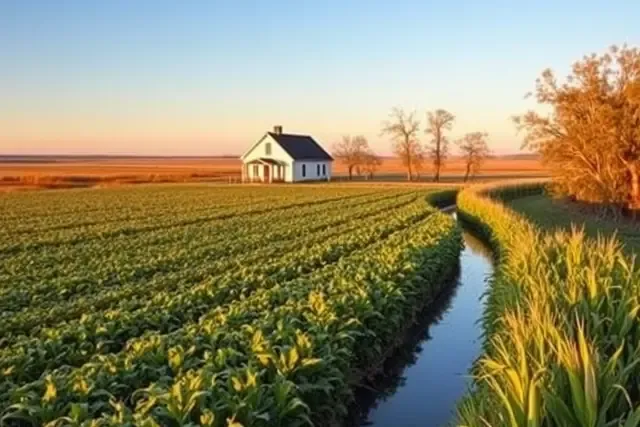
Gill is a small farming community in Weld County, about ten miles east of Greeley, at roughly 4,685 feet in the irrigated country north of Kersey. It is named for early landowner William H. Gill, has had a post office since 1910, and grew up as a stop on a Union Pacific branch line in the years when sugar beets were the area's main cash crop.
Clogged drain in Gill?
Answered 24/7
Including holidays and storms
Licensed local plumbers
Licensed in Colorado
Winter-ready
Frozen lines and thaw calls
Price ranges up front
Know the range before they come
Gill homes and their sewer lines
Gill homes are mostly farmhouses from the early and middle 1900s, farm-worker houses, manufactured homes and newer houses on acreages carved out of the surrounding fields.
There is no sewer system in Gill. Homes use their own septic systems, and water comes from a rural water line or a private well depending on the property.
Older farmhouses often have clay or cast iron drain lines running under big shade trees planted around the yard decades ago.
Gill drain problems
Gill drain trouble usually starts with roots, groundwater or old pipe. Cottonwoods, elms and windbreak trees around farmhouses send roots into clay joints on the line to the tank, irrigation season raises the water table under fields and ditches, and older cast iron drains inside the houses scale and corrode.
What drain work usually costs in Gill
| Job | Typical range |
|---|---|
| Sink, tub or toilet clog cleared | $125–$300 |
| Line to the septic tank cleared | $200–$500 |
| Root cutting under farmyard shade trees | $250–$650 |
| Camera inspection to the tank | $150–$400 |
| Jetting old cast iron inside a farmhouse | $350–$900 |
Beet country east of Greeley
Gill grew up in the early 1900s as a stop on a Union Pacific branch through the irrigated country east of Greeley, at a time when sugar beets were the crop that paid the bills across Weld County. A resident writing in 1934 described it as a village in a farming community ten miles east of Greeley, and that description still fits. The post office has run since 1910, and the community is still mostly farms, a few clusters of houses and the ditches that carry water to the fields.
Kersey sits a few miles to the south and Greeley to the west, but the houses in and around Gill are well outside any town sewer system, which is why almost every drain call here ends at a septic tank.
Farmhouses and their shade trees
Weld County farm families planted trees around their houses for shade and for windbreaks, and the cottonwoods, elms and Siberian elms in many Gill yards are now very large. Their roots spread far beyond the canopy and go straight for the moisture in a septic line. Old clay and cast iron lines with loose joints give them an easy way in. A Gill line that needs clearing every year or two, usually with fine roots on the cable when it comes out, is a root problem, and root cutting is the first step. A camera then shows where the roots enter and whether that joint can be repaired rather than cut again and again.
When the ditches run
Irrigation shapes life in Gill from spring through fall. When the ditches are full and fields are flooded or watered, groundwater rises under the farmland, and that affects drains in two ways. A drain field in damp ground can't absorb as much, so the whole house drains more slowly. And a cracked line or loose joint below the water table lets groundwater and fine silt seep in, which can leave grit in the line and slow it further. If your drains get sluggish every summer and recover after the ditches shut off, mention that pattern on the phone; it points the plumber toward the field or a leaking line rather than a simple clog.
Cast iron and galvanized inside older homes
Inside farmhouses built before the 1960s, drain pipes are often cast iron, with galvanized steel for smaller lines. After seventy or eighty years, the inside of cast iron is rough with scale and the bottom of the pipe may be thin. Kitchen lines in particular collect grease on that rough surface until they close up. Jetting cleans the walls properly, and the camera afterward shows whether the pipe is sound. Where it has rusted through, replacing a section during the same visit saves a second call.
Laundry, floor drains and older basements
Many older Gill farmhouses have basements or partial basements with a floor drain and a laundry tub. Because they are the lowest openings in the house, they are where a main line or septic backup shows up first. Laundry also sends lint, sand and soil from work clothes down the drain, and over time that settles in the line. A lint trap on the washer hose is cheap and saves a lot of trouble on a farm.
When a Gill home backs up
- 01
Stop the washer and dishwasher
Large volumes of water push a backup into the basement fastest.
- 02
Check the floor drain
Water rising there means the problem is beyond the house fixtures, in the main line or tank.
- 03
Recall the last pumping
Several years since pumping means calling the pumper first; recent pumping points to the line.
- 04
Mention the trees
Tell the plumber about big trees near the line so they bring a root cutter and camera.
Gill warning signs
- Roots on the cable after the line is cleared
- Drains slow every summer during irrigation season
- A soggy spot over the field when the ditches run
- Sewage smell at the basement floor drain
- Grit or silt found in the line or the trap
Protecting the system around a farmyard
Heavy equipment parked or turned over a septic line or field can crack pipe and compact soil. Mark the tank, line and field, and keep trucks and tractors off them. Avoid planting new trees near the line, and keep downspouts and yard drains from discharging over the field.
What affects the price in Gill
A fixture clog is quick work. Root cutting, high groundwater, old cast iron that needs jetting and long runs from the house to the tank add time. Most Gill homes are a short drive from Greeley, which helps keep travel charges down. A quick description of the groundwater and the pipe in your Gill home helps the plumber quote a realistic range.
Call if you notice
- Roots plugging the line to the septic tank under shade trees
- Drains slowing in irrigation season when the water table rises
- Laundry water backing up into a farmhouse floor drain
- A Gill drain field staying soggy after the ditches run
- Repeated clogs in old cast iron inside the house
Gill drain questions
Is there sewer service in Gill?+
No. Gill homes use private septic systems.
Why do my drains get slow in summer?+
Irrigation raises groundwater around Gill, so a drain field drains more slowly and a cracked line can take in water. A camera inspection tells you which it is.
Can roots be cut out of a septic line?+
Yes. A plumber cuts them from a cleanout with a root head, then can scope the line to find the joint they are coming through.