Teller County · Pikes Peak Region
Drain Cleaning in Divide, CO
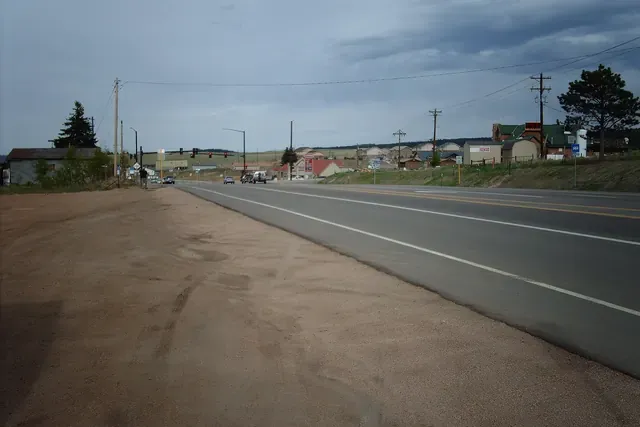
Divide sits at about 9,180 feet where US 24 meets State Highway 67, on the north slope of Pikes Peak just west of Ute Pass, the divide between the Arkansas and South Platte drainages that gave the town its name. Its post office opened in 1889, in the years when the Colorado Midland Railway ran over Ute Pass, and the small crossroads now serves subdivisions spread through the forests and meadows on all sides.
Answered 24/7
Including holidays and storms
Licensed local plumbers
Licensed in Colorado
Winter-ready
Frozen lines and thaw calls
Price ranges up front
Know the range before they come
Divide homes and their sewer lines
Divide homes range from old cabins and ranch houses near the crossroads to 1970s through 2000s houses in wooded subdivisions north and south of US 24, many on lots of several acres.
There is no sewer system in Divide. Homes rely on private septic systems and wells.
Pikes Peak granite weathers into coarse, gravelly soil with solid rock close beneath in many places.
Divide drain problems
At over 9,000 feet, Divide drain calls are dominated by frozen and slow septic lines. Granite near the surface keeps lines shallow, long winters drive frost deep, and gravelly decomposed granite can shift around a pipe until it sags. Homes used part-time freeze between visits if the heat is set too low.
What drain work usually costs in Divide
| Job | Typical range |
|---|---|
| Kitchen, bath or toilet clog cleared | $125–$325 |
| Line cleared out to the septic tank | $200–$550 |
| Thawing a septic line frozen over granite | $200–$650 |
| Camera inspection and line locating | $150–$400 |
| Hydro jetting a long or greasy line | $350–$900 |
The crossroads above Ute Pass
Divide is where US 24 coming up Ute Pass from Woodland Park meets State Highway 67 heading south to Cripple Creek and Victor. The name comes from its position on the high ground between the Arkansas River and South Platte drainages. The Colorado Midland Railway once climbed through here, and the post office has operated since 1889. Today the crossroads has a few businesses and its tongue-in-cheek motto, "Center of the Known Universe," while most residents live in subdivisions off the highways in every direction.
Those subdivisions, many platted from the 1970s through the 2000s, put homes on lots of a few acres to dozens of acres among ponderosa pine, Douglas fir and aspen, with Pikes Peak rising to the southeast.
Granite close to the surface
Divide is built on Pikes Peak granite, which weathers into coarse, pinkish gravel locals call decomposed granite, or DG, with solid rock often not far beneath. That has two effects on drains. Lines can rarely be buried as deep as a plumber would like, so they are more exposed to frost. And DG shifts as it freezes, thaws and settles, so a line laid with good slope can develop a dip over time. A camera inspection shows water standing in a low section and measures its distance from the cleanout.
Winters above 9,000 feet
At about 9,180 feet, Divide's winters are long and cold, and the coldest nights come when snow cover is thin and the air is still. Frost can work several feet into bare ground and stay there into spring on north-facing lots. Septic lines under driveways that get plowed, lines that pass close to the surface where rock forced them up and drains in additions built over open crawlspaces are the first to freeze. When a line freezes, a plumber can thaw it from the cleanout with a steamer or a warm-water jetter. Avoid pouring boiling water or chemicals down; they rarely reach the ice and can damage plastic pipe.
Second homes and long absences
Many Divide-area homes are cabins or second homes that sit empty for weeks. When the thermostat is set too low, or a power outage hits during a cold spell, traps and drain lines freeze, and the owner discovers the problem when they arrive and run water. If you are leaving for more than a few days in winter, keep the heat at a safe setting and consider a remote temperature alarm. For a home that will be unheated, have the system winterized and put RV antifreeze in every trap.
Septic and well on the same lot
Homes around Divide rely on private wells and septic systems, and on smaller lots the two are not far apart. A broken line or failing system near the well is worth fixing quickly. If your drains back up and you notice cloudiness or odor in your water, say so when you call, and have the well tested after the repair.
When a Divide home stops draining
- 01
Decide if it's ice
A sudden stop after a cold night, with no prior slowing, usually means a frozen line.
- 02
Stop running water
More water won't push through ice and only adds to the backup.
- 03
Dig out the cleanout
Clear snow from the cleanout and from the path the plumber will use.
- 04
Describe access
Mention steep or unplowed driveways and whether a truck can reach the house.
Divide warning signs
- No flow at all after a sub-zero night
- Gurgling as water sits in a sagging line
- Slow drains after the house sat empty
- Wet ground over the field during snowmelt
- Sewer odor near the tank
Planning around snow and distance
Plumbers serving Divide usually come from Woodland Park or the Springs. After a big storm, roads in the subdivisions may be slow to clear. Combining clearing, thawing and a camera inspection in one visit gets the most out of the trip.
Grease in long, cold lines
Kitchen grease is a bigger problem in Divide than in a city house, because the line from the kitchen often runs a long way through cold ground before it reaches the tank. Grease that leaves the sink warm and liquid cools quickly in pipe buried close to the granite, hardens on the walls and narrows the line a little more with every meal. In winter, that buildup also gives ice a head start. Wipe pans with a paper towel before washing them, keep cooking fat in a can and avoid pouring hot grease down with a kettle of water, which only moves it further down the line. If the kitchen sink in a Divide home slows every winter, ask about hydro jetting, which scours the grease out of a long run instead of punching a hole through it.
What changes the price in Divide
Fixture clogs are quick. Thawing, rocky ground, long lines to the tank, snowy access and travel time add to the cost. A Divide caller who mentions the snow and the distance up front gets a more accurate range.
Call if you notice
- A septic line frozen solid after a long Divide cold spell
- Drains backing up in a house left empty over the holidays
- Gurgling as a sagging line holds water
- Slow drains throughout the house
- Sewage smell near the tank or field
Divide drain questions
Do Divide homes use septic?+
Yes. Homes in and around Divide use private septic systems and wells.
How cold does it get for drains at Divide?+
At about 9,180 feet winters are long, and frost can stay in the ground into late spring, especially on shaded north slopes.
My Divide cabin sat empty and now nothing drains. What now?+
Assume a frozen line. Leave the water off, raise the heat and call a plumber to thaw it from a cleanout before running anything.