Otero County · Southern Colorado
Drain Cleaning in Fowler, CO
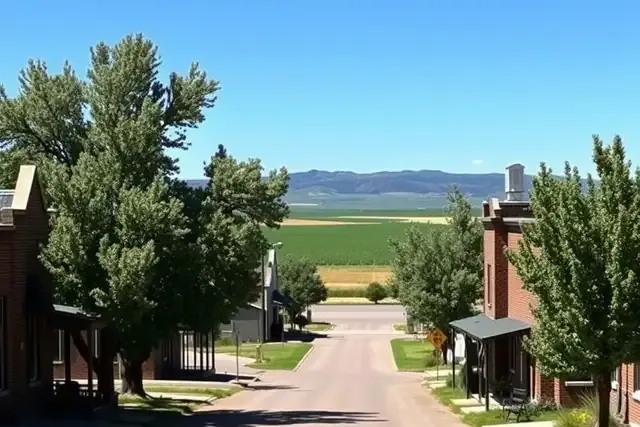
Fowler is a farm town of about 1,250 people in western Otero County, on US 50 and the Santa Fe rail line along the Arkansas River, upstream from Manzanola and Rocky Ford. It started as a railroad stop called Oxford, took the name Fowler in 1890 and was platted by promoter Orson Squire Fowler, who pictured a colony of fruit growers on the irrigated bottomland.
Clogged drain in Fowler?
Answered 24/7
Including holidays and storms
Licensed local plumbers
Licensed in Colorado
Winter-ready
Frozen lines and thaw calls
Price ranges up front
Know the range before they come
Fowler homes and their sewer lines
Fowler's housing is mostly older: early 1900s brick and frame homes near Main Street, and mid-century ranches on the outer blocks.
The town runs its own water system, fed by spring sources, and its own wastewater treatment plant, so homes in town drain to town sewer mains.
Farmhouses outside town on the irrigated ground rely on wells and septic systems.
Fowler drain problems
Most Fowler drain calls trace back to the trees and the water table. The old elms and cottonwoods that shade the town grow fast on irrigated ground and work their roots into clay laterals, while seepage from ditches and fields raises groundwater in summer and keeps the soil around older lines wet.
What drain work usually costs in Fowler
| Job | Typical range |
|---|---|
| Sink, tub or toilet clog cleared | $125–$300 |
| Main line to the town sewer cleared | $200–$500 |
| Root cutting in a clay lateral | $250–$600 |
| Sewer camera inspection | $150–$400 |
| Line to a farm septic tank cleared | $200–$550 |
Oxford, then Fowler
The Santa Fe Railway stop here was first called Oxford, reportedly after an ox was killed on the tracks, and the post office opened under that name in 1882. Orson Squire Fowler, a well-known phrenologist and promoter of octagon houses, bought land, formed the Fowler Ditch Company, platted the town and pictured fruit orchards on the bottomland. He died a few years later, but the town took his name in 1890. Today Fowler is a farm town of about 1,250 people, west of Rocky Ford and its melon fields.
Town water from springs, town sewer
Fowler runs its own water system, fed from spring sources, and its own wastewater treatment plant. Homes in town drain to town mains, and owners are responsible for the service line from the house to the main. When a Fowler house backs up, the problem is most often in that service line. A plumber can clear it from a cleanout and, if the clog is right at the main, note it so the town can check its side.
Shade trees on irrigated ground
The elms and cottonwoods that line Fowler's streets have grown huge on irrigated ground with ditch water nearby. Their roots spread wide and grow quickly in summer heat, finding any gap in an old clay lateral. Root cutting clears the pipe, and many owners schedule it every year or two, usually in spring, before summer growth.
Irrigation season and groundwater
When the ditches and fields are running, groundwater around Fowler rises. Older laterals with open joints can let that water in, along with fine silt. Drains that slow down in summer and recover in late fall are a sign of groundwater getting in. A camera inspection shows where it is entering, and lining or replacing the bad joints stops it.
Basements and floor drains
Many older Fowler homes have basements, often with a laundry and a floor drain. The basement is the lowest point, so it shows main line trouble first. Water at the floor drain when the washer runs points to a main line clog, not a problem with the washer.
If your Fowler home backs up
- 01
Stop water use
Laundry and dishes add to the backup.
- 02
Check the basement drain
Water there means the main line is involved.
- 03
Find the cleanout
Often in the basement or by the back of the house.
- 04
Mention big trees
Roots are likely if large trees grow near the line.
Fowler drain warning signs
- Water at the basement floor drain
- Gurgling toilets after laundry
- Drains that slow every summer
- Sewer smell in the yard
- A soggy spot over the lateral
Farmhouses around Fowler
Farm homes outside town rely on septic. In irrigation season, high groundwater can slow a drain field. If a farmhouse backs up, check when the tank was pumped; if it is current, a plumber can clear and scope the line.
What affects the cost in Fowler
Simple clogs are quick. Root-packed clay laterals, scaled cast iron and farm septic lines take more time. A camera inspection on the first main line call helps decide whether root cutting is enough or a repair is needed.
Melons, onions and summer water
The Arkansas Valley around Fowler and Rocky Ford is known for melons and onions, grown on ground watered by ditches that carry river water across the valley all summer. That water keeps the soil around town damp for months, which is great for trees and gardens and hard on old sewer joints. Summer is when Fowler's root and groundwater problems peak, so spring is the best time for preventive root cutting.
Older homes near Main Street
Brick and frame houses near Fowler's Main Street date from the town's busiest decades in the early 1900s. Under them, drains are often original cast iron with scale buildup, tied to clay laterals in the back yard. Several slow drains at once usually means the main line, while one slow fixture usually means scale or a clog in its branch. Telling the plumber which fixtures are affected helps them start in the right place.
Kitchen grease and old iron
Rough, scaled cast iron in an old Fowler kitchen catches grease far faster than smooth modern pipe. Wiping pans before washing and keeping grease out of the sink go a long way. If the kitchen line clogs every few months, jetting removes the buildup better than a cable.
The Fowler Ditch and the town's plan
Orson Fowler organized the Fowler Ditch Company to carry Arkansas River water to the land he platted, and irrigation ditches still run close to town. Lots near the ditches have the dampest soil and the biggest trees. If your Fowler home sits near a ditch, expect roots to be the main cause of lateral clogs, and plan root cutting accordingly. A camera inspection after the cutting shows which joints are letting them in, which is the information you need if you ever decide to line or replace the lateral.
Call if you notice
- Roots from big elms and cottonwoods in an old clay lateral
- Basement floor drain seeping during irrigation season
- Toilets gurgling when the washer drains
- Hot-weather backups from root growth in July and August
- Slow drains in a farmhouse on septic
Fowler drain questions
Who handles sewer service in Fowler?+
The Town of Fowler runs the sewer mains and its own wastewater treatment plant. The line from your house to the main is the owner's.
Why do Fowler laterals get roots so often?+
Big shade trees on irrigated ground have plenty of water and grow aggressive roots that find any leaking joint.
Does irrigation season affect drains?+
It can. Groundwater rises when ditches and fields are running, and older lines with open joints may let water in.