Eagle County · Foothills & Mountains
Drain Cleaning in Vail, CO
Vail stretches along Gore Creek and I-70 at about 8,150 feet, a resort town built from scratch starting in 1962. Most of its housing is condos, townhomes and lodges, and its drain calls follow the ski season, shared building lines and deep mountain cold.
Answered 24/7
Including holidays and storms
Licensed local plumbers
Licensed in Colorado
Winter-ready
Frozen lines and thaw calls
Price ranges up front
Know the range before they come
Vail homes and their sewer lines
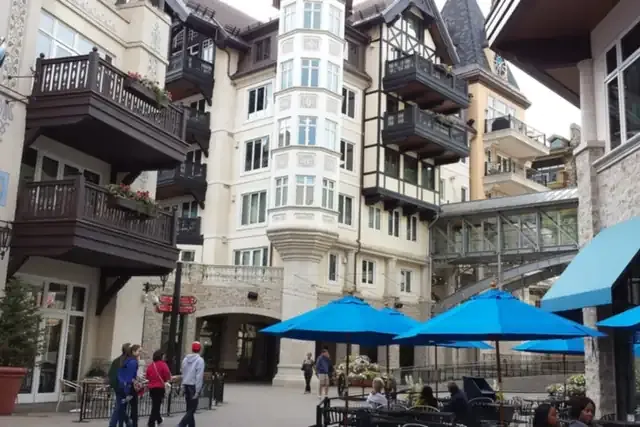
Vail Village and Lionshead are packed with lodges and condo buildings, many from the 1960s and 1970s with cast iron stacks and shared building drains, plus newer buildings from later redevelopment.
East Vail, West Vail, Intermountain and the neighborhoods along the frontage roads have duplexes, townhomes and single-family homes, from early A-frames to large newer houses.
The Eagle River Water and Sanitation District runs the public sewer and treatment for Vail. Lines inside a condo building are usually the HOA's to maintain.
Vail drain problems
Shared building drains in condos clog with grease and wipes, especially during holiday weeks when every unit is full. Old cast iron stacks scale up and crack. Drains in garages, mechanical rooms and exterior walls freeze in deep cold. Homes and units that sit empty between visits have dry traps and hardened buildup.
What drain work usually costs in Vail
| Job | Typical range |
|---|---|
| Kitchen, bath or laundry clog in a unit | $125–$325 |
| Shared building drain cleared | $200–$600 |
| Sewer camera inspection | $150–$400 |
| Hydro jetting a greasy building line | $350–$900 |
| Thawing a frozen drain line | $200–$600 |
A town built in a decade
Vail opened as a ski area in 1962, and much of Vail Village and Lionshead was built in the following fifteen years. That means a large share of the town's buildings share a plumbing era: cast iron drain stacks and building drains, installed sixty years ago or so. Cast iron lasts a long time, but it scales up inside, narrowing the pipe, and it eventually cracks along the bottom where water runs. Many buildings have been renovated or rebuilt since, but the original pipe is still in service in plenty of them.
Shared building drains
In a condo or lodge, each unit's drains feed into vertical stacks, and the stacks join a building drain that leaves for the sewer main. When that building drain clogs, water from every unit above has nowhere to go, and it comes up in the lowest fixtures, usually on the ground floor or a lower level. Owners in those units see the backup even when they didn't cause it. Most HOAs maintain shared lines, and many have them jetted or scoped on a schedule to avoid emergencies.
Holiday weeks and full occupancy
Christmas week, Presidents Day and spring break fill every unit in Vail at once. That's when shared lines get their heaviest use: more showers, more cooking grease, more wipes. A building drain that handled light use in November can clog in late December. HOAs and property managers who have lines cleaned in the fall, and remind guests not to flush wipes or pour grease, have fewer midwinter calls.
Gore Creek and the valley floor
Vail follows Gore Creek for miles, and the town is long and narrow. Many buildings sit near the creek, where the ground stays damp and willows and spruce grow thick. Roots are less of a problem in Vail than in old Front Range neighborhoods, because so many lines are under pavement or buildings, but older single-family homes and duplexes in East Vail and West Vail can have root intrusion in their service lines.
Cold at 8,150 feet
Vail's winters are long and cold, with many nights below zero. Inside heated buildings, drains rarely freeze. The trouble spots are garages, mechanical rooms, exterior walls, crawlspaces and lines that pass near a cold foundation. When heat fails in an empty unit or a garage door is left open on a cold night, those lines can freeze quickly. Remote temperature alerts and regular checks during cold snaps are worth the small cost.
If a Vail condo unit backs up
- 01
Stop water use in your unit
And ask neighbors above to hold off if you can.
- 02
Call the HOA or manager
They may need to address a shared line.
- 03
Call a plumber
Clearing the line is the urgent part; responsibility can be sorted later.
- 04
Document the damage
Photos help with HOA and insurance conversations.
Vail drain warning signs
- Water at the lowest unit's shower or tub
- Gurgling when units above drain
- Sewer smell in a garage or stairwell
- Slow drains after a holiday week
- Drains that stop on cold mornings
Single-family homes and duplexes
Outside the village, Vail has duplexes and homes from the 1960s to the present, many on hillsides with walk-out levels. Their service lines run downhill to mains along the frontage roads or neighborhood streets. In older homes, the line may be cast iron or clay; in newer ones, plastic. Walk-out bathrooms back up first when the main line clogs.
Making a Vail drain call go smoothly
Tell the plumber the building name, unit number, whether it's a condo or house, and how to get in. Many buildings have codes, key boxes or front desks. Mention which units are affected and whether the HOA knows. In winter, note any parking limits, since street parking is tight in the village.
Restaurant grease in the village
Vail Village and Lionshead have many restaurants on the ground floors of buildings with condos above. Restaurants use grease interceptors, but grease still finds its way into building lines, and residential stacks may tie into the same building drain. When a mixed-use building has repeated backups, jetting the shared line, not just cabling it, removes the grease coating that keeps catching debris.
Snowmelt, heated driveways and drains
Many Vail homes and buildings have heated driveways and walkways, with area drains and trench drains that carry melt water away. Those drains can freeze, clog with sand from road traction material, or back up if their outlet is blocked. While storm drains are separate from sewer lines in most cases, a clogged area drain near a garage can send water into the building. Keeping trench grates clear of sand and ice helps.
East Vail and the avalanche paths
East Vail, at the upper end of town near the base of Vail Pass, has homes and duplexes on wooded lots, some below steep slopes. It's colder and snowier than the village, and homes sit farther from the main road. Service lines there can be long and run under deep snow for months. Marking the cleanout and keeping the path clear lets a plumber get to work quickly in winter.
Call if you notice
- The lowest condo unit backing up first
- Scaled cast iron in a 1970s building
- Frozen drains in a garage or mechanical room
- Slow drains after a unit sat empty
- Grease in a shared kitchen stack
Vail drain questions
Who maintains the sewer in Vail?+
Eagle River Water and Sanitation District runs the public mains. Inside condo buildings, the HOA usually maintains shared lines.
Why does the lowest unit back up first?+
It's closest to the building drain, so water from a clog downstream comes up there before anywhere else.
Do drains freeze in Vail?+
They can, especially in garages, exterior walls and empty units when heat fails.