Arapahoe County · Denver Metro
Drain Cleaning in Littleton, CO
Littleton's older neighborhoods have the two things that keep drain plumbers busy: mid-century sewer laterals and decades-old trees. Newer areas to the south and west have different, simpler problems.
Clogged drain in Littleton?
Answered 24/7
Including holidays and storms
Licensed local plumbers
Licensed in Colorado
Winter-ready
Frozen lines and thaw calls
Price ranges up front
Know the range before they come
Littleton homes and their sewer lines
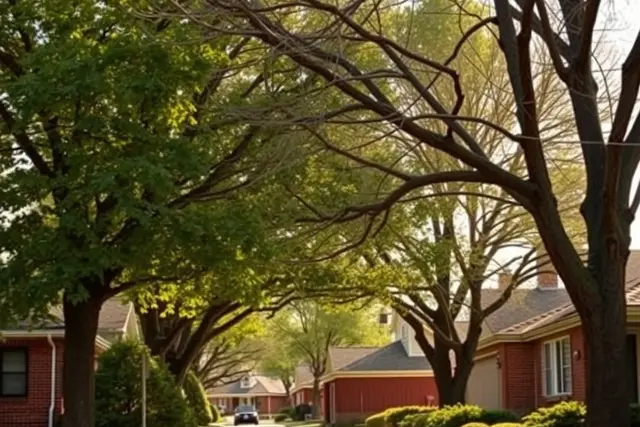
Downtown Littleton and the streets around Main Street have homes from the early 1900s. Much of the city's housing went up in the 1950s through 1970s: brick ranches and split-levels with basements, many under large trees planted when the neighborhoods were new. Areas toward Ken Caryl and the southwest, and the Highlands Ranch edge, are mostly newer with PVC lines.
Littleton's mailing addresses cover more ground than the city itself, including unincorporated areas served by different sanitation districts. Your district's name is on your sewer bill.
Littleton drain problems
Mature trees in the 1950s to 1970s neighborhoods mean roots in clay joints, the most common reason a Littleton main line keeps backing up. Root cutting in Littleton followed by a camera look shows whether it's one joint or a failing lateral.
Brick ranches often have basement laundry and a floor drain near the sewer outlet, so that's where backups appear. Kitchen grease and wipes round out the calls.
Littleton by neighborhood
| Area | Typical homes | Common drain issue |
|---|---|---|
| Downtown Littleton | Early 1900s homes | Old clay laterals, big trees |
| Columbine Valley edges, central Littleton | 1950s–1970s brick ranches | Roots in clay joints |
| Southwest toward Ken Caryl | 1970s–1990s | Mixed materials, sloped lots |
| Highlands Ranch edge, newer areas | 1990s onward | PVC; use-related clogs |
Many districts, one address
The Littleton mailing address covers a lot more than the city itself, including unincorporated neighborhoods served by different water and sanitation districts. That matters when you're trying to figure out who to call about the public main or about rates. Your sewer bill names the district. For anything on your own lot, including the lateral to the main, a private plumber is the right call.
A typical Littleton call
- 01
The symptom
Slow drains throughout a 1960s brick ranch, then the basement floor drain backs up.
- 02
Access
Cleanout in the basement near the front wall.
- 03
The cause
Roots at a clay joint under a large maple.
- 04
The plan
Roots cut and jetted; camera shows two more joints starting to root; cutting scheduled annually.
Living with mature trees
Littleton's older neighborhoods are known for their shade, and many homeowners would rather manage roots than remove trees. A yearly or every-other-year cutting, timed before the season the line usually backs up, keeps most lines flowing. When the same joints keep failing, lining those sections ends the cycle without losing the tree.
Before you call
- Check your sewer bill to see which district serves you.
- Note the timing of past backups.
- Find the basement cleanout.
- Stop using water if the floor drain is rising.
Downtown Littleton's older homes
The homes around Main Street and the historic downtown date back to the early 1900s, with clay laterals that may have been patched several times. Some lots have detached garages or additions with their own drains tied into the main lateral. A camera inspection maps these connections and shows where trouble starts, which is especially helpful when only part of the house drains poorly.
Brick ranches of the 1950s and 1960s
Littleton's signature brick ranches typically have a full basement with laundry and a floor drain near the front wall, close to where the sewer exits. The trees planted in front yards when these homes were new are now large, and their roots often sit right above the lateral. That combination is why so many Littleton backups start at the basement floor drain in spring.
A realistic plan for these homes is annual or biannual root cutting, a camera inspection to track how many joints are affected, and lining when maintenance costs start to approach a permanent fix.
Newer Littleton-area homes
Homes toward Ken Caryl and the Highlands Ranch edge are generally newer, with PVC lines. Clogs there are usually use-related, and a single clearing often solves them for good.
More Littleton drain questions
- 01
Can I find out which sanitation district serves my home?
Your sewer bill names it, or your county's property records can tell you.
- 02
Is root cutting covered by insurance?
Generally not; insurers treat it as maintenance.
- 03
Will lining work under my big front-yard tree?
Often yes, if the camera shows the pipe hasn't collapsed.
- 04
How long does root cutting last?
Usually one to two years before roots grow back.
Spring timing
Littleton backups cluster in spring when roots start growing. Booking root cutting in late winter, before the season starts, often prevents the backup altogether.
Buying in Littleton
If you're buying a 1950s or 1960s Littleton home, order a sewer scope during the inspection period. Ask the inspector to note distances for any roots or defects and to say whether the line is clay, Orangeburg or replaced PVC. With that report and a repair estimate in hand, you can ask the seller for a repair or credit, or at least know what to budget for after closing. Many sellers in these neighborhoods expect the request.
For newer homes toward Ken Caryl and Highlands Ranch, a scope is less critical but still useful if the line has a history of clogs or there are large trees near its path.
Keeping costs down
The most effective way to keep Littleton drain costs down is to stay ahead of roots. A cutting scheduled in late winter costs the same as one done in an emergency, but it's done on your schedule, at daytime rates and without cleanup. Keep the camera video from each visit; comparing them over time shows whether the roots are getting worse and when lining starts to make financial sense.
Keeping the basement cleanout accessible, rather than boxed in behind storage or drywall, also trims time from every visit.
What to tell the plumber
Mention whether the home is a 1950s or 1960s brick ranch, where the basement cleanout is, whether there are large trees in front and whether backups have happened in past springs. With that information, the plumber can bring a root cutter and camera on the first visit and give you a clear picture of the line.
Call if you notice
- A basement floor drain rising during laundry
- Yearly main line backups under big trees
- Slow drains throughout a brick ranch
- Sewer smell from a dry basement drain
- Roots on the drain cable
Littleton drain questions
Who handles the sewer main in Littleton?+
It depends on the address; several sanitation districts serve the area. Your bill shows yours. The service line on your property is generally yours.
Why do older Littleton homes get sewer roots?+
Neighborhoods from the 1950s to 1970s often combine clay laterals with large, mature trees.
Is it worth scoping after a root clearing?+
Yes. It shows whether you have one problem joint or a pipe that needs repair.