San Miguel County · Western Slope
Drain Cleaning in Telluride, CO
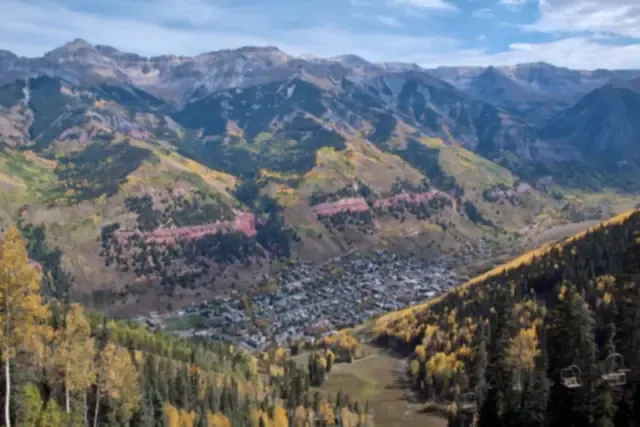
Telluride is the seat of San Miguel County, a town of about 2,600 people at roughly 8,750 feet in a box canyon on the San Miguel River, with Bridal Veil Falls at the head of the valley. It was founded in 1878 as Columbia, incorporated under that name on February 10, 1887, and became Telluride a few months later.
Answered 24/7
Including holidays and storms
Licensed local plumbers
Licensed in Colorado
Winter-ready
Frozen lines and thaw calls
Price ranges up front
Know the range before they come
Telluride homes and their sewer lines
Telluride's core is a National Historic Landmark district of Victorian houses and miners' cottages from the 1880s to 1910s, many rebuilt or enlarged since the ski area opened. Condos, townhomes and newer houses fill the east and west ends of town, and Mountain Village sits on the ridge above.
The Town of Telluride runs water and sewer. Water comes from Mill Creek and the Bridal Veil Basin, treated at the Mill Creek and Pandora plants. Sewage goes to the Telluride Regional Wastewater Treatment Plant at Society Turn, which the town co-owns with Mountain Village and which is close to its capacity.
Old Telluride houses can still have cast iron and clay under additions and remodels, joined to newer PVC wherever the house was expanded. Those transitions are a common place for a Telluride line to catch.
Telluride drain problems
In Telluride, drains are tested by deep cold, heavy seasonal use and old pipe hidden under expensive remodels. Houses that sit empty between visits can freeze, rentals see far more showers and laundry than a family would, and festival weekends put a whole town's worth of extra load on short laterals.
Telluride drain cleaning cost ranges
| Job | Typical range |
|---|---|
| Sink, shower or toilet clog in a Telluride home or condo | $125–$300 |
| Telluride main line cleared to the town sewer | $200–$550 |
| Thawing a frozen Telluride drain | $200–$600 |
| Camera inspection of a Telluride lateral | $150–$400 |
| Hydro jetting old Telluride cast iron | $350–$900 |
| Root cutting behind an older Telluride house | $250–$650 |
From Columbia to Telluride
Prospectors filed the first gold claim in the mountains above the San Miguel valley in 1875, and a camp called Columbia took shape at the bottom of the canyon in 1878. It incorporated on February 10, 1887, but there was already a Columbia in California, so the post office insisted on a new name and the town became Telluride that year. The Rio Grande Southern reached town in 1891, the mines produced gold, silver, lead and zinc for decades, and labor fights around 1900 drew in the state militia.
The big mines closed in the 1970s, the ski area opened in 1972, and Telluride became one of the best-known resort towns in the country. Its historic core is one of Colorado's National Historic Landmarks, and the town sits at about 8,750 feet in a box canyon closed by Bridal Veil Falls and Ingram Falls.
Living in a box canyon
Telluride's canyon shapes everything about its plumbing. The town is narrow and long, squeezed between steep slopes, so lots are small, laterals are short and a lot of plumbing is crowded into old buildings. The San Miguel River runs along the south side of town, and snowmelt from the high basins feeds springs and groundwater all through spring. The canyon floor stays shaded for much of the winter, which keeps the ground cold and frost deep.
Where Telluride's water comes from
Telluride's drinking water comes from Mill Creek and from Blue Lake and the Bridal Veil Basin high above town. The Mill Creek plant treats creek water with settling and membrane filtration, and the newer Pandora plant, at the east end of the valley, filters water piped down from Bridal Veil, using the drop of nearly a thousand feet to generate power. A third source, a groundwater supply, helps in summer. Mountain snowmelt is soft compared with plains well water, so mineral scale in drains is less of a problem in Telluride than grease, hair and freezing.
The sewer plant at Society Turn
Wastewater from Telluride flows west down the valley to the Telluride Regional Wastewater Treatment Plant at Society Turn, which the Town of Telluride operates and co-owns with Mountain Village. The plant can treat about 2.1 million gallons a day, but it is close to its limit and has little room to expand on its site. In 2025 the town said upgrading it in place would cost more than $133 million and only add a little capacity, and the two towns have been planning a new plant on land near the county shops along Highway 145.
For a homeowner, that is a long-term town project. What matters day to day is the line from your building to the town main, which is yours, and in a condo or townhome complex the shared lines that the association maintains.
Victorians with new insides
Many of Telluride's Victorian houses and miners' cottages have been remodeled several times, often at great expense, but the drain lines under them were not always replaced. It's common to find original cast iron or clay at the bottom of the system, connected to new PVC above, with fittings in odd places to make it all fit. Those transitions catch debris. Before buying an older Telluride house, a camera inspection of the whole run from the house to the main is a good idea.
Rentals and festival weekends
Telluride lives on visitors. Short-term rentals, lodges and second homes fill up for ski season and for summer festivals, when the town's population can be several times its year-round size. A house or condo that hosts guests every week sees far more showers, laundry and dishwashing than a family home, and guests don't always know what not to flush. Hair in shower drains, wipes in toilets and grease from big dinners are the usual result. A strainer in every shower, a note about wipes and a cleaning of rental drains between seasons help prevent emergency calls during a full week.
Thirty-six below and empty houses
Telluride's record low is 36 below zero, and winter nights below zero are routine. The town also has a lot of homes that sit empty between visits. That combination causes frozen drains: a furnace fails or the thermostat is set too low in an unheated corner, and a trap or drain line on an outside wall freezes and cracks. Keep heat at a safe level, have someone check the house after a cold snap and know where your main water shutoff is. A plumber can thaw a frozen drain with steam or a heated jetter.
If a Telluride drain backs up
- 01
Stop the water
Ask guests to stop using water in a Telluride rental with a backed-up drain.
- 02
Shared or private line?
In a Telluride condo, call the association; a shared line may be the cause.
- 03
Check for freezing
If it is well below zero and the drain went slow overnight, it may be frozen, not clogged.
- 04
Find the cleanout
Look near the foundation, in a crawlspace or in a utility room.
Telluride warning signs
- A Telluride shower drain that slows during every busy week
- Gurgling in a Telluride condo when the unit above drains
- Frost or ice on a drain pipe in a crawlspace
- A sewer smell in a house that sat empty for weeks
- A Telluride main that clogs again soon after clearing
Call if you notice
- A frozen drain in a Telluride house left at a low thermostat between visits
- Hair and soap in a rental shower line after a busy ski week
- An old cast iron stack meeting new PVC under a remodeled Victorian
- Kitchen grease from holiday cooking in a condo line on Colorado Avenue
- Spruce and aspen roots in the lateral behind an older east-end cottage
Telluride drain questions
Who is responsible for a sewer clog in Telluride?+
The Town of Telluride maintains the public sewer mains. The service line from your building to the main is the owner's, so a clog there is a call for a plumber; in a condo, the association often handles shared lines.
Why do Telluride drains freeze?+
Telluride's record low is 36 below zero, and many homes sit empty for weeks. Drains on outside walls, in crawlspaces and in unheated garages freeze when heat is set too low or a furnace quits.
Is Telluride's sewer plant being replaced?+
Telluride and Mountain Village have been planning a new regional plant because the one at Society Turn is near capacity. That is work on the town's side; the line from your house to the main stays your responsibility.