Otero County · Southern Colorado
Drain Cleaning in Swink, CO
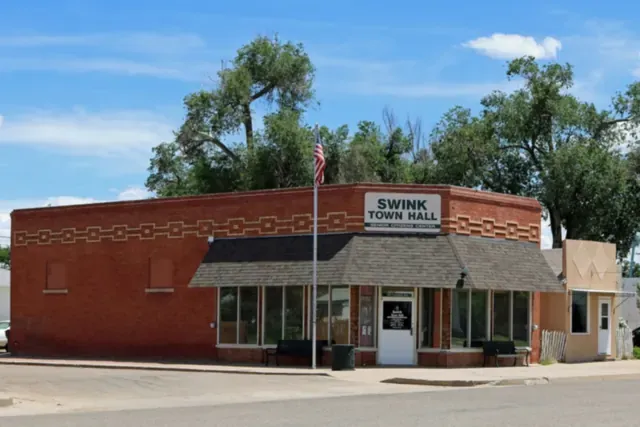
Swink is a statutory town of about 604 people in Otero County, on US 50 in the Arkansas Valley between Rocky Ford and La Junta. It incorporated on June 6, 1906, the same year its post office opened, and was named for George W. Swink, the Rocky Ford irrigation pioneer and state senator known for the valley's cantaloupes.
Answered 24/7
Including holidays and storms
Licensed local plumbers
Licensed in Colorado
Winter-ready
Frozen lines and thaw calls
Price ranges up front
Know the range before they come
Swink homes and their sewer lines
Swink homes include early 1900s frame and brick houses near the town hall, ranch houses from the 1950s through the 1970s, when the town grew quickly, and manufactured homes and farmhouses around the edges.
Ask the Town of Swink whether your address is on its sewer. Farms in the surrounding irrigated land use septic systems.
Many older Swink houses still have cast iron and clay drains, while homes from the 1970s growth spurt may have early plastic.
Swink drain problems
Swink drain calls follow the irrigation calendar. Canals and flooded fields raise the water table every summer, big cottonwoods and elms find clay joints, and the valley's alkaline soil and hard water are tough on older cast iron.
What drain work usually costs in Swink
| Job | Typical range |
|---|---|
| Kitchen, bath or toilet clog cleared | $125–$300 |
| Service line cleared to the main | $200–$550 |
| Root cutting in an older clay line | $250–$600 |
| Camera inspection | $150–$400 |
| Descaling old cast iron | $350–$900 |
A town named at a late meeting
Swink grew up on the Santa Fe line in the irrigated heart of the lower Arkansas Valley. When residents met to choose a name for their new town, the story goes, George W. Swink arrived late, and the idea of naming the place for him carried the day. Swink was already well known as the first mayor of nearby Rocky Ford, a state senator and the promoter who made the valley's melons famous. The town and its post office both date from 1906, and the town incorporated on June 6 of that year.
Swink stayed a small farm town for decades, with about 381 people in 1970. It then grew quickly, reaching an estimated 627 by 1976, and had 604 people at the 2020 census. US 50 runs through town, with Rocky Ford about five miles west and La Junta about six miles east.
Town water and two deep wells
In the 1970s, a state water board study described Swink's water system as a dual setup, with softer water from two deep wells, partly treated to remove iron, piped to homes for drinking. Systems change over time, so ask the town about its current water and sewer arrangements for your address. What hasn't changed is the valley's naturally hard, mineral-heavy water, which leaves scale inside older cast iron and on fixtures, slowly narrowing drains that have been in place for decades.
Irrigation season and the water table
The farmland around Swink is watered by a network of canals and ditches drawn from the Arkansas River, and in summer the fields are flooded on a schedule. All that water raises the water table under town. Groundwater seeps into cracked clay lines and adds to the flow, and on farms with septic systems, saturated soil slows the leach field. If your Swink drains slow every summer and recover in fall, the water table is a likely cause, along with roots.
Old trees and older pipe
Swink's streets are lined with big cottonwoods, elms and other shade trees, many as old as the houses beside them. Older homes near the town hall at Third and Columbia often have cast iron inside and clay pipe out to the main. Roots find the joints in clay, where they grow into a mat that catches paper and grease. Root cutting clears the line, but in an old Swink line they return unless the joints are repaired.
Alkaline soil and cast iron
The lower Arkansas Valley is known for alkaline, salty soils. Over decades, those soils can corrode buried cast iron from the outside, while hard water scales it from the inside. A cast iron line that is thin on the outside and narrow on the inside clogs easily and can eventually break. A camera inspection shows how much life an old line has left.
When a Swink drain backs up
- 01
Stop using water
Pause the washer and dishwasher until the line is clear.
- 02
Check the lowest drain
A floor drain in an older brick house usually overflows first.
- 03
Find the cleanout
Look along the foundation or in the yard between the house and the street.
- 04
Call the town if neighbors back up too
It may be a problem in a main, not your line.
Swink warning signs
- Root hairs on the cable from a Swink clay line
- Drains slowing when the canals run
- Scale in sink and tub drains
- Water at a basement floor drain
- A soggy leach field on a farm outside town
Farmhouses outside town
Farms in the irrigated land around Swink use private septic systems, often with long lines from the house to a tank set back in the yard. In summer, when the fields around them are flooded, those systems struggle. Have the tank pumped on schedule, spread laundry across the week during irrigation season and keep trees well away from the leach field.
Melon country and canning-season kitchens
The fields around Swink and Rocky Ford still grow the cantaloupes and other produce the valley is known for, and late summer in a Swink kitchen often means canning, pickling and cooking for a crowd. Peels, seeds, corn husks and cooking grease are hard on old drains and garbage disposals. Compost or bag the scraps, wipe greasy pots before washing and run plenty of hot water after big batches. If the kitchen sink slows in August every year, the cause is usually buildup in the branch line under the kitchen floor, which a cable or jetting can clear before it becomes a full backup.
What changes the price in Swink
A fixture clog is quick. Old clay and cast iron, roots and summer groundwater add time. Swink is between La Junta and Rocky Ford, so travel is short. Describe the house's age and what you've noticed, and ask what a Swink visit should run.
Call if you notice
- Roots in an older Swink clay service line
- Drains slowing when the canals run in summer
- Scale narrowing old cast iron under the kitchen
- A floor drain backing up in an older brick house
- A soggy leach field on a farm outside town
Swink drain questions
Who handles sewer in Swink?+
Ask the Town of Swink whether your property is on its sewer. Farms outside town use private septic systems.
Why do my Swink drains get worse in summer?+
Irrigation raises the water table, which slows septic fields and lets groundwater into cracked lines, and roots grow fastest then.
Where do plumbers serving Swink come from?+
Most come from La Junta, about six miles east, or Rocky Ford, about five miles west.