El Paso County · Pikes Peak Region
Drain Cleaning in Colorado Springs, CO
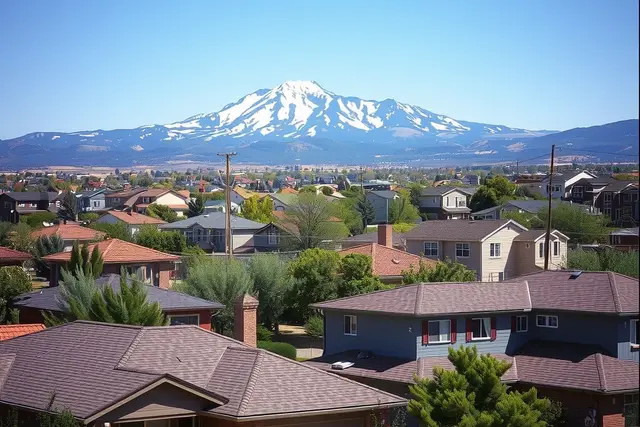
Colorado Springs stretches from century-old houses near downtown to subdivisions that were open prairie a few years ago, with hillside neighborhoods to the west where sewer lines run steep. Drain problems vary just as much.
Clogged drain in Colorado Springs?
Answered 24/7
Including holidays and storms
Licensed local plumbers
Licensed in Colorado
Winter-ready
Frozen lines and thaw calls
Price ranges up front
Know the range before they come
Colorado Springs homes and their sewer lines
The Old North End, Patty Jewett and the Westside around Old Colorado City have homes from the late 1800s through the 1930s, many with original clay sewer laterals and large mature trees. Post-war neighborhoods spread out through the 1950s to 1970s, and the city's huge growth since then has pushed east and north with newer PVC-plumbed homes around Powers, Briargate and beyond.
Colorado Springs Utilities runs water and wastewater for most of the city; the homeowner is generally responsible for the service line on their property.
What clogs drains in the Springs
Older central and west-side homes see root intrusion and cracked clay joints. Hillside lots on the west side can have long, steep laterals where debris settles at the bottom of a slope. Newer east-side homes get more kitchen grease and wipe clogs. Winters are long enough here that drains in garages, additions and crawlspaces can freeze during deep cold.
If a main line backs up more than once, a hydro jetting clean after a camera check often stops repeat clogs.
Drain cleaning prices in Colorado Springs
Typical Colorado Springs ranges: a sink, tub or toilet clog is about $125 to $275, a main line cleared with a cable from an accessible cleanout about $200 to $450, and hydro jetting about $450 to $900. Older homes in the Old North End and on the Westside often have no outside cleanout, so the plumber may need to pull a toilet or go through a roof vent, which adds time. In newer areas like Briargate, Northgate and Banning Lewis Ranch, clogs are more often wipes and grease than roots. Colorado Springs Utilities maintains the public main, while the owner is responsible for the service line from the house to the main.
Colorado Springs neighborhood guide
| Area | Typical homes | Common drain issue |
|---|---|---|
| Old North End, Patty Jewett | 1880s–1930s Victorians and bungalows | Clay laterals, roots, cracked joints |
| Westside, Old Colorado City | Early 1900s cottages, hillside lots | Old pipe plus steep runs |
| Central and southeast | 1950s–1970s ranches | Aging laterals, roots |
| Briargate, Northgate, Powers corridor | 1980s onward | PVC; grease, wipes, lint |
| Broadmoor area and western foothills | Larger homes on slopes | Long laterals with grade changes |
Altitude, cold and Springs drains
At over 6,000 feet, Colorado Springs gets longer cold snaps than Denver, and neighborhoods near the foothills can be colder still. Drains in garages, crawlspaces and exterior walls freeze more often here, and so do high-efficiency furnace condensate lines that exit on the north or west side of the house. When a furnace stops on a frigid night, a frozen condensate line is one of the first things to check.
The dry climate also matters: Springs homes see a lot of dried-out floor drain traps, which cause sewer smells in basements and furnace rooms. A gallon of water every few weeks solves it.
A typical Springs call
- 01
The symptom
Every drain in a 1960s ranch slows down over a week, then the basement shower backs up.
- 02
Access
Cleanout found in the basement near the front wall.
- 03
The cause
Root mass at a clay joint 35 feet out under a large elm.
- 04
The plan
Roots cut, line scoped, follow-up jetting recommended within the year.
Military moves and Springs homes
With Fort Carson, Peterson and the Air Force Academy nearby, many Springs homes change hands or tenants every few years. New owners and landlords often inherit drains with unknown histories. A camera inspection when you move in, or between tenants, gives you a baseline and can catch a failing line before it causes a backup.
Before you call
- Note whether the problem started during a cold snap.
- Check the furnace if heat has gone out at the same time.
- Find the cleanout and clear snow or stored items from around it.
- Pause all water use the moment a drain starts rising.
Hillside lots on the west side
Neighborhoods climbing toward the foothills, around the Broadmoor, Skyway and parts of the Westside, often have long, steep laterals. Water moves fast down the slope, but where the line flattens near the street, solids can settle and build up. These lines tend to clog at the same spot repeatedly. A camera locates the low point, and periodic jetting keeps it clear; in some cases a section is regraded or replaced.
Steep lots can also make digging expensive, which is why lining is often considered for older hillside laterals.
East-side growth
The huge growth on the east and north sides since the 1980s means much of the city has PVC sewer lines that rarely fail on their own. Drain calls there are mostly kitchen clogs, wipes in the main, and lint in basement laundry drains. New-construction settling occasionally shows up as a belly in a line that's only a few years old.
Because many of these homes have finished basements, an accessible cleanout and, where needed, a backwater valve are worth having before the first backup rather than after.
Who to call about the public main
Colorado Springs Utilities maintains the public sewer mains. If several houses on your street back up at once, or a plumber finds the blockage is past your property line, call the utility. For anything between your house and the main, a private plumber handles it.
More Springs drain questions
- 01
Why does my basement smell like sewer in winter?
Dry indoor air from the furnace evaporates floor drain traps. Pour a gallon of water into each floor drain.
- 02
Can drains freeze if the furnace is working?
Yes, in garages, crawlspaces and outside walls that the furnace doesn't heat.
- 03
How long does a main line clearing take?
Usually about an hour once the plumber reaches the cleanout.
Older central neighborhoods
Between downtown and the newer east side are neighborhoods from the 1950s through the 1970s, with ranch homes, basements and laterals now fifty to seventy years old. Clay and early plastic are common, and the trees planted with these neighborhoods have grown large. These homes sit right in the age range where root intrusion and joint failure become regular problems, and a camera inspection after the first backup is the best way to plan ahead rather than react each spring.
If you own one of these homes and have never had the line scoped, doing it before buying, before finishing the basement or after the first slow-drain warning gives you a baseline and time to budget for a repair.
A last tip
Keep a flashlight and the cleanout location written down somewhere obvious. In a backup at night, knowing exactly where to send the plumber saves real time.
Call if you notice
- Main line backups in an Old North End or Westside home
- A basement floor drain that rises when the washer drains
- Kitchen sink clogs in newer east-side homes
- Drains freezing in a garage or bonus room in January
- Slow drains throughout a house on a steep west-side lot
Colorado Springs drain questions
Who maintains the sewer line in Colorado Springs?+
The utility maintains the city main. The service line on your property is generally the homeowner's responsibility.
Are older Colorado Springs homes prone to sewer roots?+
Yes. Homes near downtown and on the Westside often have clay laterals and big trees, a common recipe for root intrusion.
Can drains freeze in Colorado Springs?+
Yes, in long cold snaps, mainly drains in garages, crawlspaces and exterior walls, plus furnace condensate lines.