Montrose County · Western Slope
Drain Cleaning in Olathe, CO
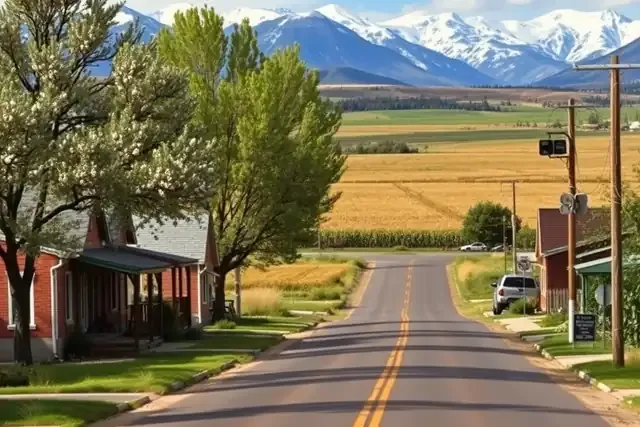
Olathe is a farm town of about 2,020 people at roughly 5,360 feet in the Uncompahgre Valley, about 10 miles northwest of Montrose on US 50. Its post office opened as Brown in 1883 and was renamed Olathe, after Olathe, Kansas, in 1896; the town incorporated in October 1907 and is known statewide for Olathe Sweet Corn.
Clogged drain in Olathe?
Answered 24/7
Including holidays and storms
Licensed local plumbers
Licensed in Colorado
Winter-ready
Frozen lines and thaw calls
Price ranges up front
Know the range before they come
Olathe homes and their sewer lines
Olathe's housing is a mix of older frame and brick houses near the old business loop, postwar homes, newer subdivisions and manufactured homes, plus farmhouses on irrigated ground around town.
Inside town limits, water and sewer are municipal; ask the Town of Olathe about the main in front of your house. Farms and acreage homes outside town use septic, and many rely on rural water lines.
Many older Olathe houses still have cast iron and clay drains, while homes built since the 1980s are mostly PVC.
Olathe drain problems
Olathe drain trouble usually comes from irrigation water and old pipe. Ditches and fields keep ground wet in summer, roots from the trees along them find cracked clay joints, and farm work sends dirt into laundry and mudroom drains.
Olathe drain cleaning price ranges
| Job | Typical range |
|---|---|
| Clogged sink, tub or toilet in Olathe | $125–$300 |
| Main line cleared to the town sewer | $200–$550 |
| Root cutting in an Olathe clay lateral | $250–$650 |
| Camera inspection with locate | $150–$400 |
| Hydro jetting a greasy or scaled line | $350–$900 |
| Farm septic line cleared | $200–$550 |
From Brown to Olathe
The first post office here opened in April 1883 under the name Brown. In June 1896 it was renamed Olathe, after the town in Kansas, and the town incorporated on October 16, 1907. Olathe grew as a shipping and farm-supply town for the irrigated north end of the Uncompahgre Valley, with the river along its western edge and Ash Mesa rising about 100 feet above town to the west.
Olathe Sweet Corn made the name known well beyond Montrose County. The Olathe Sweet Corn Festival ran in town every August from 1992 and drew national acts before outgrowing the town and moving to Montrose. Today about 2,020 people live in Olathe, and US 50 runs along its east side between Montrose, about 10 miles southeast, and Delta, about 11 miles northwest.
Irrigated ground and wet soil
The farms around Olathe are watered by the Uncompahgre Project, whose canals carry water from the Gunnison River through the Gunnison Tunnel into the valley. Through the growing season, ditches and laterals run and fields are flooded or sprinkled, and the shallow groundwater in parts of the valley rises. That has two effects on drains. Septic leach fields on farm properties take water more slowly while the soil is full, and cracked sewer laterals in town can let groundwater in. A line that seems fine in winter but slows in July may be telling you something.
Town sewer and your lateral
Homes inside Olathe's town limits are on municipal water and sewer. The town looks after the public mains; the lateral from your house to the main, including the cleanout, is yours. If several homes on a street back up together, call the town as well as a plumber, since a blocked public main is the town's to clear. Homes on farm ground and acreage outside town handle their own wastewater with septic systems.
Older houses near the business loop
The oldest part of Olathe sits around the old business route through town, with frame and brick houses from the first half of the twentieth century, many still on their original drains: cast iron inside and clay tile out to the main. Postwar homes and newer subdivisions fill in around them. In older clay lines, joints shift and roots enter; in cast iron, scale builds up on the inside wall. Jetting clears scale and grease; a camera tells you if a joint has opened.
Trees on ditch banks
Cottonwoods, willows and Russian olives grow thick along irrigation ditches, and Olathe yards have their share of big shade trees fed by irrigation water. Their roots grow toward water, and a sewer joint that weeps is an easy target. When roots get into a lateral, the line slows down a little at a time, then stops when something catches. Root cutting reopens it. If roots keep coming back every year, a liner or a sectional repair often costs less in the long run than repeated cutting.
Farm households and laundry drains
In a farm town, laundry drains work hard. Clothes from corn harvest, onion fields, cattle pens and orchard work bring dirt, seeds and chaff into the washer, and that grit settles in the drain line, especially where the line runs flat or has a sag. A lint filter on the washer discharge helps, and so does shaking out work clothes outside. If the laundry drain backs up into a floor drain or a tub, the clog is probably downstream, in the main.
Septic on farms and acreage
Outside town, septic systems serve farmhouses, newer homes on acreage and manufactured homes. Clay-heavy soil and high summer groundwater make leach fields slow, so it's important not to overload them. Spread laundry over the week, avoid flushing anything but toilet paper, and pump the tank every three to five years. Signs of trouble include slow drains throughout the house, gurgling, sewage smell outside and wet ground over the field.
Winter in the valley
Winters in the Uncompahgre Valley are milder than in the mountains, but nights below zero happen, and cold air settles along the river. Drains on outside walls, in crawlspaces and under manufactured homes are at risk. Keep crawlspace vents closed in winter and skirting tight, and keep cabinet doors open on the coldest nights.
If an Olathe drain backs up
- 01
Stop the water
Don't run more water in an Olathe house with a blocked main.
- 02
Check for neighbors
If others on your street back up too, call the town.
- 03
Find the cleanout
Usually in the yard between the house and the street, or in a crawlspace.
- 04
Septic home?
If you're on septic, note when the tank was last pumped; it helps diagnose the problem.
Olathe warning signs
- Roots on the cable after clearing an Olathe lateral
- Drains that slow every summer during irrigation season
- A laundry drain that backs up into a floor drain
- Gurgling toilets when the tub drains
- Wet, smelly ground over a farm septic field
Call if you notice
- Roots from a ditch-side cottonwood in an Olathe clay lateral
- A septic field that slows when nearby fields are being irrigated
- Mud and field dirt from work clothes in a laundry drain
- Grease buildup in a busy family kitchen line
- A drain freezing on an outside wall in a cold snap
Olathe drain questions
Who maintains the sewer in Olathe?+
The Town of Olathe maintains the public sewer mains. The lateral from the house to the main is the owner's. Outside town, homes use their own septic systems.
Why do roots cause so many Olathe sewer clogs?+
Irrigation keeps trees along ditches and yards well watered, and their roots spread toward any steady water underground, including a cracked clay sewer joint.
Do Olathe farm homes need septic pumping?+
Yes. Most septic tanks in a typical household need pumping every three to five years. Pumping on schedule protects the leach field.