Boulder County · Foothills & Mountains
Drain Cleaning in Ward, CO
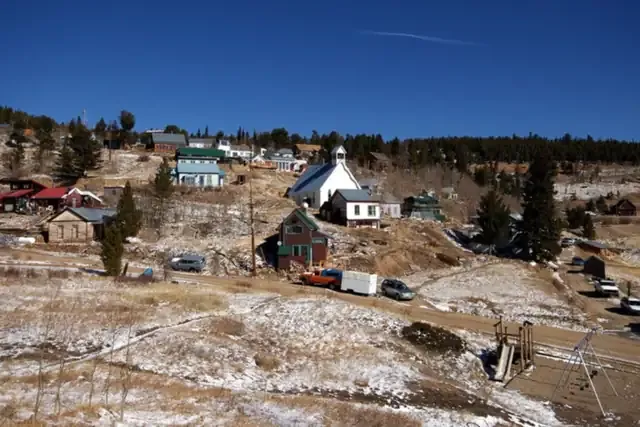
Ward is a tiny mountain town of about 130 people at roughly 9,450 feet, on a mountainside at the top of Left Hand Canyon beside the Peak to Peak Highway. It was founded during the 1860 gold rush and is one of the highest incorporated towns in Colorado, with long, snowy, windy winters.
Answered 24/7
Including holidays and storms
Licensed local plumbers
Licensed in Colorado
Winter-ready
Frozen lines and thaw calls
Price ranges up front
Know the range before they come
Ward homes and their sewer lines
Ward's homes are mostly old miners' cabins and small houses that have been added onto over generations, plus a few newer homes on the edges of town.
The town operates a small drinking water system. Wastewater is handled on each lot with septic systems.
Many homes sit on rocky, sloped lots with shallow soil, which limits how deep drain and septic lines can be buried.
Ward drain problems
At 9,450 feet, cold is the main enemy of Ward drains. Shallow lines over rock freeze, drains in additions and crawlspaces freeze when the wind blows, and old cabin plumbing creates odd joints where debris collects. Septic lines on steep, rocky lots need careful clearing.
What drain work usually costs in Ward
| Job | Typical range |
|---|---|
| Kitchen or bathroom clog cleared | $125–$325 |
| Line to the septic tank cleared | $200–$550 |
| Thawing a frozen drain or septic line | $200–$600 |
| Camera inspection | $150–$400 |
| Clearing an old cabin drain | $150–$400 |
A gold camp at 9,450 feet
Calvin Ward found gold here in 1860, and the camp that grew around his claim became one of the busier mining towns in the Boulder County mountains. The mines faded, but the town stayed, perched on a steep slope at the top of Left Hand Canyon where the Peak to Peak Highway passes. In the late 1960s and 1970s Ward drew a new wave of residents looking for a simpler life in the mountains, and the town still has a strong independent streak. Brainard Lake and the Indian Peaks rise just to the west.
Cold that shapes everything
At 9,450 feet, Ward winters are long, snowy and windy, with frost reaching deep into the ground. Rock near the surface limits how deep drain and septic lines can be buried, so many are shallower than they should be for this altitude. Lines under driveways and paths that get shoveled or plowed lose their snow cover and freeze first. A drain that stops during a cold, clear night is usually frozen, not clogged.
Septic on a mountainside
Homes in Ward handle wastewater on their own lots. On steep, rocky ground, tanks and fields sit wherever there was room, sometimes uphill of the house, sometimes well below it. Each layout has its own weak points. A plumber can clear the line from the house to the tank and send a camera to see what's inside, and a septic hauler takes care of emptying the tank when it is due.
Miners' cabins and additions
Many Ward homes started as small miners' cabins. Over the years, owners added rooms, bathrooms and kitchens, often with plumbing that ties into the original line in awkward ways. Those joints, along with old galvanized pipe, are where clogs form. In homes built partly by owners, a camera inspection can reveal surprises: flat runs, missing vents and odd fittings that slow drainage.
Protecting drains in winter
Simple steps prevent most freeze calls in Ward: keep heat on in crawlspaces and additions with plumbing, insulate exposed lines, fix dripping faucets that can freeze into plugs, and avoid plowing over the septic line. If you leave the house for a while in winter, ask someone to check it and keep the heat on.
If a Ward drain stops
- 01
Think about the weather
If it's bitter cold, the line may be frozen.
- 02
Stop running water
Water into a frozen or clogged line has nowhere to go.
- 03
Find the cleanout
Clear snow from it and from the tank lids.
- 04
Describe the access
Steep lots and icy paths matter for equipment.
Ward drain warning signs
- A drain that stops on a frigid night
- Slow drains throughout a septic home
- Gurgling where an addition joins the house
- Sewer smell near the tank
- Ice around a vent or cleanout
Getting help up the hill
Ward is a long drive from the valley, up Left Hand Canyon or along the Peak to Peak Highway, and winter storms slow travel. When you call, describe the problem, the weather and the access so the plumber brings the right equipment the first time.
What affects the cost in Ward
Altitude, travel, rocky ground and frozen lines all add time. Simple clogs are quicker. Knowing where your cleanout and tank are, and keeping a path clear, helps.
Off-grid and part-time homes
Some homes around Ward are off the grid or used part-time. A house that sits empty in winter can freeze if the heat fails, and water left in traps and lines freezes and cracks fittings. If you leave a Ward home for more than a few days in winter, keep the heat on and have someone check it, or have it winterized.
Snow and septic
Deep snow actually helps a septic system by insulating the ground. Problems come when snow is packed down by vehicles or plowed away over the line and tank. In Ward, keep vehicles off the septic area and avoid plowing over it, so the snow does its job.
Tanks uphill and downhill
When a Ward tank sits above the house, the system may use a pump to lift wastewater up to it. A pump failure looks like a clog: drains slow and back up. If your system has a pump chamber and an alarm, check the alarm before calling. If the tank is below the house, gravity does the work, but long, steep lines can clog where they flatten out near the tank.
Spring thaw and soggy fields
When Ward's deep snowpack melts in May and June, the ground can stay saturated for weeks. A septic field in wet ground accepts water more slowly, and drains may slow down. Easing water use during the thaw helps. If drains are slow only in spring and fine the rest of the year, the field is likely just waterlogged.
Call if you notice
- A frozen drain or septic line in midwinter
- Slow drains in an old miner's cabin
- Clogs where an addition meets old plumbing
- A line to the tank stopping after a cold snap
- Sewer smell near the tank
Ward drain questions
Is Ward on sewer?+
No. Homes use onsite septic systems; the town provides water.
Why do drains freeze so often in Ward?+
Ward sits near 9,450 feet with long, cold winters, and rock near the surface keeps lines shallow.
Can a plumber reach Ward in a snowstorm?+
The phone is answered around the clock, but travel up Left Hand Canyon or the Peak to Peak Highway may take longer in heavy snow.