Prowers County · Southern Colorado
Drain Cleaning in Lamar, CO
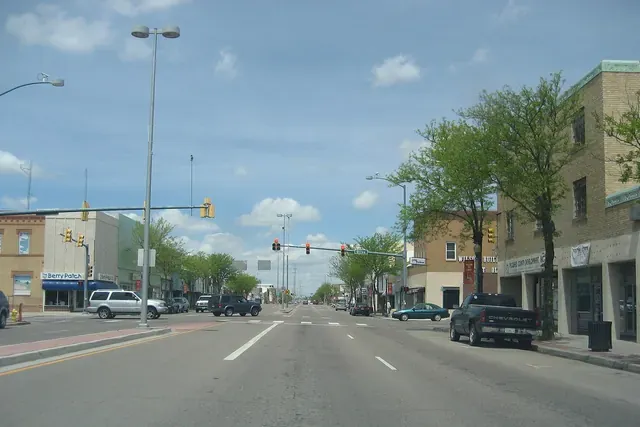
Lamar is the Prowers County seat on the Arkansas River in far southeastern Colorado, at about 3,600 feet, the lowest and one of the warmest towns on this site. It's a farm, ranch and rail town with tree-lined streets of older homes.
Answered 24/7
Including holidays and storms
Licensed local plumbers
Licensed in Colorado
Winter-ready
Frozen lines and thaw calls
Price ranges up front
Know the range before they come
Lamar homes and their sewer lines
Neighborhoods around Main Street have homes from the early 1900s through the 1940s, with clay laterals running to alley mains under big elms and cottonwoods.
Ranch homes from the 1950s through the 1970s fill much of the rest of town, with cast iron under the floor. Farm homes outside town use septic.
The City of Lamar operates the public sewer.
Lamar drain problems
Roots are the main cause of backups in older Lamar homes. Mineral-heavy water leaves scale in old drains. Hot, dry summers drive roots toward leaking joints, and winter cold snaps freeze crawlspace lines. Farm homes back up when septic tanks run overdue.
What drain work usually costs in Lamar
| Job | Typical range |
|---|---|
| Sink, tub or toilet clog cleared | $125–$300 |
| Main line to an alley main | $200–$500 |
| Root cutting in a clay lateral | $250–$600 |
| Sewer camera inspection | $150–$400 |
| Line to a farm septic tank cleared | $200–$550 |
A farm town on the Arkansas
Lamar was founded in 1886 along the Santa Fe Railway and has served as the trading center for Prowers County's farms and ranches ever since. The Madonna of the Trail monument downtown marks its place on the old Santa Fe Trail route, and the Big Timbers Museum tells the story of the stretch of cottonwoods along the river that gave the area its early name. Those cottonwoods, and the shade trees planted on every older street, are still the biggest factor in Lamar's drain problems.
Roots under alleys
Many older Lamar homes drain out the back of the house to a sewer main in the alley. Their clay laterals pass under back yards and near garages and big elms. Roots find the joints and grow into thick mats that catch paper and grease. Root cutting clears them, and many owners schedule it every year or two. If roots come back quickly, a camera inspection may show a cracked or separated joint that needs repair.
Hot summers and dry soil
Lamar is one of the warmest places on this site, with long hot summers. When the soil dries out, tree roots search harder for water, and a leaking sewer joint becomes a target. Summer is when many Lamar laterals that were slow all spring finally back up. Cutting roots in spring, before the heat, often prevents a midsummer emergency.
Mineral-heavy water
Water across the lower Arkansas Valley carries a lot of dissolved minerals, and over decades it leaves scale inside old cast iron and galvanized drains. Scale narrows the pipe and catches hair and soap. Older homes with several slow drains may have scale in the pipes behind the walls as well as in the traps.
Farm homes around Lamar
Farm homes in the surrounding county rely on septic systems. When a farm home backs up, check when the tank was last pumped. If it's current, a plumber can clear the line from the house and scope it.
If your Lamar home backs up
- 01
Stop water use
Hold off on laundry, showers and dishes.
- 02
Check the lowest drain
A basement floor drain or lowest toilet shows main line trouble first.
- 03
Find the cleanout
Often in the basement or near the back of the house toward the alley.
- 04
Ask about roots
Older Lamar laterals often have them.
Lamar drain warning signs
- Water at the basement floor drain
- Gurgling toilets after laundry
- Slow drains that return after cleaning
- Sewer smell in the yard
- A soggy spot over the lateral
College students and rentals
Lamar Community College brings students to town, and some older homes are rented to them. A Lamar house shared by several students sends far more water and debris down a lateral built for one family. Landlords can avoid most emergency calls by cutting roots before the fall semester and giving tenants a short list of what not to flush.
What affects the cost in Lamar
Simple clogs are quick. Root-packed laterals, scaled cast iron and farm septic lines take more time. A camera inspection on the first main line call shows whether the problem will return.
Wind and dust storms
Southeastern Colorado is known for strong winds and occasional dust storms. Fine soil blows into gutters and gets tracked inside, ending up in mudroom sinks, floor drains and washers. Cleaning floor drain baskets and using strainers keep that grit out of drain lines.
Basements in old Lamar homes
Many older Lamar homes have basements, often with a floor drain, laundry and sometimes a toilet. The basement is the lowest point in the house, so it shows main line clogs first. A backwater valve can help protect it. If water appears at the basement floor drain when the washer runs, the main line is the likely cause.
Amache and the county's history
Near Granada, east of Lamar, the Amache site preserves the history of a World War II incarceration camp and is now a national historic site. Prowers County's history runs deep, and so do its old homes. Many houses in Lamar have been in families for generations, with drains repaired piecemeal over the years. A camera inspection gives a clear picture of what's under an old house.
Planning root cutting
If your Lamar lateral needs roots cut every year, schedule it in spring, before summer heat drives roots to grow fast. Ask the plumber to note how heavy the roots were each time. If they get worse year to year, it may be time to repair the joint where they enter.
The Arkansas River and high water
The Arkansas River runs along the north side of Lamar, and the Big Timbers cottonwoods once lined it for miles. Homes nearest the river sit on lower ground, where the soil stays damp and roots grow vigorously. Older laterals there are more likely to need root cutting.
Lamar Community College housing
Students at Lamar Community College often live in older rental homes near campus and downtown. Landlords who scope laterals between tenants, cut roots on a schedule and post a short list of what not to flush in each bathroom avoid most emergency calls during the school year.
Call if you notice
- Roots in a clay lateral under an old elm
- Water at a basement floor drain
- Scale in old cast iron
- Frozen drains in a crawlspace
- Slow drains in a Prowers County farmhouse
Lamar drain questions
Who maintains Lamar's sewer?+
The city maintains the public mains. Owners are responsible for the lateral, often running to an alley main.
Why do roots grow so fast in Lamar lines?+
Hot, dry summers send big shade trees searching for water, and leaking clay joints provide it.
Does hard water affect drains?+
Yes. Scale narrows old pipes and catches hair and soap over time.