Guide · updated 2026-10-02
Signs your main sewer line is clogged
A single slow sink is an annoyance. A clogged main line is a basement full of sewage waiting to happen. These are the signs that separate the two, roughly in the order homeowners notice them.
Rather have a pro handle it?
1. More than one drain is slow
If the tub, the bathroom sink and the toilet are all sluggish at the same time, the problem is downstream of where those lines join: the main. Single-fixture clogs don't spread.
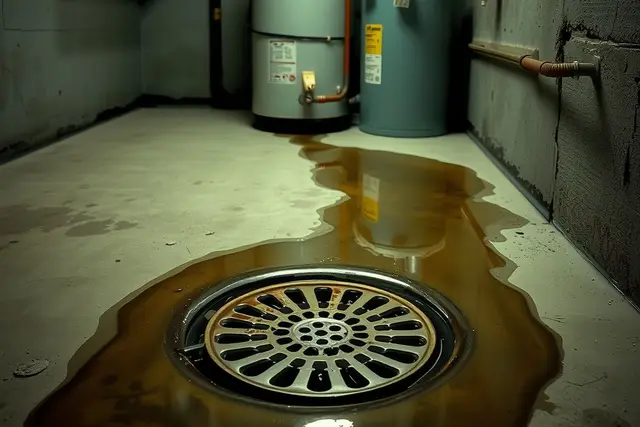
2. Water comes up in the lowest drain
When the main is blocked, water from upstairs takes the path of least resistance, which is the lowest opening in the house. In most Colorado homes that's the basement floor drain or a basement shower. If you see water rising there, stop using water and call.
3. Toilets react to other fixtures
A toilet that bubbles, gurgles or rises when the washing machine drains or the tub empties means air and water are being pushed back through the system. That points to a partial main line blockage.
4. It happens around the same time every year
Backups that come back every spring or late summer are the classic pattern of root intrusion, especially in older Front Range neighborhoods with clay laterals and big trees.
5. Sewer smell in the yard or basement
A sewer smell that isn't explained by a dry floor drain trap, or a soggy, unusually green strip of lawn along the sewer path, can mean the line is leaking or backed up underground.
6. Plunging works for a day
If a plunger clears the toilet but it clogs again within a day or two, the blockage is beyond the toilet's reach.
7. The cleanout cap is wet or pushing up
Check the main cleanout. If water is weeping around the cap or it's standing in the pipe when you open it carefully, the line is full and blocked downstream of that point.
What to do right now
- 01
Stop using water
No flushing, laundry, dishwasher or showers anywhere in the house.
- 02
Protect the basement
Move belongings off the floor near the drain and keep people and pets away from any sewage.
- 03
Find the cleanout
Clear a path to it. It saves the plumber time and you money.
- 04
Call
A plumber clears the main from the cleanout with a large cable, then ideally runs a camera inspection to see why it happened.
Early warnings people miss
None of these alone means a backup is coming, but together they point to a main line that's narrowing. Catching it at this stage means a planned visit instead of an emergency.
- A faint gurgle from the tub or basement floor drain when a toilet flushes upstairs
- Toilet water level that rises slightly, then settles, when the washer drains
- A sewer smell near the basement floor drain on humid days
- Fruit flies or drain flies hanging around a basement drain
- Water that drains a little slower everywhere, not just in one fixture
Single-fixture clog or main line? A quick test
- 01
Run the bathroom sink
Fill it and let it drain. Watch and listen to the tub and toilet.
- 02
Flush the toilet
Watch the tub drain and, if you have one, the basement floor drain.
- 03
Run the washer's drain cycle
Check the floor drain and the lowest toilet while it pumps out.
- 04
Read the results
If only the fixture you used is slow, it's a branch clog. If other fixtures react, the main line is involved.
Why Colorado basements are the first to know
Most Front Range homes have basements, and the basement floor drain or bathroom is the lowest point connected to the sewer. Water always finds the lowest exit, so when the main line can't carry everything to the street, the basement takes the overflow. That's why a finished basement is the most expensive place to discover a main line clog, and why knowing the early signs matters more here than in slab-on-grade houses in other states.
After it's cleared: what you should ask
- What came out on the cable: roots, wipes, grease, pieces of pipe?
- How far from the house was the blockage?
- Can you run a camera now while the line is open?
- Is this likely to happen again, and when?
- Would a backwater valve or an added cleanout help this house?
Older homes vs newer homes
| Pre-1975 home | 1990s or newer home | |
|---|---|---|
| Typical lateral | Clay, cast iron or Orangeburg | PVC |
| Most common cause | Roots, cracked or offset joints | Wipes, grease, paper towels |
| Likely to repeat? | Yes, unless the pipe is repaired | Often not, if habits change |
| Best follow-up | Camera inspection and a long-term plan | Camera if it happens twice |
Seasonal patterns in Colorado
Main line backups on the Front Range follow the seasons. In spring, tree roots wake up and grow toward any moisture in the sewer line, so older clay laterals start backing up in April and May. In summer, dry soil pushes roots harder toward leaking joints. Around the holidays, kitchen grease and extra guests load up the line. And during the deepest winter cold, shallow sections and drains in cold spaces can freeze, which looks just like a clog from inside the house.
If your backups line up with one of these seasons, mention it when you call. It helps the plumber narrow the cause before the cable even goes in.
What not to do while you wait
- Don't pour chemical drain cleaner into a backed-up main line; it won't clear it and makes the job dangerous for the plumber.
- Don't open the main cleanout cap when the line is full; sewage will pour out under pressure.
- Don't keep testing fixtures to see if it's cleared itself; each flush adds to the water on the floor.
- Don't use a shop vac on sewage without proper protection; it can spread contamination.
A note for new homeowners
If you've just moved into an older Colorado home, find the main cleanout in your first week, test every floor drain with a bucket of water, and keep an eye on how quickly the basement drains during the first few loads of laundry. Ask the seller or their agent whether the sewer line was ever scoped, repaired or replaced. A little attention early makes the first sign of trouble obvious instead of confusing, and gives you time to plan rather than react.
If the home came with a sewer scope video from the purchase, keep it somewhere you can find it; a plumber can compare it against a new inspection to see what has changed.
How quickly a partial clog becomes a backup
There's no fixed timeline. A main line narrowed by roots can drain slowly for months and then stop completely when a wad of paper catches on the root mat. A line with a belly can work for years until a heavy holiday weekend pushes too much grease and food waste into the low spot. That's why early signs are worth acting on: the moment a partial clog becomes a full one is impossible to predict, and it rarely happens at a convenient time.
Booking a planned visit when you first notice warning signs is almost always cheaper than an after-hours emergency call once water is on the basement floor.