Summit County · Foothills & Mountains
Drain Cleaning in Dillon, CO
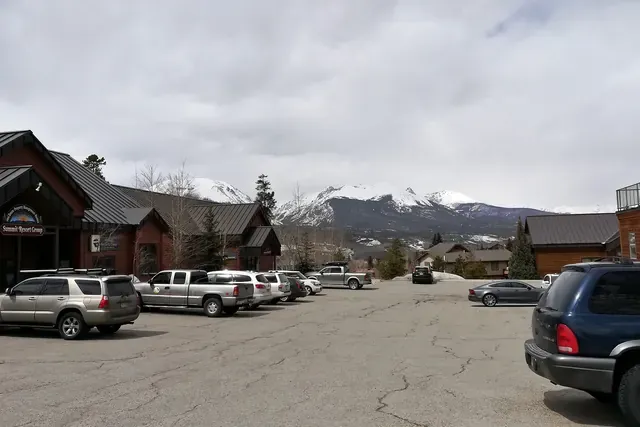
Dillon sits at about 9,100 feet on the north shore of Dillon Reservoir. The original town was moved to its current site in the early 1960s, when Denver Water built the dam and flooded the old townsite, so nearly everything here was built after that.
Answered 24/7
Including holidays and storms
Licensed local plumbers
Licensed in Colorado
Winter-ready
Frozen lines and thaw calls
Price ranges up front
Know the range before they come
Dillon homes and their sewer lines
Most of Dillon's housing is condos and townhomes from the 1970s and 1980s, plus single-family homes on the hillside above the lake. Many condo buildings have cast iron stacks and shared building drains.
Dillon Valley, just east across I-70, is a separate neighborhood of condos and homes with its own district.
The Town of Dillon collects sewage and sends it to the Silverthorne/Dillon Joint Sewer Authority for treatment.
Dillon drain problems
Shared condo drains clog with grease and wipes, especially in rentals. Older buildings have aging cast iron. Garages and crawlspaces freeze in deep cold. Units that sit empty have dry traps and hardened buildup.
What drain work usually costs in Dillon
| Job | Typical range |
|---|---|
| Kitchen or bathroom clog in a unit | $125–$300 |
| Shared building drain cleared | $200–$550 |
| Camera inspection | $150–$400 |
| Thawing a frozen drain | $200–$600 |
| Hydro jetting a greasy line | $350–$900 |
A town moved for a reservoir
The original Dillon sat in the valley where the Blue, Snake and Tenmile met. When Denver Water built Dillon Dam in the early 1960s, the town was relocated to the hillside above the future shoreline, and some buildings were moved along with it. That history means Dillon's housing is mostly from the 1960s onward, with no century-old neighborhoods. The older pipe here is cast iron and early plastic from the 1970s and 1980s, not clay from the 1900s.
Condos on the hillside
Most Dillon homes are condos and townhomes on the slope above the lake, many with balconies looking over the water to the Tenmile Range. Many buildings date from the 1970s and 1980s and have cast iron stacks feeding shared building drains. Cast iron scales up inside over time, narrowing the pipe. When a shared line clogs, the lowest units back up first. HOAs that jet their lines regularly see far fewer emergencies.
Dillon Valley across the interstate
Dillon Valley, east of I-70, is a large neighborhood of condos and homes from the same era, served by its own district. The drain issues there are the same: shared lines, aging cast iron, rental use and cold winters. A clogged building drain in Dillon Valley gets the same first steps as one in town: stop water use, notify the HOA and call a plumber.
Cold at 9,100 feet
Dillon sits higher than Silverthorne, and its winters are long and cold. Lines in garages, under decks, in crawlspaces and in exterior walls freeze during cold snaps. Condos that sit empty between visits are at extra risk if the heat is set too low. Remote temperature alerts and regular checks during cold weather help owners catch problems early.
Summer at the lake
Summer brings boaters, concerts at the amphitheater and visitors to the marina, and many Dillon condos fill with guests. Busy summer weekends put extra load on shared lines, much like ski season. Reminding guests to keep wipes and grease out of drains helps keep lines running.
If a Dillon condo unit backs up
- 01
Stop water use
And ask neighbors to hold off if possible.
- 02
Call the HOA
Shared lines are usually the HOA's responsibility.
- 03
Call a plumber
Get the line cleared first; sort out responsibility after.
- 04
Take photos
Useful for HOA and insurance.
Dillon drain warning signs
- Water at the lowest unit's tub
- Gurgling when units above drain
- Sewer smell after a trip away
- Drains that freeze in the garage
- Slow kitchen drain in an older building
Single-family homes above town
Above the condos, some single-family homes sit on hillside lots with long service lines running down to the street. Those homes often have walk-out levels, which show main line problems first. Older homes may have cast iron; newer ones have plastic.
What affects the cost in Dillon
Simple clogs in a unit are routine. Shared building drains, old cast iron, frozen lines and tight winter parking take longer. Tell the plumber the building name, unit, access details and whether the HOA is involved.
The lakeshore and the old townsite
Lake Dillon covers the old townsite now, and on very low water years, foundations from the original town have reappeared along the shore. Today's Dillon sits on the slope above, and its streets and buildings date from the decades after the move. Because the whole town was built in a short span, many buildings have systems of the same age, and those systems are now reaching the point where cast iron and early plastic need attention.
Town Park, the core and redevelopment
Dillon's town core has seen redevelopment, with new buildings mixing condos and shops replacing older ones. Newer buildings have modern drain systems, but older buildings nearby still have their original pipes. When an older building's drains slow, scoping the building drain gives the HOA a clear picture of whether cleaning, spot repairs or lining is the right next step.
Long stays and seasonal owners
Many Dillon condo owners live elsewhere and visit for a few weeks at a time. Between visits, traps dry out and sewer gas can come into the unit. Running water in every fixture on arrival, including floor drains in storage or utility rooms, refills traps and clears any odor. A property manager can do the same during long gaps.
Steep driveways and winter access
Dillon's hillside streets and parking lots can be icy and tight in winter. Plumbers need to park close enough to bring in a cable machine, a camera or a jetter. Telling the plumber where to park, and clearing a path to the building's utility room or cleanout, saves time.
Condo associations and maintenance plans
With so much of Dillon's housing in condo associations, much of the sewer work here is planned by HOA boards. Boards that keep a record of where their building drains clog, scope them every few years and set aside reserves for cast iron repairs avoid sudden special assessments. If you sit on a board, a camera report on the building drain is a useful baseline.
Owners can help by reporting slow drains early, before a slow line turns into a backup in the lowest unit.
Call if you notice
- Lowest condo unit backing up
- Frozen drains in a garage
- Cast iron scale in a 1970s building
- Sewer smell in an unused unit
- Grease in a shared kitchen stack
Dillon drain questions
Who maintains the sewer in Dillon?+
The Town of Dillon maintains its collection system, and the Joint Sewer Authority treats the sewage. Your service line, and in condos the building's shared lines, are private.
Why is my unit's drain smelly after a trip?+
The trap probably dried out. Run water in every fixture to refill traps.
Are old condo buildings more prone to clogs?+
Yes. Cast iron from the 1970s scales up inside, which narrows the pipe and catches debris.