Weld County · Northern Colorado
Drain Cleaning in Keenesburg, CO
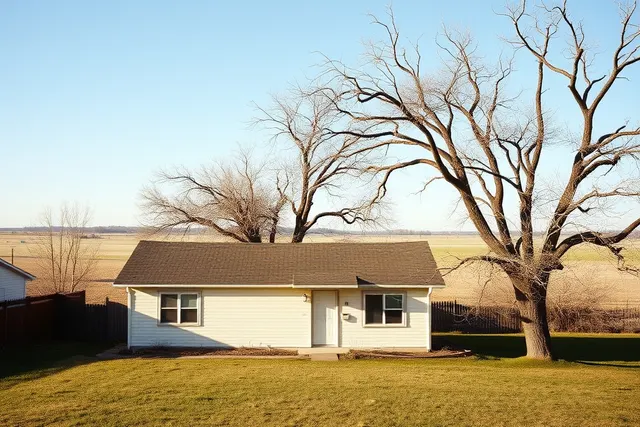
Keenesburg is a small farm town in southern Weld County along I-76, surrounded by irrigated fields and dryland wheat. Homes in town are older; homes outside it are spread across farms and acreage.
Clogged drain in Keenesburg?
Answered 24/7
Including holidays and storms
Licensed local plumbers
Licensed in Colorado
Winter-ready
Frozen lines and thaw calls
Price ranges up front
Know the range before they come
Keenesburg homes and their sewer lines
The town's homes range from early 1900s houses to mid-century ranches, with a smaller number of newer builds on the edges. Older homes often have clay or cast iron laterals.
Keenesburg's in-town houses use the municipal sewer. Out on the farms, every place has its own septic setup.
Large cottonwoods and old shade trees line many of the town's streets and irrigation ditches, and their roots are the main threat to older sewer lines.
Keenesburg drain calls
Older in-town homes see root intrusion and aging pipe. Farm properties see septic-related slowdowns and clogs in mudroom and shop sinks. Wind and cold on the open plains freeze lines in crawlspaces and exterior walls.
What drain work usually costs in Keenesburg
| Job | Typical range |
|---|---|
| Sink, tub or shower line cleared | $125–$300 |
| Main line from a cleanout | $200–$500 |
| Root cutting near a ditch or big tree | $250–$650 |
| Camera inspection | $150–$400 |
| Farm property line to the tank cleared | $200–$550 |
A farm town with old pipes
Keenesburg grew up as a farming and railroad town on the plains northeast of Denver, and much of its housing is older. Many homes date from the early 1900s through the mid-century, with clay or cast iron sewer laterals that have been in the ground for generations. Those lines have survived a lot, but their joints don't seal the way they once did. Roots, settling and corrosion are the usual results.
Cottonwoods along the ditches
Irrigation ditches run through and around Keenesburg, and they're lined with cottonwoods and willows that grow huge with a steady supply of water. Their roots range far, and an old sewer lateral that leaks a little moisture is a natural target. If your home sits near a ditch or a big tree, root intrusion is likely sooner or later. Cutting restores flow, and a camera shows how many joints are affected and how fast the roots are returning.
Farms, shops and mudrooms
Farm and acreage properties around Keenesburg rely on septic systems, and they often have extra drains in mudrooms, shops and barns. Those drains see mud, grit, grease from equipment and debris that household drains never do. A strainer basket in every utility sink and a rule against rinsing heavy dirt down the drain prevent most clogs. If an outbuilding drain ties into the house septic, heavy debris can also shorten the time between pumpings.
Wind and winter
Keenesburg is wide open to winter wind, and older homes with crawlspaces or plumbing on exterior walls are the most likely to freeze. Insulating crawlspace lines, sealing gaps where pipes pass through walls and keeping heat on in every room with plumbing prevent most freezes. Farm buildings with plumbing need their own heat or should have their lines drained before winter.
Basements and backwater valves
Some older Keenesburg homes have small basements with a bathroom or laundry added later. These are the lowest drains in the house and the first place a main line backup appears. If your basement has flooded from a sewer backup before, ask about a backwater valve, which lets water out but closes if sewage tries to come back in. It doesn't replace maintenance, but it protects the basement.
Before you call about a Keenesburg drain
Mention roughly when the house was built, whether you're in town or on a farm, whether there are big trees or a ditch near the line, and which fixtures are affected. If you're on septic, say when the tank was last pumped. Move anything stacked over the cleanout before the visit.
Costs in Keenesburg
Simple clogs clear near the bottom of these ranges. Root cutting in older lines lands mid-range, and farm properties with long runs or septic issues cost more. A camera inspection on the first main line call in an older home is usually worth it, because it shows whether roots can be managed or whether a section needs repair.
Grain dust, mud and the mudroom sink
Farm work brings dirt into the house, and in Keenesburg the mudroom sink takes most of it. Grit, chaff and caked mud settle in the trap and the first few feet of pipe, where the line runs nearly flat. Over a season they build into a plug that no plunger will move. A removable strainer basket and a quick rinse of boots and gloves outside before coming in keep most of it out. When that sink does clog, mention farm debris to the plumber so they bring a cutting head rather than a small hand auger. Older farmhouses sometimes tie that sink into the main without a separate trap arm, so a plug there can slow the whole house.
Cast iron and clay in older homes
Older Keenesburg homes often have cast iron inside and clay outside. Cast iron scales up from the inside over decades, narrowing the pipe, and it can rust through along the bottom. Clay outside is strong but has joints every few feet that roots exploit. A camera inspection shows the condition of both, and the distances to each problem spot, so you can plan whether to maintain the line with periodic cleaning or repair the worst section.
Gurgling and venting
Older homes that had bathrooms added later sometimes have limited venting, and a drain that gurgles or a toilet that bubbles may be telling you about a vent problem rather than a clog. Vents can also block with bird nests, debris or ice in winter. If a plumber clears the main and the gurgling continues, the vent is the next place to look.
Buying in Keenesburg
For an older home in town, a sewer scope during the inspection period is one of the most useful checks you can order. For a farm property, add a septic inspection, and consider a camera inspection of the line from the house to the tank. Those checks cover the most expensive drain-related surprises in a town where many homes are a century old. Ask the seller, too, whether the line has ever been cleaned or repaired, and by whom.
Call if you notice
- Roots from cottonwoods near a ditch
- Backups in a basement bathroom
- Farm shop sinks clogged with mud
- Slow drains throughout a septic home
- Frozen lines on a windward wall
Keenesburg drain questions
Who maintains the sewer main in Keenesburg?+
The town looks after its mains. Owners are responsible for the pipe from the house to that main.
Why do roots keep returning?+
Old clay joints near big trees let them back in. Lining seals the joints.
Is drain service available on farms outside town?+
Yes. Mention the road and how far the tank is from the house.