Adams County · Denver Metro
Drain Cleaning in Watkins, CO
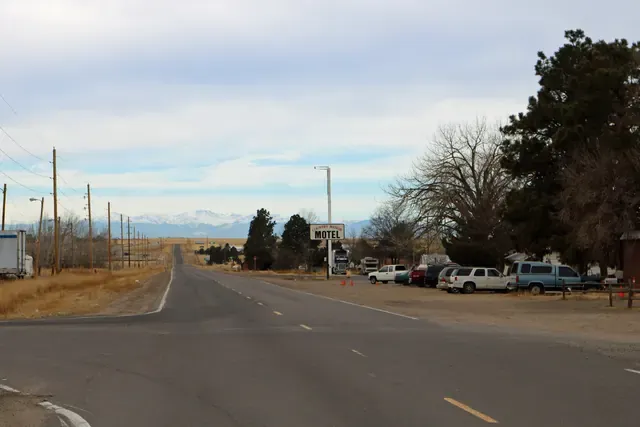
Watkins is an unincorporated community on the open plains east of Aurora, near Colorado Air and Space Port. Homes are spread out on acreage, with wide skies, strong wind and long distances between neighbors.
Answered 24/7
Including holidays and storms
Licensed local plumbers
Licensed in Colorado
Winter-ready
Frozen lines and thaw calls
Price ranges up front
Know the range before they come
Watkins homes and their sewer lines
Most homes around Watkins were built from the 1970s onward on lots of several acres, ranging from ranch houses and manufactured homes to newer custom builds. Many properties have barns, shops and horse facilities.
Most properties here rely on private wells or water districts and septic systems rather than a city sewer main. The line from the house usually runs to a tank in the yard.
Clay soils on the plains swell and shrink with moisture, and over the years that movement can shift buried pipe and create low spots in long runs to the tank.
What drain trouble looks like in Watkins
Kitchen and bathroom clogs are common, along with slow drains from a tank due for pumping. Long building sewers on big lots can develop sags where solids settle. Wind on the open prairie freezes exposed lines in garages and crawlspaces, and barn and shop sinks clog with mud and debris.
What drain work usually costs in Watkins
| Job | Typical range |
|---|---|
| Kitchen or bathroom clog cleared | $125–$325 |
| Line from house to tank cleared | $200–$550 |
| Camera inspection of a long building sewer | $150–$400 |
| Barn or shop sink line cleared | $125–$300 |
| Thawing a frozen drain line | $200–$600 |
Living on the open prairie
Watkins is the kind of place where neighbors are measured in quarter-miles and the nearest hardware store is a drive. Homes sit on acreage with long driveways, outbuildings and room for horses. That way of life comes with its own plumbing setup: a private well or water district service, a septic tank and leach field in the yard, and often extra sinks in barns and shops. A drain call out here starts with figuring out which part of that system is actually the problem.
Septic first
When every fixture in a Watkins home slows down at once, the septic tank is the first suspect. Tanks fill gradually, and a household that has grown or had guests can fill one sooner than expected. If the tank hasn't been pumped in three to five years, that's the logical first call. If it was pumped recently and the house still backs up, the blockage is probably in the pipe between the house and the tank, and that's where a drain plumber comes in. A plumber can also check whether water flows freely into the tank, which tells the septic company whether the inlet is clear.
Clay soil and long runs
The soils around Watkins include clays that swell and shrink with moisture. Over years of wet and dry cycles, that movement can shift a buried pipe and create low spots, especially on a long run to a tank placed far from the house. Solids settle in those low spots and eventually stop the flow. A camera with a locator finds them and marks their location and depth on the surface, so a repair can target just the problem section instead of the whole line.
Barns, shops and mud
Utility sinks in barns and shops see mud, hay, manure, hair and shop grime, and they clog far more often than household drains. A strainer basket in every utility sink and a habit of dumping buckets outside rather than down the drain prevent most of these calls. If an outbuilding's drain ties into the house septic system, heavy debris from it can also shorten the time between pumpings, so it's worth knowing where each drain goes.
Wind and frozen lines
Winter wind on the plains east of Aurora can drop the effective temperature far below the thermometer reading. Drains in exterior walls, attached garages, crawlspaces and outbuildings are the most likely to freeze. Keeping heat in any space with plumbing, sealing gaps where pipes pass through walls and draining lines in buildings that aren't heated in winter prevent most problems. Snow cover insulates the ground, so the worst freezes tend to come during cold snaps with bare ground.
Telling the plumber about your Watkins property
Mention your road, whether it's paved or gravel, how long the driveway is and whether there are gates. Say that you're on septic and roughly how far the tank is from the house. If the problem is in an outbuilding, say whether that drain ties into the house system. In winter, a note about drifting snow on the driveway helps the plumber plan.
Costs in Watkins
Clearing a single fixture costs about what it does in Aurora. Travel time, long runs to the tank, frozen lines and debris-packed outbuilding drains are what raise the bill. After a whole-house backup, a camera inspection is worth the cost because it shows whether you're dealing with a one-time clog or a sag that will keep catching solids.
Costs explained for acreage owners
When you call, the first thing that adds to a Watkins bill is distance; the second is finding the line. Knowing where the tank sits saves both.
Manufactured homes and older ranch houses
Some Watkins properties have manufactured homes or older ranch houses that were set on the land decades ago. The drain systems in these homes can be different from site-built houses: shorter, flatter runs under the floor, connections that pass through skirting and lines exposed in the crawl area beneath. Those exposed lines are the first to freeze in a windy cold snap. Skirting that's intact and insulated, along with heat tape on vulnerable sections, prevents most winter calls. If a line under the home has frozen and split, it usually shows as a drip or wet spot below the floor once it thaws.
Wells, softeners and the septic system
Many Watkins homes use private wells or small water systems, and hard water is common enough that softeners are a frequent sight. Softener backwash adds salty water to the drain system on a regular schedule, and mineral scale builds up in lines over time. Some septic installers recommend sending softener discharge somewhere other than the tank. Knowing where your softener drains helps when a floor drain or laundry line slows down, since that discharge line is an easily overlooked source of clogs.
Call if you notice
- Slow drains throughout a septic home
- Solids settling where clay soil bowed the pipe
- Frozen lines in a windy cold snap
- Shop or barn sinks clogged with debris
- Kitchen grease clogs
Watkins drain questions
Is drain service available out in Watkins?+
Yes. Expect some travel time, especially on unpaved roads or in snow.
Why does my line clog in the same place?+
Often a sag where clay soil moved the pipe. A camera finds it.
Should I pump or call a plumber first?+
If the tank is overdue, start with pumping. If it's recent, the line is the likely problem.