Douglas County · Denver Metro
Drain Cleaning in Lone Tree, CO
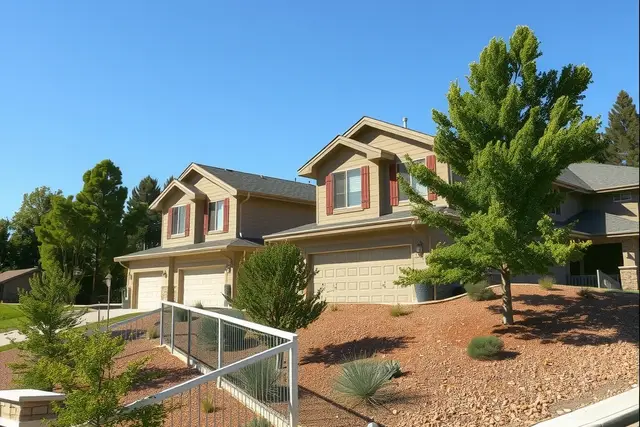
Lone Tree is a newer, compact city along I-25 with a mix of single-family homes, townhomes and condos. Most drain calls here come from use, not age.
Clogged drain in Lone Tree?
Answered 24/7
Including holidays and storms
Licensed local plumbers
Licensed in Colorado
Winter-ready
Frozen lines and thaw calls
Price ranges up front
Know the range before they come
Lone Tree homes and their sewer lines
Neighborhoods like Heritage Hills, Wildcat Ridge and RidgeGate were developed from the 1980s onward, with PVC sewer lines and, in single-family homes, finished basements. Townhomes and condos share walls and sometimes drain stacks.
In attached homes, a clog in a shared line can affect neighbors, and HOA rules decide who handles which part.
Condo and townhome buildings in Lone Tree often have cleanouts in garages, mechanical closets or shared hallways, and the HOA may hold the keys. If a backup affects more than one unit, call the management company right away; many have a preferred plumber for shared lines, and coordinating early avoids two plumbers working on the same clog from different ends.
What clogs drains in Lone Tree
Kitchen grease, wipes and hair cause most clogs. In townhomes and condos, a backup can come from a shared stack rather than your own fixtures, so a plumber may need to check where the blockage is before deciding who is responsible for clearing it.
What drain work usually costs in Lone Tree
| Job | Typical range |
|---|---|
| Sink, tub or shower line cleared | $125–$300 |
| Main line from an exterior cleanout | $200–$450 |
| Main line through a finished basement | $250–$600 |
| Ejector pump repair or replacement | $800–$2,500 |
| Camera inspection | $150–$400 |
Newer homes, different problems
Lone Tree was incorporated in the mid-1990s, and most of its neighborhoods, including Heritage Hills, the Acres Green area and RidgeGate, were built from the 1980s onward. Sewer laterals are generally PVC, and pipe failure is uncommon. Drain calls here tend to involve kitchen grease, wipes, hair and laundry lint rather than roots or broken pipe. In the oldest parts of the city, some homes are now old enough that original fixtures, traps and ejector pumps are wearing out.
Many Lone Tree homes have large finished basements, often with bathrooms below the level of the main. Those fixtures drain through an ejector pump, and a failing pump is one of the most common reasons for a basement-only backup.
Townhomes and HOA rules
Lone Tree has a lot of townhomes and condos, especially near Park Meadows and the RidgeGate area. In attached homes, drain lines may be shared between units, and the HOA's documents define who is responsible for which section. If a backup affects more than one unit, call the association before booking a plumber. Many HOAs also restrict work hours and contractor parking, which is worth mentioning when you schedule.
If the basement bathroom won't drain
- 01
Look for an alarm
Ejector pits often have a high-water alarm or light.
- 02
Check power
A tripped breaker or unplugged pump is an easy first check.
- 03
Stop using it
Keep basement fixtures off until the pump is checked.
- 04
Call
Mention the ejector pit so the right parts come on the first trip.
Common Lone Tree drain calls
- Ejector pump failure in a finished basement
- Kitchen sink clogs after holiday cooking
- Shower and tub drains slowed by hair
- Wipes in the main line
- Shared line backups in townhome buildings
Prevention in newer homes
Most Lone Tree drain problems are avoidable. Strainers in kitchen and shower drains, a trash can in every bathroom and wiping grease into the trash before washing pans prevent the majority of calls. If you have an ejector pump, have it inspected every few years and replace it before it reaches the end of its expected life, especially if the basement is finished.
Who maintains the main
Sewer mains in Lone Tree are maintained by the local water and sanitation district named on your bill. The lateral from your house to the main is usually yours. In attached homes, the HOA may be responsible for shared lines.
RidgeGate and newer development
RidgeGate, on the south side of Lone Tree, is one of the newer areas in the south metro, with townhomes, condos and single-family homes built in the last decade or so. In buildings this new, drain problems almost always come from what goes down the drain. In attached homes, a clog in a shared line can affect several units, so contact the HOA if your neighbors are having problems too.
Acres Green and older areas
Acres Green, one of the older neighborhoods within Lone Tree, has homes from the 1970s and 1980s with mature trees. Laterals there can have roots and joint problems. If you're in one of these homes and have had a backup, a camera inspection shows what you're dealing with.
What to ask on a Lone Tree call
In attached homes, ask whether the problem is in your line or a shared one. Mention any ejector pump. Ask about HOA rules for contractor access.
Lone Tree through the seasons
Lone Tree's calls follow household use more than the seasons, with peaks around the holidays and back-to-school. Winter cold can freeze drains in garage walls and condensate lines. In attached homes, shared lines see the most trouble when several units are busy at once, such as holiday weekends. Spring and summer are good times for an ejector pump check in homes where the pump is ten years old or more.
What moves the price in Lone Tree
In attached homes, the cost of a shared-line clearing may be split or covered by the HOA, depending on the documents. In single-family homes, ejector pump replacement is the biggest variable. Most main line clearings from exterior cleanouts are quick. Ask your HOA before booking if the problem might involve a shared line.
A Lone Tree homeowner's checklist
Know whether your drain lines are shared with neighbors. Test your ejector pump alarm. Keep wipes and grease out of drains. Close the garage during cold snaps.
When a Lone Tree drain turns urgent
If a basement bathroom alarm sounds, stop using basement fixtures and call; an ejector pump that's failed can overflow the pit. In townhomes, if neighbors report water at the same time, contact the HOA and a plumber together, since a shared line may be blocked.
Call if you notice
- Water rising in a basement shower
- A kitchen sink clog in a townhome
- A neighbor reporting water at the same time
- Toilets gurgling when another unit uses water
- Repeat clogs in a newer line
Lone Tree drain questions
Who pays for a clog in a Lone Tree townhome?+
Your HOA documents decide; often the owner covers lines serving only their unit and the HOA covers shared lines.
Do newer homes need sewer scopes?+
Not routinely, but a camera is useful if a newer line clogs repeatedly.
Where is the cleanout in a townhome?+
Sometimes inside the unit, sometimes in a shared area. Your HOA or a plumber can locate it.