Boulder County · Denver Metro
Drain Cleaning in Louisville, CO
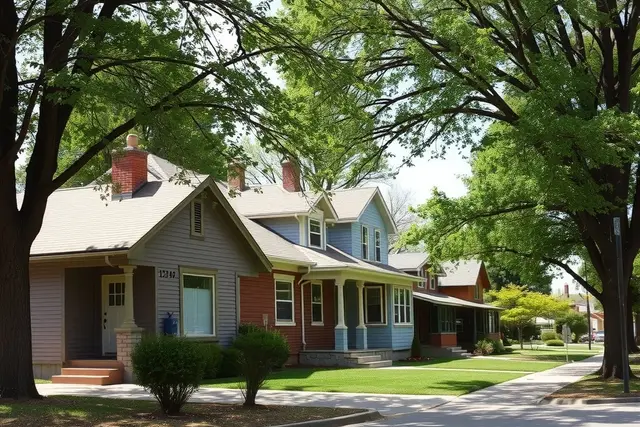
Louisville mixes a small historic downtown with 1970s and 1980s subdivisions and a lot of rebuilt homes after the 2021 Marshall Fire. That range of ages means a wide range of sewer lines.
Clogged drain in Louisville?
Answered 24/7
Including holidays and storms
Licensed local plumbers
Licensed in Colorado
Winter-ready
Frozen lines and thaw calls
Price ranges up front
Know the range before they come
Louisville homes and their sewer lines
Old Town Louisville has small homes from the early 1900s, many with clay laterals. Neighborhoods like Centennial Heights and Hillsborough were built in the 1970s and 1980s. Parts of Louisville destroyed in the Marshall Fire have been rebuilt with entirely new plumbing, sometimes connecting to older laterals that survived.
The city runs its own water and sewer utility; owners maintain their service lines.
After the Marshall Fire, many rebuilt homes in Louisville connected new plumbing to old service lines because replacing the lateral wasn't part of the rebuild. Those older lines may also have taken extra stress from heavy equipment during demolition and construction. If you own a rebuilt home and the main line clogs, ask for a camera inspection; it's the only way to see what's underground.
Louisville drain patterns
Older homes see roots and aging clay. In rebuilt homes, a camera inspection is worth having if the new house was tied into an existing lateral, because the pipe under the yard may be much older than the house. Kitchen and laundry clogs round out the calls.
What drain work usually costs in Louisville
| Job | Typical range |
|---|---|
| Sink, tub or shower line cleared | $125–$300 |
| Main line from a basement cleanout | $200–$500 |
| Root cutting in an older lateral | $250–$600 |
| Camera inspection | $150–$400 |
| Lining or replacing a damaged section | $2,500–$8,000 |
Historic core and rebuilt neighborhoods
Louisville's historic downtown along Main Street and the surrounding Old Town streets have homes from the late 1800s and early 1900s, many with original or patched clay laterals. Further out, neighborhoods from the 1970s through the 1990s make up most of the city. After the Marshall Fire in late 2021, hundreds of homes in neighborhoods such as Harper Lake and Sagamore were rebuilt, many with new sewer laterals or new connections to older lines.
In rebuilt homes, it's worth knowing whether the lateral was replaced or reconnected. If it was reconnected, the older section beyond the new house may still be original, and a camera run will show where new pipe meets old.
Who maintains the main
The City of Louisville operates its own water and wastewater utilities and maintains the public sewer mains. The pipe between your foundation and the main is normally the owner's to maintain. If you're unsure, or if several homes are affected at once, call the city.
A plan for any Louisville home
- 01
Know your line
Find out the material and age of your lateral, ideally with a camera inspection.
- 02
Keep access clear
Make sure the cleanout is accessible and not buried under landscaping.
- 03
Maintain if needed
Schedule root cutting if roots are present in older lines.
- 04
Fix permanently
Line or replace sections that keep causing problems.
Common Louisville drain calls
- Roots in Old Town clay laterals
- Joints where new pipe meets old in rebuilt homes
- Kitchen grease in busy households
- Basement laundry overflowing at the floor drain
Older neighborhoods
In the 1970s and 1980s neighborhoods, the most common issue is roots in laterals under mature trees, along with grease buildup in kitchen lines. These are straightforward to clear, and a camera inspection helps decide whether ongoing maintenance or a permanent fix makes more sense.
Old Town's small lots
Louisville's Old Town has small homes on narrow lots, many dating from the town's coal mining days. Laterals are short, often clay, and many have been repaired. Roots from mature trees and shifted joints are common. Because lots are tight, trenchless lining is often the easiest permanent fix when a line has roots at several joints.
These homes may have crawlspaces rather than full basements, and cleanouts can be in tight spots. Keeping the access clear helps any visit go faster.
Neighborhoods from the 1970s to the 1990s
Most of Louisville was built in this period, with neighborhoods like Centennial Heights, Hillcrest and Scenic Heights. Laterals are a mix of clay and early plastic, and mature landscaping means roots can be a factor. Kitchen grease and laundry lint are also common causes of clogs. A camera inspection shows whether the pipe itself is sound or needs attention.
What to ask on a Louisville call
Ask if a camera follows the clearing, and request a copy of the footage. In a rebuilt home, ask them to look specifically at the transition between new and old pipe. In Old Town, ask whether they recommend lining for roots at multiple joints, and what it would cost compared with ongoing cutting. Clear answers to these questions help you make a sensible long-term decision.
Louisville through the seasons
Spring is root season for Old Town's clay laterals and older neighborhoods with mature trees. Summer is quieter. Fall is a good time to have a camera run on a rebuilt home's lateral, checking the transition between new and old pipe before winter. Winter cold freezes crawlspace drains in Old Town and garage-wall drains in newer homes.
What moves the price in Louisville
Old Town lines with roots and tight access cost more to clear. Rebuilt homes may need a camera inspection to check where new pipe meets old. Newer neighborhoods with exterior cleanouts are usually quick. Ask for the camera video and written quotes before agreeing to any repair.
A Louisville homeowner's checklist
If your home was rebuilt, find out whether the lateral was replaced or reconnected, and consider a camera inspection to check the transition. In Old Town, schedule root cutting if roots are present and get a lining quote for comparison. Keep the cleanout accessible. Insulate crawlspace and garage drains before winter. Keep records of every visit.
When a Louisville drain turns urgent
Water at the lowest drain or several fixtures backing up at once are signs the main is blocked. Stop using water and call. In Old Town, roots are the usual cause; in rebuilt homes, check the joint where new pipe meets old. Keep the video from each visit so the next plumber can see whether the problem is getting worse.
Call if you notice
- Main line backups in an Old Town home
- A rebuilt home with an older lateral that clogs
- Water at the floor drain during laundry
- Roots on the cable after clearing
- Gurgling toilets
Louisville drain questions
My Louisville home was rebuilt after the fire. Is the sewer line new?+
Not always. Some rebuilds connected to the existing lateral. A camera inspection shows its age and condition.
Who maintains Louisville's sewer mains?+
Louisville's public works handles the mains under the street; from the main to your foundation, the pipe is the homeowner's.
Are roots common in Old Town Louisville?+
Yes, older clay laterals near mature trees often have root intrusion.