Weld County · Northern Colorado
Drain Cleaning in Greeley, CO
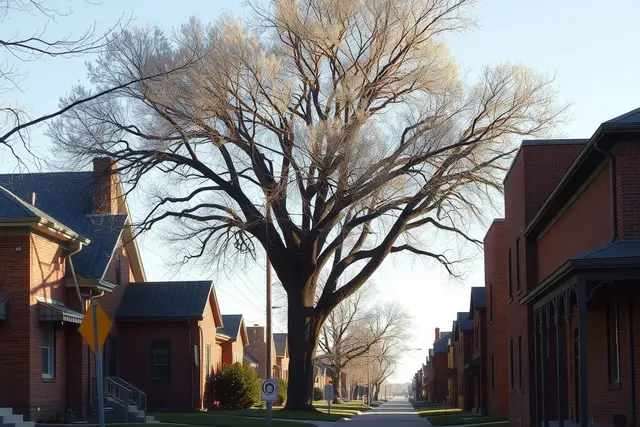
Greeley was laid out with wide streets and big shade trees, and the older neighborhoods still have them, along with the clay sewer laterals underneath. Out on the plains, winter wind also reaches drains that sit in cold spots.
Clogged drain in Greeley?
Answered 24/7
Including holidays and storms
Licensed local plumbers
Licensed in Colorado
Winter-ready
Frozen lines and thaw calls
Price ranges up front
Know the range before they come
Greeley homes and their sewer lines
The neighborhoods around downtown and the University of Northern Colorado have brick homes from the early 1900s through the 1950s, many on clay sewer laterals under cottonwoods and elms. Post-war and 1970s ranches spread west, and much of west Greeley has filled in with newer subdivisions since the 1990s.
Many older homes near campus have been converted to rentals, which brings its own pattern of kitchen and toilet clogs.
Greeley drain problems
Cottonwood and elm roots in clay joints cause most repeat main line backups in central Greeley. Rentals see a steady run of grease and wipe clogs. Open, windy winters make garages and crawlspaces cold enough to freeze drain lines in Greeley, and furnace condensate lines freeze at their outlet.
Greeley by neighborhood
| Area | Typical homes | Common drain issue |
|---|---|---|
| Downtown and near UNC | 1900s–1950s brick homes | Clay laterals, cottonwood roots |
| Central Greeley | 1950s–1970s ranches | Aging laterals, roots |
| West Greeley | 1990s onward | PVC; use-related clogs, frozen garage drains |
| Rental-heavy streets near campus | Older homes | Toilet and kitchen clogs |
Cottonwoods, ditches and Greeley sewers
Greeley was built around irrigation ditches, and cottonwoods line many of them and the older streets nearby. Cottonwood roots are among the most aggressive at finding water, and in older neighborhoods they reach clay laterals readily. If you live near a large cottonwood and your line backs up every year or two, roots are the likely cause.
A typical Greeley call
- 01
The symptom
Toilets gurgle and the basement drain backs up in a brick home near downtown.
- 02
Access
Cleanout in the basement.
- 03
The cause
Cottonwood roots filling a clay joint.
- 04
The plan
Roots cut and jetted; camera shows the joint and two others starting to root.
Plains winters
Greeley's open setting means wind-driven cold reaches garages, crawlspaces and exterior walls during cold snaps. Furnace condensate lines that exit into the wind freeze often. Insulating, keeping garage doors closed and routing condensate lines indoors are the usual fixes.
Before you call
- Note if there's a large cottonwood near the sewer path.
- Find the cleanout.
- Keep everyone off the water until the line drains again.
- If you're a tenant, notify your landlord right away.
Near the University of Northern Colorado
The neighborhoods around UNC have many older homes converted to rentals. More occupants and less attention to what goes down the drain mean more toilet clogs, kitchen clogs and main line backups. Landlords benefit from scoping lines between tenants, adding hair catchers and lint traps, and making sure tenants know where the cleanout is and to call early when drains slow down.
Central Greeley's mid-century homes
Central Greeley neighborhoods built from the 1950s to the 1970s have ranch homes with basements and laterals that are now fifty to seventy years old. Roots from cottonwoods and elms planted decades ago are the main issue, along with joints shifted by clay soils. A camera inspection after the first backup shows which joints are failing and how far from the house.
West Greeley
West Greeley's newer subdivisions have PVC lines and few pipe failures. Calls are mostly use-related clogs and, in winter, frozen drains in garages and frozen furnace condensate lines on the windward side of the house. Insulating garage plumbing and routing condensate lines indoors prevent most of them.
Costs in Greeley
Routine clogs in newer homes fall at the lower end of the ranges on this page. Cottonwood root work in older laterals, and thawing frozen lines during cold snaps, run higher. Bundling a camera inspection with a main line clearing is usually the best value.
More Greeley drain questions
- 01
How often should cottonwood roots be cut?
Usually every year or two, before the season the line backs up.
- 02
Is there an alternative to cutting every year?
Lining the affected joints stops roots from getting back in.
- 03
Who maintains the public sewer?
The City of Greeley's water and sewer department.
- 04
My furnace keeps shutting off in cold weather. Is it the drain?
Often it's a frozen condensate line; thaw it and reroute or insulate it.
Ditch-side properties
Homes along Greeley's irrigation ditches tend to have more cottonwoods and wetter soils nearby, both of which encourage root growth toward sewer lines. If your property backs onto a ditch, keep an eye on drain speed through the summer irrigation season.
Buying in Greeley
For older homes near downtown, UNC and central Greeley, a sewer scope during the inspection period is a smart move. Cottonwood roots and shifted clay joints are common, and the report gives you a clear basis for negotiating a repair or credit. Ask for the video, distances and pipe materials. For newer homes in west Greeley, a scope is less essential but still helpful if the line has a history of clogs or there are large trees nearby.
A seasonal plan for Greeley
Late winter: schedule root cutting for older lines before spring growth. Summer: watch drain speed during dry spells and irrigation season. Fall: insulate garage and crawlspace drains and check the furnace condensate exit before the first cold front. Holidays: keep grease out of the kitchen sink. Following that rhythm keeps most Greeley homes out of emergency territory and makes the drain calls that do happen planned and less costly.
What to tell the plumber
Mention the age of the home, whether there's a cottonwood near the front, whether it's a rental and which fixtures are affected. In winter, mention if the furnace has shut off. Those details help the plumber bring a root cutter, a camera or thawing equipment as needed, so the visit solves the problem rather than just diagnosing it, and you get a clear next step.
After the visit
Keep the invoice and any camera video. Comparing footage over the years shows whether roots are getting worse and when lining becomes worthwhile.
Call if you notice
- Main line backups under big cottonwoods
- A drain that freezes in a windy cold snap
- Toilet and kitchen clogs in a rental near campus
- Furnace shutting down with a frozen condensate line
- Water in the basement floor drain
Greeley drain questions
Why are cottonwood roots such a problem in Greeley?+
Cottonwoods are fast-growing and water-seeking, and many older Greeley streets have both large cottonwoods and clay sewer laterals.
Can my drain freeze in Greeley?+
Yes, in long cold snaps with wind, especially lines in garages, crawlspaces and exterior walls.
Who pays for a clogged drain in a rental?+
Leases differ, but roots and failing pipe in the main are normally the landlord's problem, while a clog from something a tenant flushed may be billed to them.