Arapahoe County · Denver Metro
Drain Cleaning in Byers, CO
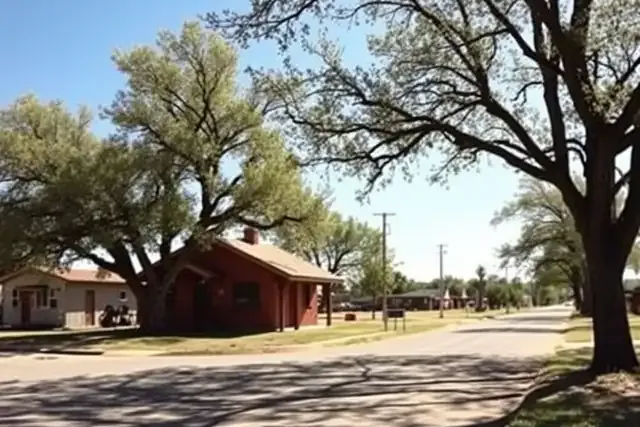
Byers is an unincorporated farm and ranch town on I-70 and the old US 36 east of Strasburg, named for Rocky Mountain News founder William Byers. It has a small town core with older homes and a wide ring of farms and acreage on the plains.
Clogged drain in Byers?
Answered 24/7
Including holidays and storms
Licensed local plumbers
Licensed in Colorado
Winter-ready
Frozen lines and thaw calls
Price ranges up front
Know the range before they come
Byers homes and their sewer lines
Homes in the town core date mostly from the early 1900s through the 1970s, with cast iron drains and clay laterals.
Outside town, farmhouses, manufactured homes and newer homes on acreage rely on wells and septic systems.
Check whether your Byers home connects to a local sewer line or its own septic tank before you call; it changes where the plumber starts.
Byers drain problems
Older town homes see roots in clay laterals and scale in cast iron. Farm and acreage homes back up when septic tanks are overdue or lines to the tank clog. Plains wind and cold freeze drains in crawlspaces, mudrooms and under manufactured homes.
What drain work usually costs in Byers
| Job | Typical range |
|---|---|
| Kitchen or bathroom clog cleared | $125–$300 |
| Main line from a cleanout | $200–$500 |
| Line to a farm septic tank cleared | $200–$550 |
| Thawing a frozen drain | $200–$600 |
| Camera inspection | $150–$400 |
A town named for a newspaperman
Byers takes its name from William Byers, who founded the Rocky Mountain News in Denver in 1859. The town grew up along the Kansas Pacific line and later the highway, serving the ranches and dryland farms that spread across eastern Arapahoe County. It's still a small, quiet place with a school, a few businesses and homes clustered near the old highway.
Older homes in town
Most homes in the Byers town core were built between the early 1900s and the 1970s. Their drains are cast iron under the floor and clay or cast iron out to the line. After many decades, cast iron scales up and clay joints open, letting roots in. A camera inspection from a cleanout shows which is causing a slow main line and whether the pipe needs repair or just cleaning.
Ranches, farms and septic
Around Byers, homes on ranches and farms rely on septic systems and wells. Many tanks have served the same house for decades. When a farm home backs up, the tank is usually the first suspect. If it was pumped recently, a plumber can clear the line from the house and scope it to look for roots, a sag or a broken section.
Mudrooms and cold rooms
Farmhouses often have mudrooms, enclosed porches or utility rooms added onto the main house, with sinks or washers that drain through lines in poorly insulated walls or floors. Those are the first lines to freeze when a cold front blows across the plains. Insulating the line, sealing drafts and keeping the room above freezing prevent most frozen drain calls.
Wind and dust
Eastern Colorado's wind carries fine dust and soil, and some of it ends up in mudroom sinks, floor drains and washers along with mud from boots and work clothes. Grit settles in traps and low spots. A sink strainer and rinsing the worst mud outside keep those lines open.
Keeping a Byers farmhouse drain healthy
- 01
Pump on schedule
Most Byers farm tanks need pumping every three to five years.
- 02
Insulate cold rooms
Mudrooms and porches need protection.
- 03
Strain the utility sink
Keep grit and mud out of the line.
- 04
Scope after a backup
A camera shows whether it will come back.
Byers drain warning signs
- Slow drains everywhere
- Gurgling after the washer runs
- A mudroom drain that freezes
- Sewer smell near the septic tank
- Soggy ground over the field
Manufactured homes
Manufactured homes are common around Byers. Their drains run beneath the floor, protected by skirting and insulation. Gaps in skirting let wind in, and lines freeze. Checking skirting each fall and repairing damaged insulation under the home prevents most problems.
What affects the cost in Byers
Simple clogs are quick. Rural travel, long septic lines, frozen pipe and old cast iron take longer. Give clear directions to your home and say whether you're on sewer or septic.
The old highway through town
Before I-70, the main route east from Denver ran right through Byers on the old highway, and the town's businesses and homes lined it. Today it's quieter, and many of the older buildings along the old highway have been converted, remodeled or left empty for stretches. Old buildings returned to use often have drain lines that dried out or settled while vacant. Running water through every fixture and scoping the main line before moving in prevent surprises.
School, church and community buildings
Byers has a school, churches and community buildings that host events, meals and gatherings. Community kitchens put a lot of grease through drains in a short time. Scraping pans into the trash, using strainers and running hot water after cleanup keep those lines open. The same habits help in any Byers home after a big family meal.
Long lines on big parcels
Some farms and ranches around Byers have houses set far from the road, with septic tanks placed well away from the home. A long line has more places for roots, sags or freezing. Mark the cleanout and tank lids so they can be found quickly, especially under snow. A camera inspection of a long line once every few years catches problems early.
Rain, hail and wet springs
Spring storms on the eastern plains can dump heavy rain or hail in a short time. Septic fields saturated by a storm can't take water, and drains slow until the ground dries. If your Byers home's drains slow after a big storm, cut back on water use for a few days before assuming the line is clogged.
Heading east on I-70
Byers is one of the last towns on I-70 before the long empty stretch toward Limon, and travelers sometimes stop at its gas station and cafe. For residents, that location means plumbers come from the Denver side. Calling early in the day when a drain first slows gives time to get the job done before evening, especially in winter when roads can close.
Byers basements
Some Byers homes have basements dug into the prairie soil, with a floor drain near the furnace or laundry. That drain is the first place a main line backup shows up. Keep the area around it clear and the strainer clean.
Call if you notice
- Slow drains everywhere on a Byers acreage
- Roots in an old clay lateral
- Frozen drains in a mudroom
- Scale in old cast iron
- Wet ground over a septic field
Byers drain questions
Are Byers homes on sewer or septic?+
It depends on location. Many homes outside the town core use septic. Your records or a past pumping bill will tell you.
Why do my drains slow down in a farmhouse?+
An overdue septic tank, roots in the line, or scale in old cast iron are the usual causes.
How can I keep a mudroom drain from freezing?+
Insulate the line, close nearby vents in winter, and keep the room above freezing.