Garfield County · Western Slope
Drain Cleaning in Glenwood Springs, CO
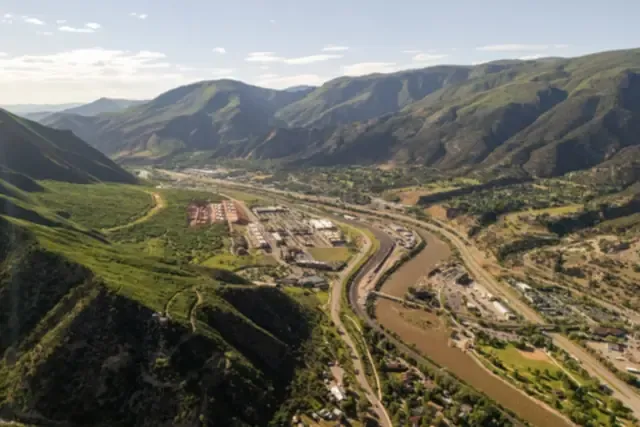
Glenwood Springs sits at about 5,800 feet where the Roaring Fork River meets the Colorado, at the west end of Glenwood Canyon. The hot springs town has old homes near downtown, newer neighborhoods spreading south along the Roaring Fork, and its share of unusual ground.
Answered 24/7
Including holidays and storms
Licensed local plumbers
Licensed in Colorado
Winter-ready
Frozen lines and thaw calls
Price ranges up front
Know the range before they come
Glenwood Springs homes and their sewer lines
The neighborhoods around downtown, south of the Colorado River, have homes from the 1890s through the 1940s, with clay and cast iron drains that have seen many repairs. Mid-century homes fill much of the rest of the older city.
West Glenwood, Park East and the newer neighborhoods to the south along Four Mile Road and the Roaring Fork have homes from the 1970s onward, mostly with PVC laterals.
The City of Glenwood Springs operates the public sewer. Homes up the side valleys and on rural parcels outside city limits are often on septic.
Glenwood Springs drain problems
Roots from big riverside cottonwoods and old street trees get into clay laterals near downtown. Hillside homes have steep, long laterals. Winters bring cold snaps that freeze drains in garages and crawlspaces. Tourism and rentals add grease and wipes to busy lines.
What drain work usually costs in Glenwood Springs
| Job | Typical range |
|---|---|
| Kitchen, bath or laundry clog cleared | $125–$300 |
| Main line from a cleanout | $200–$500 |
| Root cutting in a clay lateral | $250–$650 |
| Sewer camera inspection | $150–$400 |
| Thawing a frozen drain line | $200–$600 |
Old homes near the hot springs
Glenwood grew around its hot springs pool and the grand hotel that opened beside it in the 1890s, and the residential blocks south of the Colorado River filled in over the following decades. Many of those homes still drain through clay laterals laid long ago, under street trees that are now huge. Roots slip into clay joints, and over the decades the joints themselves settle and open. When a downtown-area home has a main line backup, roots are the first suspect.
Two rivers and their cottonwoods
The Colorado and the Roaring Fork both run through town, and their banks are lined with cottonwoods. Homes on streets closest to the rivers, and those near the confluence, sit in the root zone of these trees. Cottonwood roots spread wide and grow fast where water is plentiful. Regular root cutting keeps many of these laterals open, and a camera inspection shows whether a section is broken badly enough to need repair.
Ground that can sink
The Roaring Fork Valley between Glenwood Springs and Carbondale sits over layers of soluble rock, gypsum and salt deposits known to geologists as evaporites. Over time, groundwater dissolves this rock and sinkholes can form, some small and some large enough to damage roads and buildings. A sewer line crossing ground that settles can sag or crack. If you notice a depression in the yard over your lateral, or a new low spot in the driveway, a camera inspection will show whether the line has moved.
Hillside neighborhoods and long laterals
Glenwood fills a narrow valley, so a lot of newer homes climb the slopes south of downtown and along the side roads. Hillside homes often have long laterals running steeply down to a street main. Steep lines usually drain well, but they can have trouble where the slope changes, at a bend or at the connection to the main. If only the lowest fixtures back up, the blockage is likely near the bottom of the run.
Glenwood Canyon, I-70 and visitors
Glenwood is a stop for travelers on I-70, and visitors come for the hot springs, the caverns and the canyon. Many homes host guests or rent part of the house, and a full house puts extra load on drains. When I-70 has closed through Glenwood Canyon, as it did for weeks after debris flows on the 2020 Grizzly Creek Fire burn scar in 2021, travel around the region gets harder. In those stretches, plan for longer response times and keep drains clear by watching what goes down them.
When a Glenwood Springs main line backs up
- 01
Stop running water
Hold off on laundry, showers and dishes.
- 02
Find the cleanout
Older homes may have one near the foundation or in a basement; newer ones by the front of the house.
- 03
Check for low spots
Settling over the line can mean a sag or crack.
- 04
Ask for a camera
It shows whether the cause is roots, a break or a belly.
Glenwood Springs drain warning signs
- Gurgling in the lowest bathroom
- Sewer smell in the yard
- A new dip over the lateral
- Drains that slow each spring
- Frozen lines on cold mornings
Winter in the valley
Glenwood's winters are milder than Aspen's or Vail's, but cold air settles in the valley, and nights below zero happen. Drains running through unheated garages, crawlspaces and exterior walls freeze first. Homes built on slopes often have walk-out levels where drain lines pass close to the cold side of the house. Insulating those spots prevents most freeze calls.
Making a Glenwood Springs call efficient
Tell the plumber how old the home is, whether it's on city sewer or septic, and whether the lot is steep. Mention big trees near the lateral or any sinking ground you've noticed. Clear access to the cleanout and, in winter, shovel it out. Those details help the plumber bring the right tools the first time.
West Glenwood and the river bottoms
West Glenwood, along the Colorado River west of downtown, has homes, mobile home parks and small apartment buildings on flat ground near the water. Lines there are shallow relative to the river level, and the ground can stay damp. In mobile home parks, each home's drain connects to a private park system, so a backup may be the park owner's line rather than yours. Knowing who owns which pipe saves time when you call.
Hot springs lodging and guest suites
Glenwood has many lodges, guest suites and short-term rentals serving visitors to the hot springs pool, the vapor caves and the Glenwood Caverns park on Iron Mountain. Owners of small rentals see the same issues as the lodges on a smaller scale: guests flushing wipes, grease from kitchenettes and hair in showers. A strainer in every shower and a short note about what not to flush go a long way.
Four Mile and the south side
South of town along Four Mile Road and toward Sunlight, homes sit on larger lots in the hills, some on septic and some on city sewer. Snow comes earlier and stays later up there than in downtown Glenwood, and lines between a house and tank or main can freeze in a long cold stretch. Marking the cleanout before the first big snow helps.
Call if you notice
- Roots in an old clay lateral near downtown
- Slow drains in a hillside home with a long line
- Frozen drains in a garage or crawlspace
- Backups in a busy rental
- Grease in a kitchen line
Glenwood Springs drain questions
Who maintains the sewer in Glenwood Springs?+
The city maintains the public mains. The lateral from your house to the main belongs to the owner.
Are roots a problem near the rivers?+
Yes. Cottonwoods along the Colorado and Roaring Fork send roots into nearby clay laterals.
Can sinkholes affect sewer lines here?+
The valley has soluble rock that can form sinkholes. If ground sinks over your line, have it scoped.