La Plata County · Western Slope
Drain Cleaning in Durango, CO
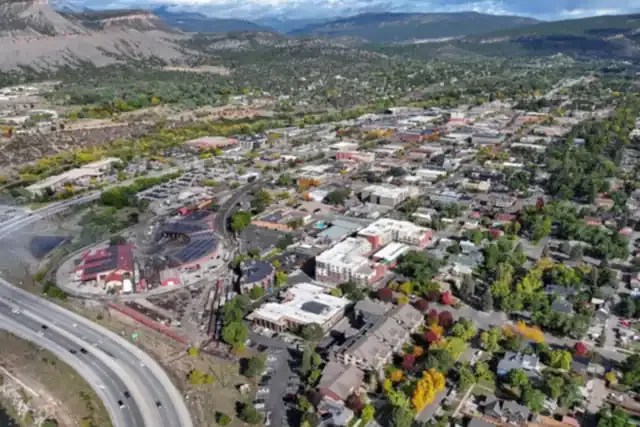
Durango sits at about 6,500 feet along the Animas River, a railroad town from 1880 that's now a college, tourism and outdoor hub for the Four Corners. Its drain calls range from Victorian homes on Third Avenue to student rentals near Fort Lewis College and newer homes on the edges of town.
Answered 24/7
Including holidays and storms
Licensed local plumbers
Licensed in Colorado
Winter-ready
Frozen lines and thaw calls
Price ranges up front
Know the range before they come
Durango homes and their sewer lines
The historic neighborhoods along Main Avenue, Third Avenue and East Second have homes from the 1880s through the early 1900s, many with clay laterals and cast iron that have been repaired piecemeal over the years. Mid-century homes fill neighborhoods like Crestview and the blocks of north Durango toward Animas City.
Newer subdivisions to the south and east, including Three Springs, have PVC laterals and modern fixtures. The City of Durango runs the public sewer and its Santa Rita treatment plant along the Animas.
North of town in the Animas Valley and out on Florida Mesa, many homes sit on acreage with septic systems or small district systems, and long runs from house to tank are common.
Durango drain problems
Big cottonwoods and elms along the river and the old avenues send roots into clay laterals. Student rentals near the college put heavy loads on older lines. Winter at 6,500 feet freezes crawlspace and garage drains, and acreage homes north and south of town have septic backups and long lines that clog.
What drain work usually costs in Durango
| Job | Typical range |
|---|---|
| Kitchen, bath or laundry clog cleared | $125–$325 |
| Main line from a cleanout | $200–$550 |
| Root cutting in a clay lateral | $250–$700 |
| Sewer camera inspection | $150–$400 |
| Thawing a frozen drain line | $200–$600 |
Victorian avenues and old laterals
Durango's historic residential district, centered on Third Avenue with its wide tree-lined median, holds some of the oldest houses in southwest Colorado. Many were built in the 1880s and 1890s and have been updated in stages ever since. Under the yards, laterals may be original clay, replacement cast iron from the mid-1900s, newer PVC, or a mix of all three joined wherever a past repair stopped. The big trees that make those blocks beautiful also put roots into every weak joint.
A camera inspection is the best first step on any main line problem in these homes. It tells you exactly which material is where, and which joints are letting roots in.
The Animas River and its cottonwoods
The Animas runs right through Durango, and cottonwoods line it from the north end of the valley to south of town. Cottonwoods are thirsty, fast-growing trees with roots that travel well beyond the canopy. Homes on streets near the river, from the north side down through the neighborhoods west of downtown, see more root intrusion than homes up on the hillsides. Regular root cutting and, where the pipe is badly damaged, lining or replacing the worst section are the usual fixes.
Fort Lewis College and rental houses
Fort Lewis College sits on the mesa above downtown, and many older homes in town are rented to students or seasonal workers. Rentals with four or five adults put far more water, hair, grease and paper through a lateral than a single family does. Tenants often ignore a slow drain until it backs up. Landlords who scope their laterals between leases and clear roots before fall move-in tend to avoid the emergency calls in the middle of the semester.
Fire scars and runoff
The Missionary Ridge Fire in 2002 and the 416 Fire in 2018 burned large areas of the hills around Durango, and burned slopes shed more sediment and runoff during summer storms. That mostly affects creeks, roads and storm drains, but homes near drainages can see muddy water reach window wells and floor drains in a heavy monsoon storm. If a basement floor drain takes in muddy water, it's worth having the line cleared and checked so silt doesn't settle in it.
Winter at 6,500 feet
Durango's winters are cold, with clear nights well below zero during cold snaps. The ski crowd at Purgatory brings visitors in, and plenty of local homes have drains running through crawlspaces, garages or exterior walls. Those lines freeze when the temperature drops fast. A drain that won't take water during a cold morning, then slowly opens by afternoon, is likely freezing in a cold spot. Thawing it, then insulating or rerouting the line, prevents a repeat.
If your Durango main line backs up
- 01
Stop running water
Hold off on showers, laundry and dishes.
- 02
Find the cleanout
Older homes may have one near the foundation or in a basement; check behind stored items.
- 03
Note the trees
Large trees near the lateral are the most likely cause in older neighborhoods.
- 04
Ask about a camera
Seeing the line after clearing it tells you if the problem will come back.
Durango drain warning signs
- Gurgling toilets when the washer drains
- A basement floor drain that bubbles or smells
- A slow main line every spring
- Drains that freeze on the coldest mornings
- Slow drains in a rural home on septic
Acreage homes north and south of town
In the Animas Valley north of town and out on Florida Mesa to the southeast, many homes sit on larger lots with septic systems or small district systems. The line from house to tank can run a long way, often through ground that freezes in winter. When one of these homes backs up, check the tank's pumping date first, then call for drain cleaning if the tank isn't the cause. Scoping that Animas Valley line out to the tank shows whether it's packed, full of roots or sagging where the ground froze and settled.
Getting the most from a Durango drain call
Tell the plumber the age of the house, whether it's on city sewer or septic, and which fixtures are affected. For historic homes, mention any past repairs you know about. For rentals, say how many people live there. Clear a path to the cleanout, and in winter, shovel it out if it's under snow. Those details help the plumber bring the right equipment and finish in one visit.
Rafting, biking and gear rinse water
Durango households spend a lot of time on the Animas and on trails like those at Horse Gulch, and much of that grit comes home on gear. River sand, trail mud and pine needles rinsed in a laundry tub or utility sink settle in traps and in the first stretch of drain line. A mesh strainer and a hose outside for the worst of it keep those lines from slowing. If a utility sink drain has slowed for months, the sand is likely sitting in the trap arm.
Call if you notice
- Roots in a clay lateral on Third Avenue or East Second
- Backups in a rental with several tenants
- Frozen drains in a crawlspace or garage
- Slow drains in an Animas Valley septic home
- Grease in a busy kitchen line
Durango drain questions
Who maintains the sewer line to my Durango house?+
The city maintains the public main. The lateral from your house to the main belongs to the property owner.
Why do Durango laterals get so many roots?+
Older neighborhoods have large cottonwoods and elms near clay pipe, and roots grow into leaking joints.
Should I scope before buying a historic Durango home?+
Yes. A camera inspection shows the condition of an old lateral before you take it on.