Elbert County · Denver Metro
Drain Cleaning in Elizabeth, CO
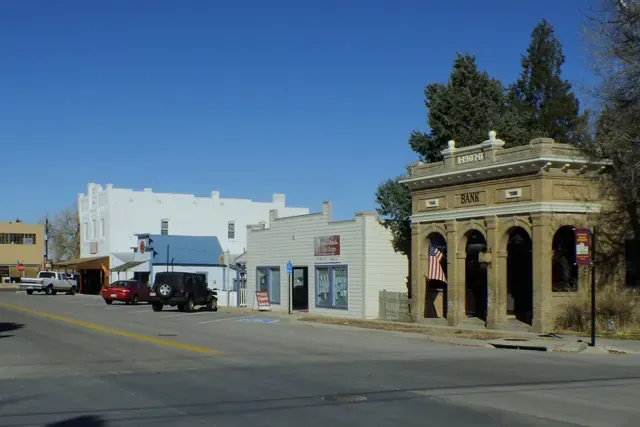
Elizabeth is the largest town in Elbert County, a growing community on rolling, pine-dotted hills southeast of Parker. It mixes a small historic town center, new subdivisions and plenty of acreage homes.
Answered 24/7
Including holidays and storms
Licensed local plumbers
Licensed in Colorado
Winter-ready
Frozen lines and thaw calls
Price ranges up front
Know the range before they come
Elizabeth homes and their sewer lines
The old town center has homes dating back to the early 1900s, some with older clay or cast iron drain lines. Newer subdivisions around it went up from the 1990s onward with PVC.
Homes inside town limits generally connect to the town's sewer system, while most of the acreage properties around Elizabeth use septic systems. The answer decides whether a whole-house backup is a pipe problem or a tank problem.
Many homes here have basements, some finished, and on rolling lots plenty have walk-outs. As anywhere, the lowest drain in the house is where a main line problem shows up first.
Elizabeth drain calls
In town, main line clogs from wipes and grease are common in newer homes, with roots in older ones near the center. On acreage, slow drains often trace back to a septic tank overdue for pumping. Winters here are colder than in Denver, so lines in garages and crawlspaces can freeze.
What drain work usually costs in Elizabeth
| Job | Typical range |
|---|---|
| Sink, tub or shower line cleared | $125–$300 |
| Main line from a basement cleanout | $200–$500 |
| Root cutting in an older in-town lateral | $250–$650 |
| Line to a septic tank cleared | $200–$550 |
| Camera inspection | $150–$400 |
The old town and its pipes
Elizabeth began as a railroad and ranching town, and the blocks around Main Street still have homes from the early 1900s alongside mid-century houses. Older homes here may have clay laterals or cast iron under the house, both of which develop problems after enough decades. Clay joints let in roots from the old shade trees, and cast iron scales up inside and can rust through along the bottom. If you own one of these homes and the main line has backed up, a camera inspection is the quickest way to find out which you're dealing with.
Newer subdivisions around town
Elizabeth has grown quickly, with subdivisions spreading out from the original town since the 1990s. Homes there have PVC laterals that resist roots and rarely break. The clogs that do happen usually come from wipes, grease and laundry lint, and they clear easily. The exception is settling: in the first several years after construction, backfill around a new sewer line can compact and leave a slight low spot where solids collect.
Acreage homes and septic
Outside town limits, most Elizabeth-area homes sit on acreage with wells and septic systems. When a septic home backs up, the tank or field is often to blame rather than the pipe. Checking pumping records before calling saves time. If the tank is in good shape, a plumber can clear the line to the tank and, if needed, run a camera to see whether there's a sag or damaged section.
If your Elizabeth home backs up
- 01
Stop water use
Hold off on laundry, showers and dishes until the line is clear.
- 02
Check the lowest drain
Water at the basement floor drain usually means the main line.
- 03
Know your system
Town sewer or septic decides who to call first.
- 04
Find the cleanout
Often in the basement near the front wall, or outside near the foundation.
Common Elizabeth drain calls
- Wipes and grease in a newer subdivision main
- Roots in an old clay lateral near Main Street
- Septic backups on acreage properties
- Frozen lines in unheated garages
- Lint from washers draining to a floor drain
Winter in Elbert County
Elizabeth sits higher than Denver and gets colder, windier winters. Lines in unheated garages, crawlspaces and walls on the north side of a house are the most likely to freeze. A few precautions go a long way: keep garage doors closed, open cabinet doors under sinks on exterior walls during deep cold, and keep heat on in any space with plumbing.
Buying in and around Elizabeth
For in-town homes built before about 1980, a sewer scope is a sensible part of the inspection. For acreage homes, plan on a separate septic inspection, and consider a camera inspection of the line from the house to the tank if the house is older or has had backups. Together, they cover the most expensive surprises a buyer can run into here.
Costs in Elizabeth
Most clogs in newer Elizabeth homes clear near the bottom of the ranges above. Older homes around the town center, with clay or cast iron lines, take more time when roots or scale are involved, and a camera inspection adds to the first visit but often saves money over the following years. On acreage, travel, long runs to the tank and frozen lines are what push a bill upward. If your home has backed up more than once, ask for the camera video on the first visit so any later plumber can see exactly where the trouble sits.
Running Creek and low ground
Parts of the Elizabeth area drain toward Running Creek and the low ground along it. Homes near drainages can see high groundwater during a wet spring, which affects septic fields and can push water toward basements. If your basement floor drain or sump runs more in spring, or your septic system struggles after heavy snowmelt, mention it when you call. It helps separate a pipe problem from a water-table problem, and the fix is different for each.
Basements and backwater valves
Many Elizabeth homes have full basements, often finished with bedrooms and family rooms. If your in-town home has backed up into the basement before, ask about a backwater valve on the main line. It lets water out but closes if sewage tries to flow back in from the street. It doesn't replace regular maintenance, but it protects finished space if a public main backs up.
Details that help on an Elizabeth call
Say whether you're inside town limits or on acreage, whether you're on town sewer or septic, which fixtures are affected and roughly when the house was built. If you know where the cleanout is, mention it. If you're out of town on a gravel road, a note about the drive helps the plumber plan the trip.
Call if you notice
- Basement floor drain backing up
- Roots in an older in-town lateral
- Slow drains on a septic property
- Frozen garage or crawlspace lines
- Wipes catching in a newer main
Elizabeth drain questions
Who maintains the sewer main in Elizabeth?+
The town maintains its system. The lateral from your house to the main is yours.
My acreage home is backing up. Is it the tank?+
If it hasn't been pumped in a few years, likely. A plumber can confirm whether the line is open.
Are older Elizabeth homes worth scoping?+
Yes, especially near the old town center where lines may be clay or cast iron.