Logan County · Northern Colorado
Drain Cleaning in Sterling, CO
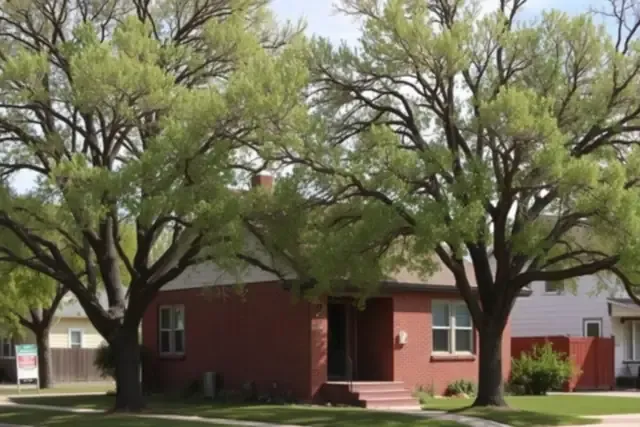
Sterling is the Logan County seat and the largest town in northeastern Colorado, at about 3,900 feet on the South Platte River. It's a farm and rail town with tree-lined streets of older brick homes, and those trees and old pipes drive most of its drain calls.
Clogged drain in Sterling?
Answered 24/7
Including holidays and storms
Licensed local plumbers
Licensed in Colorado
Winter-ready
Frozen lines and thaw calls
Price ranges up front
Know the range before they come
Sterling homes and their sewer lines
The neighborhoods around downtown have brick bungalows and two-story homes from the 1900s through the 1940s, with clay laterals running to alley mains under large old trees.
Ranch homes from the 1950s through the 1970s fill much of the rest of town, with cast iron under the floor and clay or early plastic outside. Newer homes on the edges of town have PVC.
The City of Sterling operates the public sewer. Farm homes in the surrounding county are on septic.
Sterling drain problems
Roots are the main cause of backups in older Sterling homes, from elms, cottonwoods and other big trees near clay laterals. Basements in old brick homes show main line clogs first. Cast iron under older homes scales up, and cold plains winters freeze drains in crawlspaces and garages.
What drain work usually costs in Sterling
| Job | Typical range |
|---|---|
| Sink, tub or toilet clog cleared | $125–$300 |
| Main line from a basement cleanout | $200–$500 |
| Root cutting in a clay lateral | $250–$650 |
| Sewer camera inspection | $150–$400 |
| Line to a septic tank cleared | $200–$550 |
The City of Living Trees
Sterling calls itself the City of Living Trees, after the sculptures carved from the trunks of dead trees around town, many of them elms. Those carvings are a reminder of how much Sterling has always cared about its shade trees, and how big those trees grew. On older blocks, mature trees stand right over clay laterals running to alley mains. Roots find every joint that weeps a little water and grow into a mat that catches paper and grease.
Brick homes with basements
Many of Sterling's older homes are brick bungalows and two-story houses with full basements, built from the early 1900s through the 1940s. In those homes, the basement floor drain or a basement toilet is the lowest fixture, and it's the first to show a main line backup. If water comes up through the basement floor drain when the washer empties, the main line is the likely cause, not the floor drain itself.
Alley mains and long laterals
Like many plains towns, Sterling's older neighborhoods have alleys, and many laterals run out the back of the house to a main in the alley. Those laterals pass under back yards, garages and the big trees along the alley. A camera with a locator can trace exactly where the line runs, which matters when it passes under a garage slab or a tree you'd like to keep.
Water treatment and scale
Sterling's water comes from wells, and the city built a reverse osmosis treatment plant that came online in 2013 to deal with uranium and other minerals in the groundwater. The finished water is a blend, softer than the raw well water but still moderately hard. Decades of harder water before that left scale in older cast iron and galvanized drain lines, and that scale catches hair and soap. Older homes with several slow drains may have scaled pipe behind the walls.
Farm homes around Logan County
Outside town, farm homes across Logan County use septic systems, often with older tanks and fields. When a farm home backs up, pumping the tank is usually the first step. If the tank is current, a plumber can clear the line from the house and run a camera to see what's causing the trouble.
If your Sterling home backs up
- 01
Stop water use
No laundry, showers or dishes.
- 02
Check the basement
Water rising at a Sterling basement floor drain points to the main line.
- 03
Find the cleanout
Often in the basement near the back wall in older homes.
- 04
Ask about roots
A camera after clearing shows how bad they are.
Sterling drain warning signs
- Water at the basement floor drain
- Toilets that gurgle when the washer drains
- Slow drains that improve after a cleaning, then return
- Sewer smell in the basement
- A soggy spot over the lateral
Plains winters
Sterling's winters bring wind, blowing snow and cold snaps well below zero. Drains in crawlspaces, unheated garages and exterior walls freeze first. Older brick homes with basements usually keep their main drains warm, but additions built over crawlspaces may not. Insulating those spaces prevents most freeze calls.
Students and rentals
Northeastern Junior College brings students to town, and many older homes nearby are rentals. More people in an older home puts more load on an old lateral. Landlords do well to cut roots before the fall semester and to give tenants a short list of what not to flush.
What affects a Sterling bill
Simple clogs are quick. Root-packed laterals under alleys, scaled cast iron and farm septic lines take longer. A camera inspection on the first main line call costs a little more but shows whether the problem will come back.
The South Platte and high groundwater
Sterling sits on the South Platte River bottom, and groundwater can be fairly shallow in lower parts of town, especially when the river runs high in late spring and the irrigation ditches are full. A cracked lateral below the water table takes in water and fine sand, which settles in the line and narrows it. If a Sterling home's main line clogs with sand rather than roots, groundwater getting in through a crack is the likely reason.
Sugar beet days and mid-century growth
Sterling's sugar factory and the farm economy around it drove the town's growth through the mid 1900s, and many ranch homes from that era line streets away from downtown. Those homes are now sixty or seventy years old, with cast iron under the floor and laterals that have outlived their expected life. Scoping the lateral before a sale, or before finishing a basement, saves surprises later.
Sterling's oldest blocks and repeat roots
The blocks closest to downtown Sterling have some of the largest trees in town and some of the oldest laterals. Root cutting is routine there. If you've had roots cut more than twice, ask for a camera inspection to see whether the pipe itself has cracked, because roots growing back quickly often mean a broken joint.
Some homeowners choose to line or replace just the worst section, which can stop the cycle without replacing the whole lateral.
Call if you notice
- Roots in a clay lateral under a big old tree
- Water at a basement floor drain
- Scaled cast iron in a 1950s ranch
- Frozen drains in a crawlspace
- Slow drains in a Logan County farmhouse on septic
Sterling drain questions
Who maintains the sewer in Sterling?+
The city maintains the public mains. Sterling homeowners are responsible for their own lateral, usually the line running back to the alley main.
Why do roots grow into Sterling sewer lines?+
Old neighborhoods have big trees right next to clay laterals, and roots find leaking joints.
Is Sterling's water hard?+
The city treats its well water with reverse osmosis and blends it, so it's softer than raw well water but not fully soft.