Jefferson County · Foothills & Mountains
Drain Cleaning in Indian Hills, CO
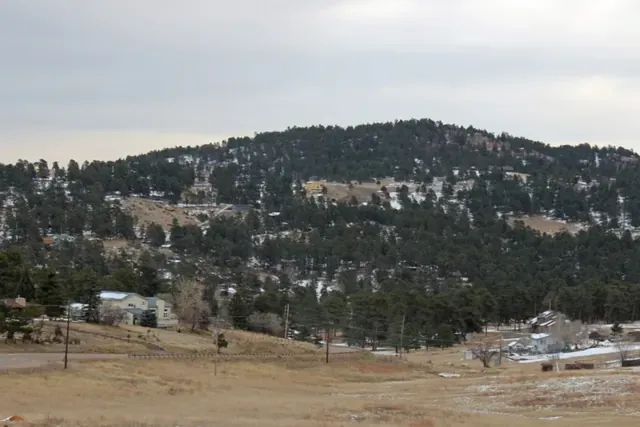
Indian Hills is a foothills community in Jefferson County off US 285 and Parmalee Gulch Road, next to Mount Falcon Park, at about 7,000 feet. Many homes began as summer cabins in the 1920s and 1930s and have been expanded into year-round houses, on steep granite lots with wells and septic.
Answered 24/7
Including holidays and storms
Licensed local plumbers
Licensed in Colorado
Winter-ready
Frozen lines and thaw calls
Price ranges up front
Know the range before they come
Indian Hills homes and their sewer lines
A lot of Indian Hills homes started as small cabins and grew through additions over the decades, so drain lines can be a patchwork of eras and materials.
Newer homes from the 1970s onward sit on larger wooded lots up the side gulches.
Most homes rely on their own septic systems, often on sloped ground with shallow soil over rock.
Indian Hills drain problems
Most Indian Hills calls involve a septic backup or a clog somewhere between the house and the tank. Shallow soil over granite limits how deep lines can be buried, so they freeze in cold snaps. Additions tied into old cabin plumbing create awkward joints that catch debris, and pine roots find leaks.
What drain work usually costs in Indian Hills
| Job | Typical range |
|---|---|
| Kitchen or bathroom clog cleared | $125–$325 |
| Hillside run out to the septic tank | $200–$550 |
| Thawing a frozen drain or septic line | $200–$600 |
| Camera inspection to the tank | $150–$400 |
| Root cutting in an older line | $250–$650 |
From summer cabins to year-round homes
Indian Hills began in the 1920s as a mountain getaway for Denver families, with small cabins tucked into the pines along Parmalee Gulch. Over the following century, most of those cabins were winterized, expanded and lived in year-round. Each expansion added plumbing: a bigger kitchen, a second bathroom, a laundry room. The newer pipe ties into older pipe at different points, and those connections, along with old galvanized or cast iron sections, are where clogs tend to form.
Granite close to the surface
The foothills around Indian Hills are mostly decomposed granite and solid rock with a thin layer of soil. Builders couldn't always dig deep, so drain and septic lines are often shallower than they would be on the plains. Shallow lines are more likely to freeze in a deep cold snap, especially on north-facing slopes and under driveways where plowing removes the snow that would otherwise insulate the ground.
Septic on a slope
Septic systems in Indian Hills sit wherever the lot allowed, often downhill from the house, sometimes a long way down. A long, sloped line usually drains well, but it can clog at bends and where it enters the tank. When a backup happens, check when the tank was last pumped. If it's current, a plumber can clear the line from a cleanout and send a camera to the tank to see what's happening.
Mount Falcon and the pines
Indian Hills borders Mount Falcon Park, and ponderosa pine covers most of the community. Pine roots aren't as aggressive as cottonwood roots, but they still follow moisture, and an older line with a weeping joint will draw them. Along the gulch bottoms, willows and other water-loving plants add to the mix.
Wells, water and fixtures
Homes in Indian Hills draw water from wells or a local water district, depending on location. Well water in the foothills can carry iron and minerals that stain fixtures and build up in drains. Hair and soap catch on that buildup in tub and lavatory drains. Regular cleaning of those drains keeps them moving.
Winter steps for an Indian Hills home
- 01
Keep heat on in cold spaces
Crawlspaces and additions with plumbing need protection.
- 02
Don't plow over the septic line
Snow cover insulates shallow pipe.
- 03
Fix drips
A trickle into a cold line can freeze into a plug.
- 04
Mark the cleanout
Steep lots and snow can hide it.
Indian Hills drain warning signs
- Slow drains everywhere at once
- A line that stops during a deep freeze
- Gurgling where an addition joins the house
- Sewer smell near the tank lids
- Wet patches downhill from the house
Access on steep lots
Many homes sit above or below the road on steep driveways, with long stairs to the front door. A plumber may need to carry equipment a long way, and in winter the driveway may be icy. Clearing a path and mentioning steep or tight access when you call helps the job go smoothly.
What affects the cost in Indian Hills
Simple clogs are routine. Long septic lines, rock, steep access and frozen pipe take more time. Tell the plumber where the tank and cleanout are, how steep the driveway is and whether the home has had a freeze before.
Parmalee Gulch and the main road
Parmalee Gulch Road winds up from US 285 through the heart of Indian Hills, and many homes sit just above or below it on steep lots. Homes below the road may have drain lines that run away from the street to a septic tank downhill. Homes above may have long lines running down toward the road. Either way, a long, steep line is common, and the bottom of the run is where clogs usually form.
Wildfire risk and defensible space
Indian Hills residents live with wildfire risk, and many have thinned trees and cleared brush around their homes. When planning that work, keep heavy equipment off the septic tank, field and lines. Tracked or wheeled machines can crush shallow pipe or compact a field. Mark the system before any tree work begins.
Kitchens and grease in a septic home
In a septic home, grease does double damage: it clogs the kitchen line and it floats in the tank, eventually reaching the field and sealing the soil. Scraping pans into the trash, using a strainer and never pouring fat down the drain protect both the pipe and the septic system. Garbage disposals add solids to the tank and shorten the time between pumpings.
Buying an older Indian Hills home
Before buying in Indian Hills, ask for a septic inspection and a camera run of the line from the house to the tank. Jefferson County has rules about septic inspections when homes change hands. The camera shows whether old cabin plumbing, roots or a sag are waiting to cause trouble.
Mount Falcon trail traffic
Mount Falcon Park's west trailhead sits up the road from Indian Hills, and weekend hikers pass through the community. For residents, that mostly means traffic, but it also means parking on narrow roads can be tight. Tell the plumber where to park when you call.
Call if you notice
- Slow drains in a hillside septic home
- A shallow line to the tank freezing
- Clogs where an addition joins old cabin plumbing
- Roots from pines near a leaking joint
- Sewer smell near the tank lids
Indian Hills drain questions
Are Indian Hills homes on septic?+
Most are. Lines from the house to the tank often run downhill over shallow, rocky ground.
Why do lines freeze here?+
Granite near the surface limits burial depth, so lines sit closer to the cold.
Can a plumber clear a line to the septic tank?+
Yes, and scope it. Pumping the tank is a septic company's job.