Rio Grande County · Southern Colorado
Drain Cleaning in South Fork, CO
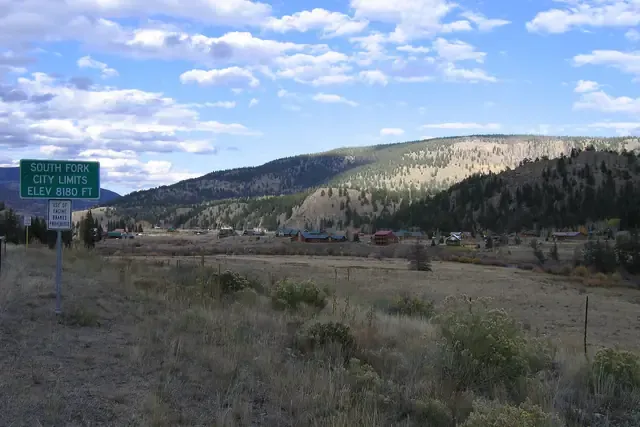
South Fork is a mountain town of about 510 year-round residents in Rio Grande County, where the South Fork joins the Rio Grande at roughly 8,200 feet, at the foot of Wolf Creek Pass on US 160. A stage stop served the railroad's push toward the Creede silver mines from 1882, timber and mining carried the town for decades, and it became Colorado's youngest statutory town in May 1992. Summer brings far more people than the census counts.
Answered 24/7
Including holidays and storms
Licensed local plumbers
Licensed in Colorado
Winter-ready
Frozen lines and thaw calls
Price ranges up front
Know the range before they come
South Fork homes and their sewer lines
South Fork housing is cabins, log homes, manufactured homes and RV lots along the rivers, plus newer second homes on wooded lots in the subdivisions off US 160 and State Highway 149.
Some South Fork properties are on public water and sewer and many outside the core rely on wells and septic systems, so the first question on any call is which one your place has.
Older South Fork cabins often have plastic or galvanized lines that were added piece by piece; newer homes have PVC throughout.
South Fork drain problems
South Fork drain calls are tied to elevation and seasonal use. At over 8,000 feet, drains in cabins that sit empty freeze hard, septic systems built for weekends get full summer loads, and spruce and aspen roots work into lines on wooded lots.
What drain work usually costs in South Fork
| Job | Typical range |
|---|---|
| Kitchen, bath or toilet clog | $125–$300 |
| Main line or septic line cleared | $200–$550 |
| Thawing a frozen drain or line | $200–$650 |
| Root cutting | $250–$650 |
| Camera inspection | $150–$400 |
A stage stop at the foot of Wolf Creek Pass
South Fork grew at the meeting of the South Fork and the Rio Grande, where a coaching stop served the railroad's push upriver to the silver camp at Creede beginning in 1882. Sawmills and mining kept it going for most of a century, and timber milling ran here for decades. Tourism has since taken over as the biggest employer: fishing on the Rio Grande, hunting, and traffic heading over Wolf Creek Pass on US 160 or up State Highway 149 toward Creede and Lake City.
The town incorporated in May 1992, making it the youngest statutory town in Colorado. The census counts about 510 residents, but summer residents and visitors swell the population well past that.
Fire, beetles and the forest around town
In June 2013, the West Fork Complex fire burned nearly 110,000 acres of beetle-killed spruce in the mountains west of town and forced South Fork to evacuate. Spruce beetles had killed much of the forest above the town, and dead stands remain on the slopes. For drain lines, the forest matters in two ways: roots from living spruce and aspen on wooded lots find their way into septic lines, and a home that sat empty during or after an evacuation may need its traps and lines checked when it's reopened.
Sewer or septic: know which you have
Some South Fork properties are connected to public sewer, and many homes and cabins outside the core use private septic systems. The first question a plumber will ask is which you have, since it changes where the clog is likely to be and what the fix looks like. If you're not sure, a previous pumping receipt, your property records or a look for a septic tank lid in the yard will tell you.
Seasonal homes and frozen lines
At 8,200 feet, South Fork gets long, cold winters, and many cabins sit empty for weeks or months. A cabin left with the heat off or turned too low can freeze its drains and traps, and a frozen trap can crack. Properly winterizing a seasonal South Fork home, with water shut off, lines drained and traps treated with non-toxic RV antifreeze, prevents most spring surprises. If you keep the heat on, have someone check it during long cold spells.
Summer crowds on systems built for weekends
Many South Fork septic systems were sized for a couple of people on weekends, then end up serving a full house of family or renters every week of summer. Tanks fill faster and fields take more water than they were designed for. Pump more often if the house is busy, spread laundry across the week and keep wipes and grease out of the drains. For rentals, a trash can in every bathroom and a note about what not to flush prevent a lot of calls.
If a South Fork drain backs up
- 01
Stop using water
In a South Fork cabin on septic, every gallon adds to the problem.
- 02
Check for ice
If the house was cold, a frozen line or trap is likely.
- 03
Find the cleanout or tank lid
Mark them so a plumber can reach them quickly, even under snow.
- 04
Say whether it's sewer or septic
It tells the plumber where to start.
South Fork warning signs
- A South Fork cabin drain that won't empty after the heat was off
- Slow drains throughout the house in midsummer
- Gurgling toilets
- Wet ground or odor over a septic field
- Roots on the cable
What changes the price in South Fork
A South Fork call usually means a drive up US 160 from Del Norte or Monte Vista, and in deep winter a snowed-in driveway or an unplowed road to a cabin adds time before the work even starts. Thawing a frozen line in a cabin that sat cold for a week, locating and digging out a buried septic lid, or cutting spruce roots out of a long line on a wooded lot all push the price toward the top of the table. Shovel a path to the cleanout or tank lid if you can, and ask what the trip will cost before the plumber heads up the canyon.
RV lots, campgrounds and dump-station habits
South Fork has a lot of RV parks, campgrounds and lots where a trailer sits on its own sewer hookup or septic connection for the summer. RV toilets use very little water, and when an RV is hooked to a house line or a small septic system, solids can settle in the hookup pipe and the first stretch of the line. Leaving the black tank valve open all the time is a common cause: liquid drains away and solids stay behind. Keep the valve closed until the tank is mostly full, then dump it all at once so the flush carries the solids through. Use toilet paper that breaks down quickly, and have the hookup line cleared if it starts to slow.
At the end of the season, drain and winterize the RV line along with the cabin plumbing, since a hookup pipe that holds water will freeze at 8,200 feet.
Call if you notice
- A frozen drain in a South Fork cabin left without heat
- A septic system strained by a full house in July
- Roots from spruce or aspen in a line on a wooded South Fork lot
- A dry-trap sewer smell when a seasonal home is reopened
- Grease and wipes in a rental cabin's line after a busy week
South Fork drain questions
Is my South Fork home on sewer or septic?+
It depends on location. Some properties near town are on public sewer and many on wooded lots use septic; your tax records or a previous pumping receipt will tell you.
How do I keep South Fork drains from freezing while I'm away?+
Keep heat on, or have the plumbing properly winterized with drains and traps treated with non-toxic antifreeze, before leaving a South Fork cabin for the winter.
Where do plumbers serving South Fork come from?+
Most come from Del Norte, about 15 miles east on US 160, or from Monte Vista.