Pueblo County · Southern Colorado
Drain Cleaning in Avondale, CO
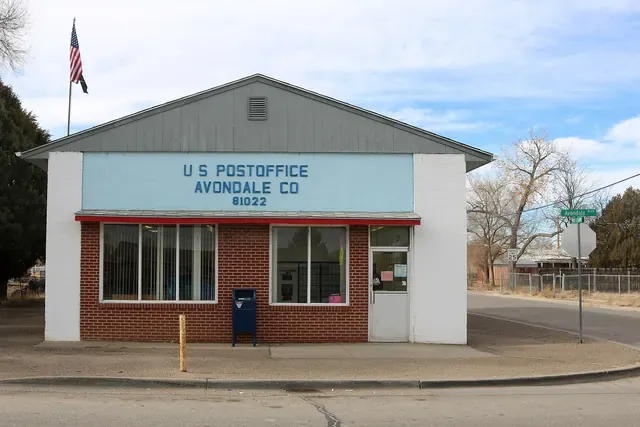
Avondale is an unincorporated farm community about 16 miles east of Pueblo on US 50, sitting mostly on a bluff above the Arkansas River. Irrigated fields of corn, alfalfa and beans surround it, and the Orchard Park subdivision sits on its eastern edge.
Answered 24/7
Including holidays and storms
Licensed local plumbers
Licensed in Colorado
Winter-ready
Frozen lines and thaw calls
Price ranges up front
Know the range before they come
Avondale homes and their sewer lines
Avondale's homes are a mix of older farm-town houses, mid-century ranches and manufactured homes, with newer houses scattered on larger lots around the edges.
The Avondale Water and Sanitation District serves about 419 water taps in Avondale and 110 in Orchard Park. Homes on outlying farm parcels have their own septic systems.
Most homes are single-story, with drain lines running under slab floors or through short crawlspaces.
Avondale drain problems
Avondale's irrigated land sets the pattern for its drain calls. The district notes that shallow groundwater rises soon after irrigation starts each season and drops a few months after it stops, so older lines with open joints take in water and soil in summer, and septic fields drain slowly during the wettest months. Cottonwoods along the river and ditches add roots to the mix.
What drain work usually costs in Avondale
| Job | Typical range |
|---|---|
| Kitchen or bathroom clog cleared | $125–$300 |
| Main or septic line cleared | $200–$550 |
| Root cutting near ditches and the river | $250–$600 |
| Camera inspection | $150–$400 |
| Hydro jetting silt from a line | $350–$900 |
A farm town on the bluff
Avondale sits mostly on a bluff above the Arkansas River, east of Pueblo along US 50, with irrigated farms all around. The Avondale Water and Sanitation District covers about 3.75 square miles of homes and businesses, including the Orchard Park subdivision on the east side. The district has been working to bring in water from the Arkansas Valley Conduit, a federal project drawing from Pueblo Reservoir, with help from Pueblo County.
Groundwater that follows the ditches
The district describes a pattern every Avondale homeowner with septic should know: shallow groundwater rises soon after irrigation begins in spring and falls a few months after the water is shut off in fall. When the water table is high, septic fields accept water more slowly, and older drain lines with open joints can take in water and silt. Drains that slow down from late spring through summer and recover in late fall fit that pattern.
Roots from the river and the ditches
Cottonwoods and willows grow along the Arkansas and the irrigation ditches around Avondale. Their roots grow quickly in damp ground and enter lines through any gap. Root cutting clears them, and a camera inspection shows where they enter.
Homes on slabs
Many Avondale homes are single-story ranches or manufactured homes on slabs or short crawlspaces. In a slab home, drain lines run under the concrete, so a clog or break under the floor is harder to reach. A camera inspection from a cleanout or roof vent finds where the problem is before anyone talks about breaking concrete.
Silt in the lines
Where groundwater carries fine soil into an older line, silt settles in low spots and builds up over time. A cable punches a hole through it, but the silt returns. Hydro jetting flushes it out, and fixing the joints that let it in stops it from coming back.
If your Avondale home backs up
- 01
Stop water use
Hold off on laundry and long showers.
- 02
Check the season
Is irrigation water running? High groundwater may be part of the problem.
- 03
Know your system
Tell the plumber whether the house is on sewer or septic.
- 04
Find the cleanout
It may be outside near the foundation or on the roof vent.
Avondale drain warning signs
- Drains slowing once irrigation starts
- Gurgling toilets in a slab home
- Wet ground over the septic field in summer
- Sewer smell outside
- Backups that ease in late fall
Septic care in a high-water area
Spreading out laundry, fixing running toilets and avoiding heavy water use during high-groundwater months reduce strain on a drain field. Pumping the tank on schedule keeps solids from reaching the field.
What affects the cost in Avondale
A simple clog is quick. Silt, roots, slab access and septic lines take more time. Telling the plumber whether irrigation is running and how the house drains helps them come prepared.
Orchard Park and the eastern edge
Orchard Park, on Avondale's eastern edge, is served by the same water district. Homes there and on the farm parcels nearby sit close to irrigated ground, so the seasonal groundwater pattern is often strongest on this side of town. If your Orchard Park home has drains that slow down in summer, have a camera check whether water is getting into the line.
When the conduit water arrives
The Arkansas Valley Conduit is meant to bring treated water from Pueblo Reservoir to Avondale and other valley towns that have relied on local supplies. Better water won't fix a drain line, but if the district switches sources, homeowners may notice changes in scale and fixtures over time. Older galvanized and cast iron drains in Avondale homes already carry years of mineral buildup, and that existing scale is what catches hair and grease today.
Hot summers and roots
Summers in the lower Arkansas Valley are long and hot. Trees draw hard on any water they can find, and a leaking joint in a sewer line is an easy target. In Avondale, the combination of high groundwater and summer heat makes late spring the right time for root cutting, before roots fill the line.
Preventing summer backups in Avondale
- 01
Pump the tank on schedule
A full tank pushes solids into a field already slowed by groundwater.
- 02
Spread out laundry
One load a day is easier on a wet field than five on Saturday.
- 03
Cut roots in spring
Before summer growth fills the line.
- 04
Fix leaks
A running toilet adds hundreds of gallons a day to the system.
Single-story homes and the lowest drain
In a single-story Avondale home on a slab, there is no basement floor drain to warn you. The first sign of a main line problem is usually the lowest fixture, often a tub or shower, filling with dirty water when a toilet is flushed or the washer drains. Stop using water when that happens; the line between the house and the tank or main is plugged.
Call if you notice
- Slow septic drains once irrigation water starts running
- Roots from cottonwoods along ditches and the river
- Toilets gurgling in a home on a slab
- Wet spots over the septic field in midsummer
- Backups that clear up in late fall
Avondale drain questions
Why do Avondale septic systems struggle in summer?+
Groundwater rises after irrigation begins. A wetter field accepts water more slowly, so drains in the house can slow until it drops again.
Who supplies water in Avondale?+
The Avondale Water and Sanitation District serves Avondale and Orchard Park.
Can a plumber tell if groundwater is getting into my line?+
A camera inspection shows water seeping in at joints and the silt it carries.