Cheyenne County · Southern Colorado
Drain Cleaning in Cheyenne Wells, CO
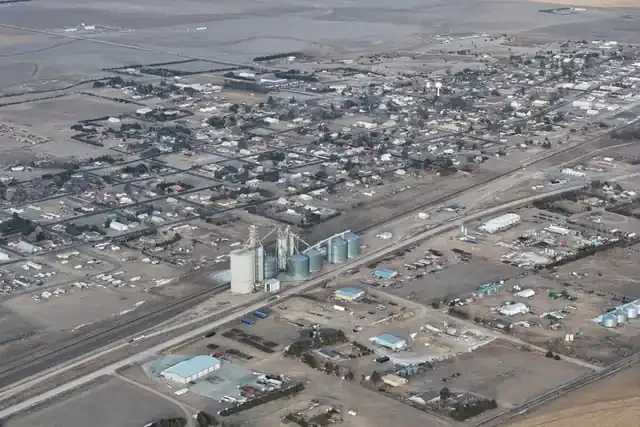
Cheyenne Wells is the seat of Cheyenne County, a town of about 760 people on US 40 and US 385 near the Kansas line, at roughly 4,290 feet. It is named for water wells near the townsite that Cheyenne people dug and kept up. The post office opened in May 1876, the county was created in 1889 with Cheyenne Wells as its seat, and the town incorporated in May 1890.
Answered 24/7
Including holidays and storms
Licensed local plumbers
Licensed in Colorado
Winter-ready
Frozen lines and thaw calls
Price ranges up front
Know the range before they come
Cheyenne Wells homes and their sewer lines
Cheyenne Wells homes are mostly modest frame and brick houses on the town grid north of the Union Pacific tracks, many built between the 1910s and the 1960s, plus manufactured homes and farmhouses on the wheat and grazing land outside town.
Water and sewer inside town are municipal; ask the Town of Cheyenne Wells about the main in front of your house. Farms and ranches in the county rely on private wells and septic systems.
Older Cheyenne Wells houses commonly have cast iron under the floor and clay tile to the main; a few have had the lateral swapped for PVC during remodels.
Cheyenne Wells drain problems
Cheyenne Wells drain calls usually trace to old pipe and plains weather. Clay laterals crack and take in roots from the elms and cottonwoods planted for shade, cast iron rusts, and January wind drives cold into crawlspaces where drains run close to the outside wall.
What drain work usually costs in Cheyenne Wells
| Job | Typical range |
|---|---|
| Kitchen, bath or toilet clog | $125–$300 |
| Main line cleared to the town main | $200–$550 |
| Root cutting in a clay lateral | $250–$650 |
| Thawing a frozen drain | $200–$600 |
| Camera inspection | $150–$400 |
| Ranch septic line cleared | $200–$550 |
Wells on the Smoky Hill route
Cheyenne Wells takes its name from water. Cheyenne people found and kept up wells near the townsite on the dry plains, and travelers on the trails toward Denver stopped for that water long before there was a town. The post office opened in May 1876, the Kansas Pacific line through the area brought settlers and cattle, and when Cheyenne County was created in March 1889 the town became its seat. It incorporated in May 1890.
The Union Pacific still runs beside US 40 through town, grain elevators stand along the tracks, and the Ladder Creek helium plant nearby is one of only a handful of helium plants in the world. Around 760 people live here, and the county around it is wheat, grazing land and long distances.
Old houses on a small grid
Cheyenne Wells is compact, and most homes on its grid were built between the 1910s and the 1960s, with some newer houses and manufactured homes filling lots and edges. That age matters underground. Many houses still drain through the original cast iron inside and clay tile out to the town main. Cast iron rusts from the inside, leaving rough scale that catches grease and paper. Clay joints separate. A Cheyenne Wells line that has been fine for decades can start backing up once one of those weak spots gives way.
Town water and sewer, and your lateral
Inside town limits, water and sewer are municipal, and the town is responsible for the mains in the street or alley. The lateral from the house to the main, cleanout included, is the homeowner's. Because Cheyenne Wells has wellhead protection areas around its public water wells, it's also worth knowing that a leaking private sewer line is not just a nuisance; ask the town if you are unsure where your line runs or whether a repair needs a permit. If several houses on a block back up together, call the town as well as a plumber, since a blocked public main is the town's job.
Shade trees and dry ground
The shade trees around Cheyenne Wells homes, mostly elms and cottonwoods, were planted by hand and watered for years, and their roots spread wide in search of moisture. On a lot where the only steady water underground is a cracked clay sewer joint, roots will find it. Root growth makes a line slow down gradually, then back up all at once when a wad of paper catches on the roots. A camera inspection after cutting shows whether the line has one problem joint or many.
Plains cold in a crawlspace
The Cheyenne Wells weather station has recorded 31 below zero, and February cold snaps come with steady wind across open country. Drains that run in crawlspaces near foundation vents, in additions built on piers or under manufactured homes are the most likely to freeze. A frozen drain usually shows up as a fixture that will not empty on a cold morning while everything else works. Keep vents closed in winter, keep the skirting tight and keep heat in rooms with plumbing. If a line does freeze, don't pour boiling water into the drain or use a torch on plastic pipe; warm the space and call.
Ranches, wells and septic
Ranch and farm homes across Cheyenne County depend on private wells and septic tanks, often far from the nearest neighbor. A tank that has not been pumped in years sends solids into the leach field, and the field slowly fails. Slow drains through the whole house, gurgling and a wet spot or lush grass over the field are the warning signs. Pumping every three to five years for a typical household keeps the tank working, and a plumber can clear the line between the house and the tank when it clogs.
When a Cheyenne Wells drain stops
- 01
Stop running water
In a Cheyenne Wells house with a backup, every gallon goes to the lowest drain.
- 02
Check the weather
On a subzero morning, suspect ice first and warm the room.
- 03
Find the cleanout
Often in the yard between the house and the alley or street, sometimes buried in grass.
- 04
Ask about travel
Most plumbers drive in, so ask about trip charges when you call.
Cheyenne Wells warning signs
- A Cheyenne Wells toilet that gurgles when the washer drains
- More than one slow fixture at the same time
- Roots on the snake after clearing
- A drain that stops only on the coldest mornings
- Wet ground over a ranch leach field
What changes the price in Cheyenne Wells
Distance is the biggest factor here. With plumbers usually driving from Burlington, Limon or Kansas, travel time is part of every Cheyenne Wells job. After that, thawing, root cutting and camera work add time. Ask for the trip charge and hourly rate up front.
Call if you notice
- Roots from an old Cheyenne Wells elm in a clay sewer lateral
- A crawlspace drain that freezes when wind comes off the plains
- Rusted cast iron in a Cheyenne Wells house built before 1960
- Grit from farm and oilfield work in a laundry or mudroom drain
- A ranch septic tank that has not been pumped in years
Cheyenne Wells drain questions
Where do plumbers serving Cheyenne Wells come from?+
Most come from Burlington, roughly 40 miles north on US 385, or from Limon and towns across the Kansas line.
Who maintains the sewer line from my Cheyenne Wells house?+
The homeowner. The town handles its mains; the lateral from your foundation to the main is yours, cleanout included.
How cold does it get in Cheyenne Wells?+
The local weather station has recorded 31 below zero, and February cold snaps are what freeze most exposed drains in town.