Garfield County · Western Slope
Drain Cleaning in Silt, CO
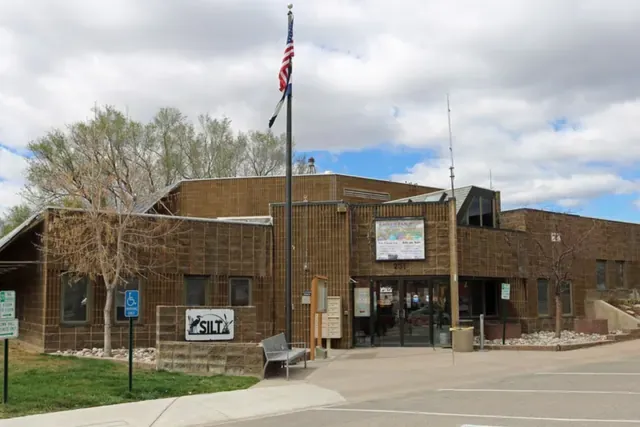
Silt is a town of about 3,500 people in Garfield County, on the north bank of the Colorado River and I-70 at Exit 97, seven miles east of Rifle and 19 miles west of Glenwood Springs. George Ferguson homesteaded the site in 1886; the Denver and Rio Grande depot renamed it Silt in 1889 for the deposits at the original townsite, and the town incorporated in 1915.
Answered 24/7
Including holidays and storms
Licensed local plumbers
Licensed in Colorado
Winter-ready
Frozen lines and thaw calls
Price ranges up front
Know the range before they come
Silt homes and their sewer lines
Silt has a small core of older houses near the old townsite and Main Street, but most homes are subdivisions built since the 1990s, when the town grew quickly as a more affordable place to live than the upper valley.
The Town of Silt runs water and sewer. Its wastewater plant beside the Colorado River was built in 2003 for about $4 million, uses an Aero-Mod activated sludge process with nutrient removal, and won Colorado Rural Water's Wastewater System of the Year for 2012. Homes on Silt Mesa outside town use septic.
Newer Silt homes have PVC drains; older houses near the original townsite may still have clay or cast iron lines.
Silt drain problems
Silt drain calls follow the town's growth. Newer subdivisions see wipes, grease and settled trenches, older lots near the river see roots and worn clay, and the mesa properties above town have septic and long-line problems of their own.
What drain work usually costs in Silt
| Job | Typical range |
|---|---|
| Kitchen, bath or toilet clog | $125–$300 |
| Main line cleared to the town main | $200–$500 |
| Hydro jetting a main line | $350–$850 |
| Camera inspection | $150–$400 |
| Silt Mesa septic line cleared | $200–$550 |
A railroad name that stuck
George Ferguson filed a homestead on the north bank of what was then called the Grand River in April 1886 and ran a ferry across it. When the Denver and Rio Grande built a depot nearby in 1889, the settlement became Silt, after the fine river deposits at the original townsite. A post office opened in 1898 and the town incorporated in 1915. For most of the 20th century it was a small farming town at the east edge of Cactus Valley.
Silt's growth came late. The town had fewer than 3,000 people in 2010 and more than 3,500 in 2020, as workers from Glenwood Springs, Aspen and the gas fields around Rifle looked for homes they could afford.
An award-winning plant on the river
The Town of Silt runs its own water and sewer. Its wastewater treatment plant, built in 2003 for about $4.1 million along with a new interceptor sewer, sits right beside the Colorado River, close enough that crews had to pump out groundwater to build it. It uses an Aero-Mod activated sludge process with biological nutrient removal and UV disinfection, and Colorado Rural Water named it Wastewater System of the Year for 2012. The town maintains its mains; the line from each building to the main is the owner's.
Newer subdivisions, newer problems
Most Silt homes were built since the 1990s and have PVC sewer lines. PVC does not rust or scale like cast iron, but new lines have their own failure points. Construction debris can be left in a line. Trenches backfilled in a hurry can settle, leaving a low spot under a driveway or yard where paper collects. And in neighborhoods full of young families, wipes and grease are the most common cause of a stopped main. A camera inspection shows which of these is the problem, so the fix fits the cause.
River bottom and older lots
Closer to the old townsite and the river, older homes may have clay or cast iron service lines and big cottonwoods in the yard. Those lines get roots, especially in the warm months. The river bottom also has a higher water table, which can make a cracked line take in groundwater and silt, ironically fitting the town's name. If an older Silt line keeps clogging with sand or grit, ask for a camera.
Silt Mesa and the edges of town
North of town, Silt Mesa is a mix of acreages, farms and newer homes outside the town limits, most on private septic systems and wells. Lines there can be long, and tanks may sit well downhill from the house. Pumping on schedule, keeping vehicles off the field and fixing running toilets quickly keep a Silt Mesa system healthy.
When a Silt drain backs up
- 01
Stop running water
Hold off on flushing and laundry until a Silt plumber has the line open.
- 02
Find the cleanout
Newer Silt homes usually have one outside near the foundation.
- 03
Check the lowest drain
A basement floor drain or lowest toilet often shows a main line clog first.
- 04
Share the house's age
Tell the plumber whether it's a newer build or an older lot near the river.
Silt warning signs
- Water rising in the lowest drain when the washer runs
- Gurgling in the toilet
- A line that slows a few months after cleaning
- Grit or sand coming back on the cable
- Wet ground over a Silt Mesa leach field
Winter in the valley
Silt sits lower than Glenwood, near 5,500 feet, but cold air pools along the river on still winter nights. Drains in garages and outside walls of newer homes are the usual ones to freeze. Keep the garage door closed in a cold snap and the heat on in rooms with plumbing.
What changes the price in Silt
Plumbers come from Rifle, New Castle and Glenwood, so travel adds little. A camera inspection, root cutting or hydro jetting adds cost; a simple clog does not. Describe what you're seeing and ask what a Silt visit should run.
Sump pumps, irrigation and the river
Some Silt basements and crawlspaces have sump pumps because of the high water table near the river and irrigation on the surrounding farm ground. A sump pump should discharge outside to the yard, not into a floor drain or laundry sink tied to the sewer. When clear water pours into the sanitary line during wet months, it can overload a service line and push the town's plant harder. If your Silt home has a sump, check where the hose goes.
Call if you notice
- Wipes stopping a short PVC main in a newer Silt subdivision
- Roots from river-bottom cottonwoods in an older Silt lateral
- A trench that settled under a young Silt driveway
- Septic backups on a Silt Mesa acreage
- A frozen drain in a garage or exterior wall during a valley inversion
Silt drain questions
Who runs the sewer in Silt?+
The Town of Silt. The town maintains its mains and plant; the line from your house to the main is generally the owner's.
My Silt house is less than 20 years old. Why is it backing up?+
Usually wipes, grease or a sag in a trench that settled. A camera inspection shows which.
Do Silt Mesa homes have septic?+
Most homes on the mesa outside town limits use private septic systems.