Morgan County · Northern Colorado
Drain Cleaning in Orchard, CO
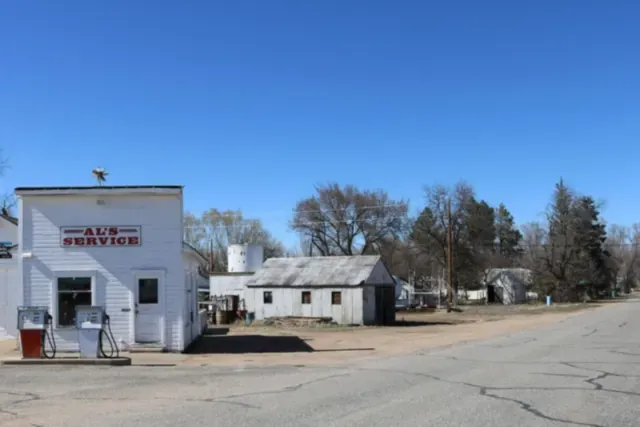
Orchard is an unincorporated community of about 76 people in western Morgan County, on State Highway 144 just north of the South Platte River. It was founded in 1882 near the cottonwood grove where John C. Fremont camped in 1842, was long known as Fremont's Orchard, and served as a set for the Centennial miniseries in the late 1970s.
Answered 24/7
Including holidays and storms
Licensed local plumbers
Licensed in Colorado
Winter-ready
Frozen lines and thaw calls
Price ranges up front
Know the range before they come
Orchard homes and their sewer lines
Orchard homes are older frame houses on the old townsite, farmhouses along the river bottom and manufactured homes on acreage.
There is no public sewer in Orchard. Homes use private septic systems, and many share their ground with irrigation ditches and the river's shallow water table.
Older Orchard houses often have cast iron inside, clay or early plastic out to the tank and drains added to the house over many decades.
Orchard drain problems
Orchard sits on the South Platte bottomland, and the river shapes its drain problems. Cottonwood roots find old joints, the water table rises in irrigation season and slows leach fields, and older houses on the townsite have drains that were added piece by piece.
What drain work usually costs in Orchard
| Job | Typical range |
|---|---|
| Fixture clog in an older house | $125–$300 |
| Line cleared out to the septic tank | $200–$550 |
| Cottonwood root cutting | $250–$600 |
| Camera inspection and tank locate | $150–$400 |
| Hydro jetting scale or grease | $350–$900 |
Fremont's Orchard
In 1842 Lieutenant John C. Fremont and a party of about two dozen men camped in a large grove of cottonwoods along the South Platte. Travelers on the river trail took to calling the spot Fremont's Orchard, though the orchard was really those cottonwoods. The town was founded in 1882 near the grove, and by 1911 a state business directory described it as a growing town on the Julesburg branch of the Union Pacific, 80 miles northeast of Denver.
In the late 1970s Orchard became a film set for the Centennial miniseries, based on James Michener's novel about the South Platte country, and crews added false fronts to its buildings. About 76 people lived in the Orchard census area in 2020. The town sits in western Morgan County on State Highway 144, on the north side of the river.
Septic systems on the river bottom
Orchard has no public sewer. Each home drains to a private septic tank and leach field. On the South Platte bottomland, that matters, because a leach field needs dry, unsaturated soil to work, and the ground here is often wet. The river, the irrigation ditches and the flooded fields around town keep the water table high in the growing season. When the field can't drain, the whole system slows, and the house drains show it first.
The cottonwoods are still here
The trees that gave Orchard its name still line the river and shade many lots in town. Cottonwood roots are notorious for finding drain lines. They travel a long way toward water and grow quickly into any open joint in clay or cast iron, then spread into a mat that catches waste. A line that drains fine in winter and slows every summer is a classic sign. Root cutting clears the line, but in Orchard the roots will come back unless the joints are repaired or the pipe replaced.
Old houses with added plumbing
Many houses on the Orchard townsite are a century old and were built before indoor plumbing was standard. Bathrooms, laundry rooms and kitchens were added later, sometimes decades apart, by different people using different materials. The result can be a mix of cast iron, galvanized steel, clay and plastic, joined at awkward angles. Clogs tend to form where materials meet. A camera inspection maps the line and shows where the weak spots are.
When an Orchard drain backs up
- 01
Stop using water
Every gallon you send goes into a line or tank that can't take it.
- 02
Watch the lowest drain
In an Orchard house, the basement floor drain or a ground-floor tub is where sewage shows up first.
- 03
Look at the field
Wet ground or odor over the field points to the septic system, not just the house line.
- 04
Note the season
Summer slowdowns can be roots or the water table.
Orchard warning signs
- Roots on the cable after clearing
- Drains slowing every summer
- Wet, green grass over the leach field
- Rust flakes from old cast iron
- A tub that bubbles while the Orchard washer empties
Flood season on the South Platte
The South Platte can run high in spring and early summer, and big floods have reached the bottomland here before. High water saturates the ground around leach fields and can push water into tanks with loose lids or cracked risers. After a high-water event, have the tank inspected before using the system heavily, and watch for slow drains or odors that suggest the field was damaged.
Habits that help an Orchard septic system
Spread laundry across the week, keep grease out of the sink, and avoid flushing anything but toilet paper. Have the tank pumped every three to five years, more often if the household is large. Keep heavy vehicles off the field, and don't plant new trees near it.
Wells and septic on the same small lot
Many Orchard lots are small by country standards, and the well and the septic system share the same patch of ground. State and county rules set minimum distances between the two, but older systems on the townsite were often installed before those rules existed. If you are not sure where your tank and field are relative to your well, a plumber can run a camera and locator from the cleanout and mark the line on the surface. That map helps when planning a new field, an addition or even a garden. If the well water ever smells or tastes off after a septic backup, stop drinking it and have it tested before using it again.
What changes the price in Orchard
A fixture clog is quick. Old pipe, roots and work on a septic system in wet ground add time. Plumbers usually come from Fort Morgan or Greeley. Describe the house's age and what you've noticed, and ask what an Orchard visit should run.
Call if you notice
- Cottonwood roots in an older Orchard septic line
- Drains slowing during the summer irrigation season
- A soggy leach field after the river runs high
- Rusting cast iron in an older farmhouse
- A bathtub in an Orchard house that gurgles on wash day
Orchard drain questions
Is Orchard on a sewer system?+
No. Orchard homes use private septic systems, so the line, tank and field are all the owner's responsibility.
Why do my Orchard drains slow in summer?+
Irrigation and the South Platte raise the water table, which slows a leach field, and cottonwood roots grow most in warm months.
Where do plumbers serving Orchard come from?+
Most come from Fort Morgan or Greeley, each about half an hour away.