Larimer County · Foothills & Mountains
Drain Cleaning in Glen Haven, CO
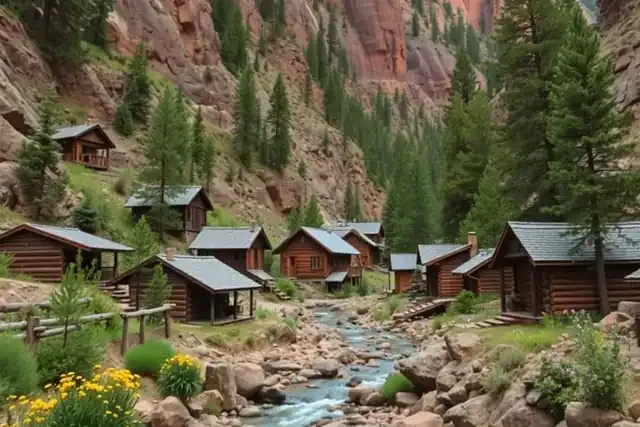
Glen Haven is a small Larimer County mountain village at about 7,230 feet on the North Fork of the Big Thompson, where Fox Creek and West Creek join it, reached only by County Road 43 between Estes Park and Drake. It began as a summer resort in 1903, when the Boulder Presbytery and the Knapp family sold cabin lots, and the September 2013 flood destroyed about 80 percent of its downtown.
Clogged drain in Glen Haven?
Answered 24/7
Including holidays and storms
Licensed local plumbers
Licensed in Colorado
Winter-ready
Frozen lines and thaw calls
Price ranges up front
Know the range before they come
Glen Haven homes and their sewer lines
Glen Haven homes are mostly summer cabins from the early and middle 1900s, many converted for year-round use, plus newer and rebuilt houses on the hillsides above the creeks.
Homes rely on private septic systems and wells or small shared systems. Much of the old village sits in the flood plain, which limits where systems can go.
Narrow canyon lots and steep side roads, many of them private, make access tight.
Glen Haven drain problems
In Glen Haven, drain calls involve septic lines, frost and the flood's aftermath. Cabin plumbing designed for summer freezes in shaded canyon winters, rocky slopes keep lines shallow, and systems near the North Fork may have been damaged, buried or rebuilt after 2013, so a line can run differently from what old paperwork shows.
What drain work usually costs in Glen Haven
| Job | Typical range |
|---|---|
| Cabin fixture clog cleared | $125–$325 |
| Line cleared out to the septic tank | $200–$550 |
| Thawing a frozen drain in a canyon cabin | $200–$650 |
| Camera inspection after flood repairs | $150–$400 |
| Root cutting near the North Fork | $250–$650 |
A summer resort on the North Fork
Glen Haven was founded in 1903, when the Boulder Presbytery and the Knapp family began selling cabin lots in the narrow valley where Fox Creek and West Creek join the North Fork of the Big Thompson River. Visitors came for the cool summers, the river and the trails toward Rocky Mountain National Park. The village kept that summer-resort character for most of a century, with a general store, a town hall and cabins tucked along the creeks.
County Road 43, also called Devils Gulch Road, is the only road through. It climbs from Drake on US 34 up the North Fork and continues over the ridge to Estes Park, which is the nearest town of any size.
September 2013
The rains of September 2013 turned the North Fork and its tributaries into torrents. In Glen Haven, the flood destroyed about 80 percent of the downtown, washed out long stretches of County Road 43 and cut the village off for weeks. Rebuilding the road took years, and many cabins along the creek were lost or rebuilt on different footprints.
For drains, the flood left a patchwork. Some septic tanks and lines were washed out and replaced, some were buried under new sediment, and some survived but sit in ground that was reshaped around them. A home's records may describe a system that no longer matches what is in the ground. A camera inspection and a line locate show the real route and condition before anyone digs.
Summer cabins converted for winter
Most Glen Haven cabins were built for summer use, with drains run through open crawlspaces, under porches and along exterior walls. As more owners began living here year-round or visiting in winter, cabins were insulated and heated, but the drain lines often stayed where they were. In the shaded bottom of the canyon, where the winter sun barely reaches some lots, those lines freeze during cold snaps. If a drain stops on a frigid morning, a plumber can thaw it from a cleanout, then point out where insulation or heat tape would help.
Steep lots and long runs
Above the creek, newer and rebuilt homes sit on steep hillside lots, and their lines to the septic tank can be long, with sharp changes in grade. Water rushes down the steep sections and slows where the line flattens, so solids collect at the bottom of each drop. Granite close to the surface also forces lines to stay shallow in places. Hydro jetting clears long lines more thoroughly than a cable, and a camera shows where grade changes are catching waste.
Creekside roots and wet ground
Cottonwoods, willows and alders along the North Fork and its side creeks send roots toward any line that leaks moisture. Older clay or cast iron lines near the water are the most likely to be invaded. Ground near the creek also stays wet, and during spring runoff the water table rises, which slows septic fields and can let groundwater seep into cracked pipe. If your drains slow every May and June and recover later in summer, mention it when you call.
Rules near the floodplain
Much of old Glen Haven lies in the North Fork floodplain, and Larimer County regulates what can be built or replaced there, including septic systems. If a camera inspection shows a line or tank that needs replacing rather than cleaning, check with the county before planning the work. A licensed plumber can tell you what the job involves and when a septic professional or permit is needed.
When a Glen Haven drain backs up
- 01
Stop using water
In a small cabin, a backup can reach the floor in minutes.
- 02
Think about the weather
A sudden stop after a cold night suggests ice; slow drains during runoff suggest wet ground.
- 03
Find the cleanout
Look in the crawlspace, under the porch or along the foundation.
- 04
Explain the access
Say whether you are reached from Estes Park or Drake, and mention any private road or bridge.
Glen Haven warning signs
- A drain that stops on a frigid canyon morning
- Slow drains during spring runoff on the North Fork
- Fine roots on the cable after clearing
- Gurgling from a long hillside line
- Sewer odor near a tank rebuilt after the flood
What changes the price in Glen Haven
Clearing a fixture clog is quick. Single-road access, steep and narrow lots, thawing, roots and finding a line that was rebuilt after 2013 all add time. Plumbers usually come from Estes Park or Loveland. Ask what a Glen Haven visit is likely to run once you have described the road and the lot.
Call if you notice
- A frozen drain in a converted Glen Haven summer cabin
- Slow drains near the creek in spring runoff
- A septic line rebuilt after 2013 that sags or shifts
- Gurgling from a long hillside line
- Odor near the tank after heavy summer use
Glen Haven drain questions
Are Glen Haven homes on septic?+
Yes. Homes use private or small shared septic systems.
Did the 2013 flood affect septic systems in Glen Haven?+
Homes along the North Fork that flooded may have had systems damaged, buried or replaced. If you bought a home there since, a camera inspection shows how the line actually runs.
How do plumbers get to Glen Haven?+
By County Road 43 from Estes Park or from Drake on US 34. Mention any private road or gate when you call.