Baca County · Southern Colorado
Drain Cleaning in Springfield, CO
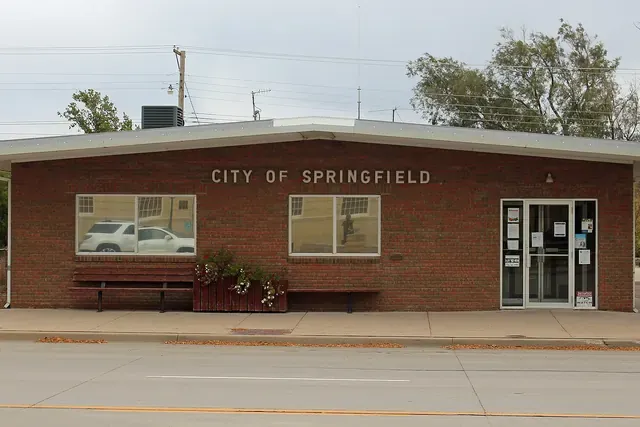
Springfield is the seat of Baca County and its largest town, about 1,330 people at the crossing of US 287 and US 385, about 30 miles north of the Oklahoma line at roughly 4,370 feet. Brothers Frank and Jim Tipton laid out the 80-acre townsite in 1888 and named it for their hometown of Springfield, Missouri; it incorporated in January 1889 and peaked at about 2,100 people around 1950.
Answered 24/7
Including holidays and storms
Licensed local plumbers
Licensed in Colorado
Winter-ready
Frozen lines and thaw calls
Price ranges up front
Know the range before they come
Springfield homes and their sewer lines
Springfield housing is mostly small frame and brick homes from the 1910s through the 1960s, a good share built during the town's postwar peak, plus manufactured homes and ranch houses on the dryland around town.
The Town of Springfield provides water and sewer in town. Its water lines have been surveyed in recent years, and the town announced a $1 million grant for water system improvements in 2025. Ranches outside town use wells and septic.
Older Springfield homes often have cast iron drains and clay tile laterals that have been in the ground for 60 to 100 years.
Springfield drain problems
Springfield drain calls are mostly about old pipe in dry ground. Clay joints shift as the soil dries and wets, roots from shade trees and Siberian elms push into the gaps, and wind-blown dust that gets into houses and mudrooms ends up in the drains.
What drain work usually costs in Springfield
| Job | Typical range |
|---|---|
| Kitchen, bath or toilet clog | $125–$300 |
| Main line cleared to the town main | $200–$550 |
| Root cutting in a clay lateral | $250–$650 |
| Camera inspection | $150–$400 |
| Thawing a frozen line | $200–$600 |
| Ranch septic line cleared | $200–$550 |
A Missouri name in the far southeast corner
Frank and Jim Tipton came to this part of the plains in 1886 and, in 1888 or 1889, secured title to the 80 acres that became the original Springfield townsite, naming it for Springfield, Missouri. The town incorporated in January 1889 and has been the Baca County seat for most of its life. It grew slowly at first, with fewer than 300 people in 1920, then swelled to about 2,100 by 1950 as dryland farming recovered after the Dust Bowl years that hit Baca County as hard as anywhere in the country.
Since then the population has eased back to about 1,330. The result is a town with a lot of houses from the 1940s and 1950s, many of them still on their original sewer laterals.
Town water, a town sewer and the line that's yours
The Town of Springfield runs water and sewer for homes inside town. In 2023 the town started surveying its water lines for construction work, in 2024 it began an inventory of every water service line under state and federal rules, and in 2025 it announced a $1 million grant for water system improvements. The sewer works the same way as in most Colorado towns: the town maintains the mains, and each property owner is responsible for the lateral from the house out to the main, including the cleanout.
Postwar houses and clay laterals
Many Springfield homes were built during the postwar boom, in brick and frame, with cast iron inside and clay tile out to the street or alley. Seventy years later, that clay is the weak point. Joints have shifted in soil that dries hard and then soaks during summer storms, and some have cracked. A camera in a Springfield lateral often shows offset joints where paper and grease collect. Jetting cleans the pipe walls; a sectional repair or liner fixes a joint that keeps catching.
Dust, wind and grit in the line
The wind that made the Dust Bowl still blows across Baca County, and fine dust gets into every house. It collects on boots, clothes and floors, and a lot of it ends up in mop buckets, laundry and utility sinks. Ranch and farm work adds mud and chaff. That grit sinks in slow spots in the drain line and builds up over time. A screen on the utility sink and an occasional main line cleaning keep it from building into a clog.
Siberian elms and thirsty roots
Siberian elms grow almost anywhere in the southeast plains, including in alleys and fence lines where nobody planted them, and their roots are aggressive. Along with older shade trees in Springfield yards, they push into cracked clay joints looking for water. Root cutting clears the line, but in a line with many root entries, a liner or replacement often costs less over a few years than repeated cutting. A camera inspection gives you the information to decide.
Summer storms and septic fields
Springfield averages about 17 inches of precipitation a year, and much of it comes in short, heavy thunderstorms. On ranches outside town, runoff from roofs and driveways can flood a leach field, and drains in the house slow until the ground dries. Point downspouts away from the field and don't park or drive on it. If drains stay slow a few days after the soil dries, have the tank pumped and the line checked.
If a Springfield drain backs up
- 01
Stop using water
Hold off on laundry and showers in your Springfield house until the line is cleared.
- 02
Check for ice in winter
Springfield's record low is 23 below zero; frozen drains happen.
- 03
Find the cleanout
Look in the yard toward the street or alley, or in a basement or crawlspace.
- 04
Ask about trip charges
Most plumbers come from Lamar, so travel is part of the price.
Springfield warning signs
- A Springfield floor drain that backs up when the washer drains
- Gurgling toilets
- Roots on the cable
- Slow drains throughout the house
- Sewer smell near the cleanout
What changes the price in Springfield
Travel from Lamar or farther is the biggest extra. After that, root cutting, thawing and camera work add time. A simple clog is at the low end; a root-filled lateral or a frozen main moves toward the top. Ask what a Springfield visit will cost before the work starts.
Call if you notice
- Roots from a Siberian elm in a Springfield clay lateral
- A main line that slows as dry Baca County soil shifts the joints
- Grit and dust washed down a Springfield mudroom or laundry sink
- Rusted cast iron under a postwar Springfield bathroom
- A ranch septic field that floods after a summer thunderstorm
Springfield drain questions
Who runs sewer service in Springfield?+
The Town of Springfield. The town's office at 748 Main Street handles utility questions; the private line from the house to the main is the owner's.
Where do plumbers serving Springfield come from?+
Most drive in from Lamar on US 287, and some from towns in Kansas or Oklahoma.
Why do older Springfield lines get roots?+
Shade trees planted in dry country send roots toward any moisture, and a cracked clay joint leaking sewage is the wettest ground on the lot.