Garfield County · Western Slope
Drain Cleaning in Rifle, CO
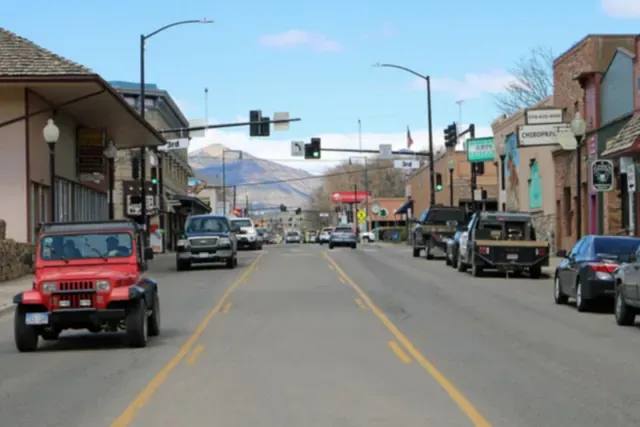
Rifle is the largest town in western Garfield County, about 10,400 people where Rifle Creek comes down from the north to meet the Colorado River along I-70. Abram Maxfield founded it in 1882, the town incorporated on August 18, 1905, and for more than a century its fortunes have risen and fallen with oil shale and natural gas in the Piceance Basin.
Answered 24/7
Including holidays and storms
Licensed local plumbers
Licensed in Colorado
Winter-ready
Frozen lines and thaw calls
Price ranges up front
Know the range before they come
Rifle homes and their sewer lines
Rifle's oldest homes sit on the grid north of the river around Railroad Avenue and East Third Street, frame and brick houses from the early 1900s through the 1950s. Each energy boom added a ring of housing: ranches and split-levels from the 1970s and early 1980s, then subdivisions and manufactured home parks from the gas boom of the 2000s.
The City of Rifle runs water and sewer. Its Regional Wastewater Reclamation Facility, a 2-million-gallon-a-day plant southwest of town on the Colorado River, came online in November 2009 and replaced the old earthen lagoons; drinking water now comes from the city's Regional Water Purification Facility, built to replace the Graham Mesa and Beaver Creek plants.
A Rifle house built before about 1975 likely has cast iron under the floors and clay tile to the street; houses from the 1980s on are mostly PVC, and the newest subdivisions have PVC laterals on compacted fill.
Rifle drain problems
Rifle drain calls tend to follow the town's soils and its building booms. Clay and shale ground swells when wet and shrinks when dry, which pulls at old clay joints, and lines laid fast during a boom sometimes settle into bellies that collect grease and paper.
Rifle drain cleaning price ranges
| Job | Typical range |
|---|---|
| Kitchen, bath or toilet clog in a Rifle home | $125–$300 |
| Rifle main line cleared to the city sewer | $200–$550 |
| Cutting roots out of an old Rifle clay lateral | $250–$650 |
| Sewer scope with locate before a Rifle home sale | $150–$400 |
| Hydro jetting a sagging or greasy Rifle line | $350–$900 |
| Thawing a frozen Rifle drain or lateral | $200–$600 |
A creek, a rifle and a railroad town
The story locals tell is that a soldier on a survey crew left his rifle beside the creek in the 1870s, and when he went back for it the stream became Rifle Creek. Abram Maxfield laid out a town where the creek meets the Colorado River in 1882, the Denver and Rio Grande came through soon after, and Rifle grew as the shipping point for ranches up the creek and on the mesas. The town incorporated on August 18, 1905.
Boom, bust and the houses they left
Rifle sits on one of the largest oil shale deposits in the world, and the town has swelled and shrunk with every attempt to tap it. The biggest blow came on May 2, 1982, when Exxon announced it was shutting down the Colony oil shale project near Parachute, a day still called Black Sunday in Garfield County; thousands of jobs vanished and Rifle houses sat empty for years. Natural gas drilling brought another surge in the 2000s.
For drains, those cycles matter because each boom built fast. Some Rifle laterals were laid by crews racing to keep up with demand, with backfill that was never fully compacted. Over decades, a line like that can settle into a low spot, a belly, where water stands and grease and paper collect. A sewer camera is the only reliable way to see one.
Clay and shale under the yard
Much of Rifle is built on soils weathered from Mancos shale and other clay-rich rock. These soils swell when they get wet and shrink as they dry out, and over the years that movement shifts old clay tile pipe at its joints. A joint that opens even a little lets in roots and soil and catches debris. In newer PVC lines, the same soil movement shows up as sags rather than open joints.
Rifle's sewer plant on the river
For decades Rifle treated sewage in earthen lagoons. As the town grew and the state tightened ammonia limits for the Colorado River, the city built the Rifle Regional Wastewater Reclamation Facility about two miles southwest of downtown, with the river along its south edge. The $23 million plant started up in November 2009 with room for 2 million gallons a day and space to double, and a 12-acre solar array helps power it.
None of that changes who owns what at your house. The city maintains its mains and the plant; the lateral from your foundation to the city main, and the cleanout on it, are yours. If several neighbors back up at once, call the city as well as a plumber.
Water from the Colorado
Rifle draws most of its drinking water from the Colorado River. For years it went through a pre-settling pond and up to the Graham Mesa plant, built in 1980, with a smaller plant on Beaver Creek as a backup. In June 2016 a break in the only raw water line from the river to Graham Mesa forced the city to ban outdoor watering for weeks, and the city built a new Regional Water Purification Facility to replace both older plants. River water carries hardness and silt, so kitchen and laundry lines in Rifle build up mineral scale over time.
Split-levels, ranches and newer subdivisions
Away from downtown, Rifle has ranch houses and split-levels from the 1970s and 1980s boom, many with crawlspaces and drain lines that run near outside walls. Subdivisions from the 2000s gas boom on the north and east sides of town were plumbed in PVC, which doesn't scale or let roots in through sound joints, but can sag where the trench settled. Manufactured home parks have their own weak spot: drain lines hung under the floor behind skirting, open to cold air when the skirting gets damaged.
Cold air in the valley
Rifle's winters are milder than the high mountains, but cold air drains off the Roan Plateau and the Flat Tops and pools along the river, and the record low here is 38 below. Pipes in crawlspaces, on north walls and under manufactured homes are the first to freeze. Keep crawlspace vents closed in winter, keep skirting tight, and open cabinet doors on sinks along outside walls on the coldest nights. A frozen drain line usually thaws with steam or hot water from a plumber; don't use an open flame.
When a Rifle drain backs up
- 01
Stop using water
In a Rifle house with a blocked main, every flush adds to what comes up the lowest drain.
- 02
Check with the neighbors
If other houses on your Rifle street back up too, the problem may be in the city main, so call the city.
- 03
Find your cleanout
In Rifle it is usually a capped pipe in the yard near the foundation or in the crawlspace.
- 04
Ask for a camera
After clearing, a camera tells you if a sag, root intrusion or broken joint caused it.
Rifle warning signs
- A Rifle main that clogs again within months of clearing
- Standing water seen on camera in a newer Rifle lateral
- Gurgling in a Rifle house when the washer drains
- Roots on the cable after clearing a line near Rifle Creek
- A sewer smell in a Rifle crawlspace
Call if you notice
- A belly in a Rifle lateral laid during a boom-era building rush
- Cottonwood roots near Rifle Creek finding an old clay joint
- Work-clothes grit from oilfield or ranch jobs packing a laundry line
- A crawlspace drain in a Rifle split-level freezing in a January cold snap
- Grease in a kitchen line that feeds a long, flat run to the street
Rifle drain questions
Who maintains the sewer in Rifle?+
The City of Rifle owns the public mains and the treatment plant. The lateral from your house to the city main, including the cleanout, is the homeowner's responsibility.
Why do Rifle sewer lines sag?+
Much of Rifle sits on clay and shale soils that swell and shrink with moisture, and some lines from fast-growing boom years were bedded poorly. A camera inspection shows whether a slow line has a belly that holds water.
How cold does Rifle get?+
Rifle's record low is 38 below zero, set in January. Cold air drains down the valley and settles along the river, so crawlspaces and outside walls are where pipes freeze.