Fort Collins · typical $200–$600
Main sewer line clogs in Fort Collins
In Old Town and the neighborhoods around campus, a main line backup is usually a root problem that has been building for years. In rentals and newer homes it's more often what got flushed. Either way the first job is the same: open the line.
Main sewer line clog in Fort Collins?
Answered 24/7
Including holidays and storms
Licensed local plumbers
Licensed in Colorado
Winter-ready
Frozen lines and thaw calls
Price ranges up front
Know the range before they come
Roots under Fort Collins' big trees
Fort Collins has a lot of mature cottonwood, ash, maple and elm, often planted along the parkway right above the sewer lateral. Clay joints from the early and mid 1900s let fine roots in, and the mat they form catches paper and waste until the line stops. The usual pattern is a backup every one to two years, often in spring.
Rentals near campus
Houses converted to student rentals see more toilet and kitchen clogs and more wipes and paper towels in the main. If you're a landlord, a camera inspection after a clearing settles whether the cause was use or the pipe itself, which matters when deciding who pays.
What to expect on the call
- 01
Clear from the cleanout
A large cable with a root-cutting head is run toward the street.
- 02
Check the flow
Water is run upstairs to confirm the line drains at full speed.
- 03
Scope it
A camera run shows roots, offsets or sags and their distance from the house.
Typical Fort Collins costs
| Situation | Typical range |
|---|---|
| Main cleared from a basement cleanout | $200–$500 |
| Alley lateral or long run | $300–$650 |
| Root cutting plus jetting | $450–$1,000 |
| Camera inspection added | $100–$250 |
| Thawing a frozen section in winter | $300–$600 |
Old Town and alley mains
Old Town Fort Collins was laid out with alleys, and some older homes have laterals running back to an alley main rather than out to the street. Those lines can pass under garages, sheds and fences, and they're often longer than street laterals. A camera with a locator marks the route so any future repair is planned precisely.
In these homes, the cleanout may also be in a cramped basement corner or a crawlspace, so clearing a path to it before the plumber arrives helps.
Expansive soils and joint movement
Northern Colorado's clay soils swell when wet and shrink when dry. Over decades, that movement can shift rigid clay pipe joints out of alignment. The resulting gaps let roots in and create small ledges where paper and grease catch. A camera inspection on a line with repeat backups often shows several slightly offset joints. Depending on how many there are, the answer may be periodic jetting, spot repairs or lining the line.
Campus rentals
In the neighborhoods around CSU, rental homes see more frequent main line clogs, often from wipes and grease rather than the pipe itself. Landlords who scope and clean lines between leases and give tenants clear guidance on what not to flush avoid many emergency calls during the school year.
A sensible maintenance rhythm
- 01
Late winter
Schedule root cutting for older lines before spring growth starts.
- 02
Every few years
Scope the line to see whether roots or offsets are getting worse.
- 03
When numbers make sense
Line or repair the worst sections once maintenance costs approach a permanent fix.
- 04
Every fall
Insulate exposed drains and check furnace condensate lines before winter.
Who to call for the public main
Fort Collins Utilities maintains the public sewer mains. If neighbors are backing up at the same time, or the plumber finds the blockage at the connection to the main, call the utility. Everything on your side is handled by a private plumber.
Spotting a main line problem early
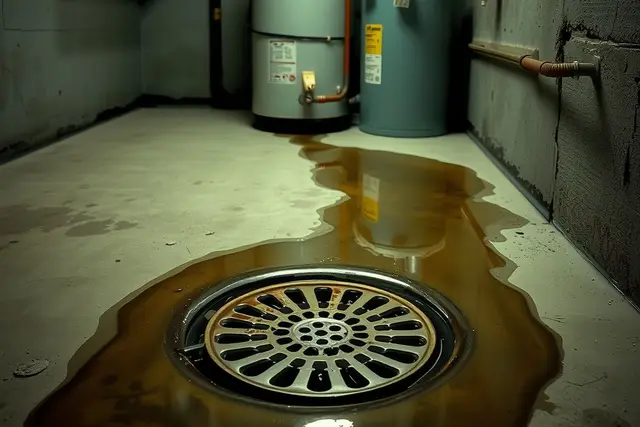
Fort Collins homeowners often notice the first signs in the basement: the floor drain gurgles when the upstairs toilet flushes, or a little water appears around it after the washer drains. Upstairs, toilets may bubble or drain slowly while sinks seem fine. These signs point to a narrowing main line rather than a single clogged fixture. Booking a visit at that stage usually means a routine clearing rather than an emergency cleanup.
Keeping records with the house
Save the camera video and invoice from every main line visit. They show the line's material, its condition, where roots or offsets are and how far from the house. That history helps future plumbers work faster, and it's valuable documentation if you sell the house.
Cleanouts in older Fort Collins homes
In many older Fort Collins homes, the main cleanout is a cast iron plug near the front wall of the basement or in the crawlspace, sometimes hidden behind shelving or a water heater. Over decades the plug can rust in place, and removing it takes care so the fitting doesn't crack. Plumbers carry the tools for this, but if the plug is badly corroded they may recommend replacing it with a new one, or adding an exterior cleanout near the foundation. An outdoor cleanout means future visits never need to come through the house at all, which many homeowners appreciate during a messy backup.
Newer homes in the southeast and northeast usually have a cleanout in the yard or in a basement utility room. Knowing where yours is, and keeping it accessible, saves time and money on every visit.
Using the camera footage
After the line is cleared, the camera shows what caused the backup and where it is. The plumber's locator can then find that exact spot on the surface and mark it with paint or a flag. If a repair is ever needed, that mark means digging in one small area rather than trenching the whole yard. It's worth asking for the marked distances and depth to be written on your invoice so the information isn't lost.
Grease and the holidays
Plumbers in Fort Collins see a jump in main line calls around Thanksgiving and the winter holidays. Big meals mean more grease, and visiting family means more showers, laundry and flushing. Wiping pans into the trash, using a sink strainer and spreading out laundry loads over the holiday weekend all help keep the main line flowing when the house is full.
Calling ahead
When you call, describe which fixtures are affected, whether water is on the floor and where the cleanout is. Mention the age of the home if you know it. That helps the plumber bring the right equipment and give a realistic price range before arriving.
Common questions
How often should roots be cut in Fort Collins?+
Lines with known root problems are often cut every one to two years, timed before the season they usually back up.
Can expansive soil damage my sewer line?+
Over decades, swelling and shrinking clay soil can shift older pipe joints, which then let roots and soil in.
Who pays in a rental?+
Usually the owner for roots and pipe failures; a tenant may be charged if the clog was caused by something flushed.