Loveland · typical $200–$600
Main sewer line clogs in Loveland
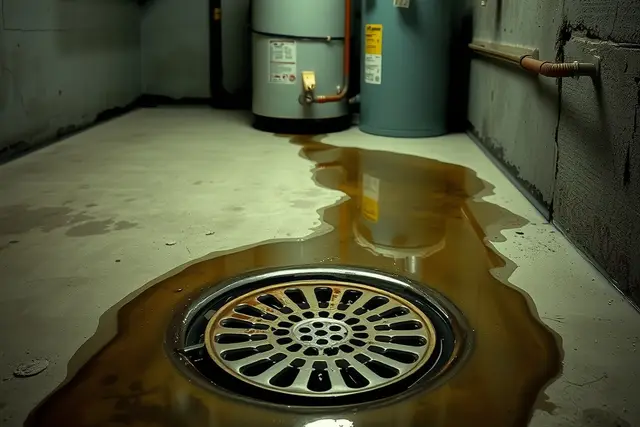
When a Loveland main line clogs, the house tells you in a predictable order: the basement floor drain or lowest toilet first, then tubs, then every drain at once. Where the clog sits, and why, depends a lot on which part of Loveland you live in.
Main sewer line clog in Loveland?
Answered 24/7
Including holidays and storms
Licensed local plumbers
Licensed in Colorado
Winter-ready
Frozen lines and thaw calls
Price ranges up front
Know the range before they come
The downtown grid and its alleys
The blocks around Fourth Street and the old sugar factory district were laid out with alleys, and many homes there drain out the back to an alley main. Those laterals are often clay from the first half of the 1900s, passing under garages, fences and big shade trees. When one of those homes backs up, the plumber usually works from a basement cleanout toward the alley, and roots are the most common thing on the cable when it comes back.
Lake neighborhoods and ditch country
Loveland is laced with irrigation ditches and lakes, from Lake Loveland near downtown to Boyd Lake on the east side. Homes near the water and the ditch banks sit on ground that stays damp much of the year, with cottonwoods and willows close by. A main line near that water is more likely to have roots, and in spring, cracked joints can take in groundwater and silt.
What a main line call looks like
- 01
Stop the water
No flushing, showers or laundry until the line is open.
- 02
Open the cleanout
The plumber runs a cable or jetter from the cleanout toward the main.
- 03
Read what comes back
Roots, grease or wipes each point to a different cause.
- 04
Scope it
A camera shows where the clog was and whether the pipe is damaged.
Loveland main line costs
| Job | Typical range |
|---|---|
| Main line cleared from an accessible cleanout | $200–$450 |
| Main line cleared by pulling a toilet (no cleanout) | $275–$600 |
| Root cutting in a clay lateral to an alley | $250–$600 |
| Hydro jetting a greasy or silted main | $350–$900 |
| Camera inspection after clearing | $150–$400 |
Why main lines fail in older Loveland
Loveland's early neighborhoods grew around the railroad and the sugar factory that opened just after 1900, and many of their homes still drain through the clay pipe laid when they were built. Clay itself lasts a long time. The weak points are the joints every few feet, which were sealed with mortar or simple gaskets that age and crack. Northern Colorado's clay soil swells and shrinks with the seasons, working those joints loose, and the shade trees planted a century ago now have root systems big enough to reach every one of them.
The 2013 flood and lines near the Big Thompson
In September 2013, the Big Thompson flooded out of its canyon and through parts of Loveland, damaging homes and roads near the river. Some properties along the river corridor had sewer lines that took in silt and debris, and some lines shifted where the ground was scoured or saturated. If you own a home near the river that was affected, and you've never had the lateral scoped since, a camera inspection is worth doing even if drains seem fine today.
Newer Loveland homes and their main lines
East of US 287 and around the lakes, most homes were built from the 1990s onward with PVC laterals. Roots rarely get into those lines. The clogs that do happen come from wipes, grease, paper towels and the occasional toy, often collecting where the line changes direction or at a slight sag where the trench backfill settled. A main line in a newer home that clogs more than once is worth a camera run to look for a belly.
Backwater valves and finished basements
Many Loveland basements have been finished, which makes a main line backup far more expensive. A backwater valve on the main line lets wastewater flow out but closes if the flow reverses, protecting the basement. It doesn't prevent a clog in your own line, but it can stop a backup from the public side. Ask the plumber whether your home has one and whether it needs servicing.
Signs your Loveland main line, not a single drain, is clogged
- Water rises at the basement floor drain when the washer empties
- Toilets gurgle when a tub drains
- More than one fixture is slow at the same time
- The lowest toilet backs up when upstairs fixtures run
- A sewer smell near the floor drain or cleanout
When it keeps coming back
One main line clog can be bad luck. Two in a year means something in the line is catching debris. In older Loveland homes, that's usually roots at a cracked joint or an offset where two sections have shifted apart. In newer homes, it's usually a sag. A camera inspection shows which, how far from the house it is and how deep. From there, the choice is between scheduled root cutting, a spot repair of the bad section, or lining or replacing the lateral.
Preparing for the plumber
Clear the area around the basement floor drain and cleanout, and move stored items off the floor. If you know the house has no cleanout, say so when you call, because the plumber may need to pull a toilet to reach the line. Let them know if roots have been cut before and roughly when; it helps them judge whether the problem is getting worse.
Big trees on old Loveland streets
Loveland's older streets are lined with mature elms, maples, ash and cottonwoods. The trees are a big part of what makes those neighborhoods pleasant, and most owners want to keep them. Regular root cutting, or lining a lateral so roots can't get in, lets the trees and the sewer line coexist. Removing a tree rarely fixes a root problem by itself, because the roots already in the pipe will keep it clogged until they're cut.
Basement remodels and the main line
If you're finishing a Loveland basement, have the main line scoped first. A line with roots or a crack is far easier to repair before a new floor and walls go in. Keep the cleanout accessible behind a panel, and consider a backwater valve if the home has ever backed up.
Winter main line clogs in Loveland
Main line backups in Loveland don't stop in winter. Grease from holiday cooking, wipes from house guests and slower-moving water in cold pipes all add up in December and January. If your main line has been slow in the fall, clearing it before the holidays prevents a backup with a full house.
Common questions
Who owns the sewer line under my Loveland yard?+
The service line on your lot is generally the owner's. The city utility handles the public main in the street or alley.
Why does my Loveland basement drain back up first?+
It's the lowest opening in the house, so water from a main line clog rises there before anywhere else.
Is hydro jetting better than cabling for a Loveland main?+
For grease or silt, jetting cleans the pipe wall more thoroughly. For roots, a cutting head on a cable is often the first step.