Denver · typical $200–$600
Frozen drain lines in Denver
Denver winters are mostly mild with sudden arctic fronts. Those few brutal nights are when drains in the coldest corners of older homes freeze, usually without warning.
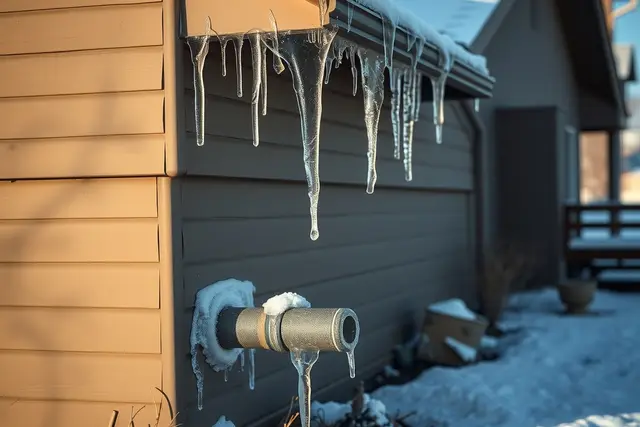
Frozen drain line in Denver?
Answered 24/7
Including holidays and storms
Licensed local plumbers
Licensed in Colorado
Winter-ready
Frozen lines and thaw calls
Price ranges up front
Know the range before they come
Denver's usual suspects
- Kitchen drains in additions and enclosed porches built over crawlspaces
- Laundry lines on north-facing exterior walls
- High-efficiency furnace condensate lines exiting the side of the house
- Bathrooms over unheated garages in newer homes
During an arctic front
- 01
Open cabinets
Let house heat reach sink drains on exterior walls.
- 02
Run warm water a few times a day
Moving water in vulnerable drains is less likely to freeze.
- 03
Check the furnace exit
If the furnace shuts off, look for ice where the condensate line exits.
- 04
Call if a drain stops
Plumbers thaw lines from inside with steam or hot water. Never use a torch.
Denver's freeze pattern
Denver can sit in the 50s one afternoon and drop below zero the next night when an arctic front comes down the plains. Pipes that never froze in a normal winter freeze in those swings because nobody has prepared for them. The calls come in clusters: the first very cold morning, then again when the cold breaks and a thawed line reveals a clog or a crack.
Older Denver homes with enclosed back porches, bump-out kitchens and finished attics are where drains most often run through spaces that were never insulated for it.
Typical Denver thaw costs
| Job | Typical range |
|---|---|
| Interior drain thaw | $200–$450 |
| Frozen section of main or lateral | $300–$600 |
| Condensate line thaw and reroute | $150–$450 |
| Insulation or heat cable afterward | $150–$500 |
Which Denver homes freeze
The homes most likely to see frozen drains in Denver are older bungalows with additions, enclosed porches or bump-out kitchens built over crawlspaces, and newer homes with bathrooms above uninsulated garages. In both cases the drain runs through a space that isn't heated like the rest of the house. On a mild winter it never freezes; on the one night an arctic front drops temperatures below zero, it does.
Furnace condensate lines that exit the side of the house are the other common culprit. When they freeze, the furnace shuts off as a safety measure.
What to do on a frigid morning
Stop using the frozen drain, open cabinet doors, warm the space gently with the house heat or a supervised space heater, and give it time. Don't use boiling water on porcelain or old pipe, and never use a torch. If the drain doesn't clear within a few hours, or if water starts backing up elsewhere, a plumber can thaw it from the inside with a steamer or hot-water jetter.
Fixing it for next winter
- 01
Find the cold spot
Identify where the drain runs through unheated space.
- 02
Insulate
Add insulation around the pipe and in the wall or floor cavity.
- 03
Add heat cable if needed
For drains in garages or porches that freeze every year.
- 04
Reroute condensate lines
Drain them indoors or protect the outlet from wind and snow.
Denver cold snaps are short but sharp
Denver winters are mostly mild, which is why frozen drains catch so many people off guard. A few times a season, an arctic front pushes temperatures well below zero for a day or two. Drains that never cause trouble the rest of the year freeze on those nights, especially where they run through garages, porch additions or exterior walls. Watching the forecast and taking a few simple steps the evening before a cold front prevents most calls.
Before a cold front arrives
Close the garage door and keep it closed. Open cabinet doors under sinks on exterior walls so warm air reaches the pipes. Make sure the furnace condensate outlet isn't blocked by snow. If you have a drain that has frozen before, run some warm water through it in the evening and again in the morning. If you're traveling, keep the heat at a reasonable setting rather than turning it way down.
Older Denver additions
Many older bungalows and Tudors in neighborhoods like Park Hill, Berkeley and Washington Park have additions built in later decades: a back porch turned into a kitchen, a bathroom added off a bedroom, a mudroom with a laundry hookup. These additions often sit on shallow foundations or piers, and the drains under them run through spaces that were never fully insulated. A plumber can find the vulnerable section and recommend insulation, heat cable or rerouting.
What a thaw visit involves
The plumber starts by confirming which drains are frozen and tracing the route of the pipe to the cold section, often a wall shared with the garage or a floor over a crawlspace. They then feed a thawing line through the fixture or a cleanout and melt the ice from the inside. On short sections this takes under an hour; on long runs in very cold weather it can take longer. Once water flows, they check for leaks and talk through what caused the freeze.
If the drain is also partly clogged with grease or lint, the plumber may clear that at the same time, since standing water in a slow drain freezes more easily.
Don'ts that save money
Don't pour boiling water into a frozen toilet or sink; it can crack porcelain and warp plastic pipe. Don't use a torch or open flame anywhere near walls or insulation. Don't pour chemical drain cleaners into a frozen line; they sit on top of the ice and can splash back when the line thaws. And don't keep running water into a drain that isn't draining. Wait for it to thaw or for help to arrive.
Insurance and frozen pipes
Homeowners policies treat frozen pipe damage differently depending on circumstances, such as whether the home was heated. If a frozen drain split and caused water damage, photograph everything, keep the plumber's invoice describing the cause and call your insurer before major cleanup if you can.
Frozen drains in Denver rentals and condos
In Denver condos and townhomes, a frozen drain can affect neighbors, because stacks and branch lines are often shared. If a drain stops during a cold snap, tell the HOA or property manager as well as calling a plumber, since the frozen section may be in a common wall or an unheated mechanical space. Renters in older houses should tell the landlord right away; a quick insulation fix after the first freeze is much cheaper than a burst pipe later.
Common questions
Why did my Denver kitchen drain freeze when the rest of the house was fine?+
Kitchen drains in older additions often run through a cold crawlspace or exterior wall that gets far colder than the house.
Can a frozen condensate line shut off my furnace?+
Yes. High-efficiency furnaces have a safety switch that stops the furnace when the condensate can't drain.
How do I stop it freezing next winter?+
Insulate the exposed drain, close crawlspace vents for winter and consider heat cable on the condensate line.