Denver · typical $350–$900
Hydro jetting in Denver
In Denver, jetting earns its cost on two kinds of lines: older clay laterals where fine roots grow back fast after cutting, and kitchen drains in older homes coated with years of grease.
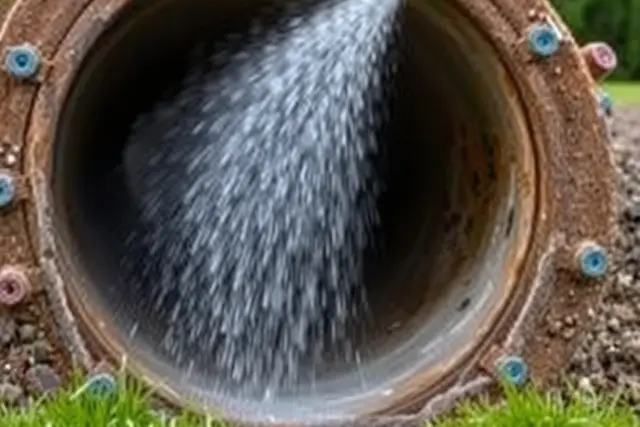
Hydro jetting in Denver?
Answered 24/7
Including holidays and storms
Licensed local plumbers
Licensed in Colorado
Winter-ready
Frozen lines and thaw calls
Price ranges up front
Know the range before they come
When Denver homeowners use it
- After root cutting, to clear the fine root hair the cutter leaves behind
- On kitchen lines in pre-war homes with galvanized steel drains
- Before a liner is installed, so the pipe wall is clean
- On lines that have been snaked two or more times in a year
Camera first on old clay
Jetting is safe on sound clay pipe, but not on a section that's cracked open or collapsed. A responsible plumber scopes an older Denver lateral before jetting it. If the video shows a break, jetting gets set aside for a repair conversation.
What it typically includes
- 01
Pre-jet camera inspection
Confirms the pipe is sound and shows what's inside.
- 02
Jet from the cleanout
A rotating or root nozzle cleans toward the main.
- 03
Post-jet camera
Shows the cleaned line and anything structural left.
What jetting costs in Denver
| Job | Typical range |
|---|---|
| Jetting a main line from a cleanout | $350–$900 |
| Jetting a kitchen branch line | $350–$700 |
| Camera before and after | Often $150–$400 combined |
| Root cutting before jetting | $250–$600 |
Denver lines that benefit most
In Denver, jetting pays off most on three kinds of lines: clay laterals where roots regrow quickly after cutting, kitchen lines in older homes coated with years of grease, and long alley laterals where solids collect at low spots. In each case, a cable alone opens a path but leaves buildup behind, so the line clogs again sooner than it should.
Jetting is also the standard preparation before lining a lateral, because the liner needs a clean pipe wall to bond to.
Older pipe and safety
A responsible plumber scopes an older Denver lateral before jetting it. Sound clay and cast iron handle jetting well. A cracked, collapsed or badly offset section does not, and jetting could wash soil into the line. If the camera shows that kind of damage, the plumber should tell you and talk about repair instead of jetting. That's a sign of a careful plumber, not an upsell.
How a Denver jetting visit runs
- 01
Scope
The camera confirms the pipe is sound and shows where buildup or roots are.
- 02
Set up
The jetter is parked near the cleanout, which may be in the basement or outside.
- 03
Jet
A rotating or root nozzle cleans the line toward the main.
- 04
Re-scope
A second camera run shows the cleaned pipe and anything structural left.
Winter jetting
Jetting in a Denver winter takes some care, because water left in an outdoor cleanout or on a driveway will freeze. Plumbers manage this, but clearing snow from around an outdoor cleanout before the visit makes the job faster and safer for everyone.
Restaurants, duplexes and heavy-use lines
Jetting isn't only for single-family homes. Denver duplexes and small apartment buildings, especially older ones converted from large houses, often share a single lateral between units. With more kitchens and bathrooms feeding the same line, grease and solids build up faster. Scheduled jetting every year or two keeps those shared lines open and avoids a backup that affects several households at once. Owners can ask the plumber for a short report after each visit to keep track of the line's condition over time.
Jetting before lining
If you are planning to line an older Denver lateral, jetting is part of the job. The liner needs a clean wall to bond to, so roots, scale and grease have to come out first. A plumber will typically jet, scope, line, then scope again to show the finished pipe. If a lining quote doesn't mention cleaning the line beforehand, ask how the pipe will be prepared.
What jetting won't fix
Jetting cleans the inside of a pipe. It won't repair a cracked joint, lift a sag, or reconnect an offset section. If the camera shows those problems, jetting may still help in the short term by clearing what has collected, but the line will continue to clog until the structural issue is repaired. A good plumber will be clear about that distinction rather than selling jetting as a cure-all.
Getting the most from a visit
Before the plumber arrives, clear a path to the cleanout, move stored items away from the basement floor drain and make sure no one is running water. If the cleanout is outside, clear snow or mulch around it. Ask for the before and after video, and note the date of the visit. That record makes it easier to see how quickly buildup returns and to plan the next cleaning before trouble starts.
Questions to ask before jetting
Ask whether the plumber will scope the line before jetting, what pressure and nozzle they plan to use and whether you'll get before and after footage. On older Denver pipe, a careful plumber adjusts pressure and chooses a nozzle suited to the material. If the line is clay with roots, a root-cutting nozzle may be used. If it's cast iron with scale, a descaling nozzle can help. Clear answers to these questions are a good sign that the job will be done carefully.
How long the results last
On a structurally sound line, jetting can keep it clear for years if the cause of buildup is addressed. Lines with roots usually need repeat cleaning every year or two until the joints are sealed. Kitchen lines in busy households may benefit from jetting every few years. The after-jetting video gives you a baseline to compare against in the future.
Booking tip
If your cleanout is in the alley side yard, unlock the gate and move bins before the crew arrives. In winter, shovel around the cap. Quick access shortens the visit and keeps the cost toward the low end of the range.
Jetting in older Denver homes with cast iron
Many pre-war Denver homes have cast iron drain lines inside the house that connect to the clay lateral outside. Over decades, cast iron builds up scale and rust on the inside wall, narrowing the pipe and creating rough edges that snag paper. Jetting with a descaling nozzle can restore much of the original diameter. If the cast iron is thin or has holes, the camera will show it, and the plumber can discuss replacing or lining those sections. Jetting old cast iron gently, with the right nozzle, is the key to cleaning it without causing damage.
Common questions
Is hydro jetting safe for old Denver sewer lines?+
On sound clay or cast iron, yes. On a broken section, no, which is why the line should be scoped first.
How much is hydro jetting in Denver?+
Most residential mains run about $350 to $900 depending on length and access.
Does jetting stop roots coming back?+
It clears regrowth more thoroughly than cutting alone, but roots return if the joint stays open.