Denver · typical $200–$600
Main sewer line clogs in Denver
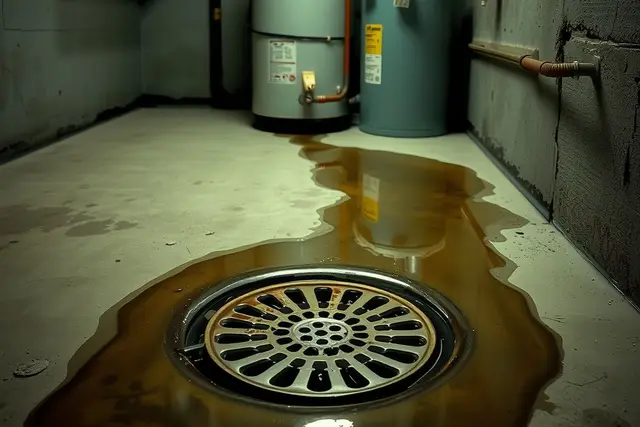
In Denver, a main line backup almost always announces itself in the basement. Older homes sit low relative to the city main, and the first place water appears is the floor drain beside the furnace or laundry.
Main sewer line clog in Denver?
Answered 24/7
Including holidays and storms
Licensed local plumbers
Licensed in Colorado
Winter-ready
Frozen lines and thaw calls
Price ranges up front
Know the range before they come
Where Denver main lines fail
The bungalow belt (Washington Park, Platt Park, Berkeley, Park Hill, Highland) was plumbed with clay sewer laterals in short sections. After 80 to 120 years, roots from mature street trees, shifting soil and simple age open those joints. The lateral typically runs under the front yard and often under the sidewalk and parkway to a main in the street, and in some neighborhoods toward an alley instead.
Post-war ranches in southwest and southeast Denver have newer pipe but often still clay or early cast iron, now sixty-plus years old.
Finding the cleanout in an older Denver home
Many pre-war homes have a cleanout in the basement near the front foundation wall, sometimes behind a finished wall or under a stair. Some have none at all, and the plumber reaches the main by pulling the basement toilet. If you know where your cleanout is, clear the area before the plumber arrives; it saves time and keeps the price at the lower end.
After the line is open
- 01
Ask what came out
Roots and clay fragments point to a structural issue; wipes or grease point to use.
- 02
Get it scoped
A camera run shows whether it's one bad joint or a failing lateral, and how far from the house.
- 03
Plan, don't panic
One root joint can be managed with periodic cutting. Several failing joints may justify lining or replacement; get the video and a written estimate.
Why Denver basements take the hit
Denver's older homes were built with basements that sit several feet below the street, while the city main runs under the street or alley. When the lateral between them narrows, wastewater backs up toward the lowest opening in the house, which is almost always the basement floor drain, a basement toilet or a laundry sink. That's why so many Denver main line calls start with someone noticing water around the furnace or in the laundry corner rather than a slow upstairs sink.
In bungalows with a single bathroom upstairs and an unfinished basement, a backup can go unnoticed until someone goes downstairs. If you have an older home, glance at the basement floor drain after a big load of laundry now and then; a ring of damp or debris around the grate is an early warning.
What a Denver main line visit usually costs
| Situation | Typical range |
|---|---|
| Clearing from a basement cleanout | $200–$500 |
| Clearing through a pulled toilet (no cleanout) | $300–$700 |
| Heavy roots needing a second pass | $350–$650 |
| Camera inspection added the same visit | $100–$250 |
| After-hours or holiday call | Higher, varies by plumber |
The alley question
In many older Denver neighborhoods, the sewer main runs down the alley rather than the street. If your cleanout is at the back of the house, or your trash is collected from the alley, your lateral may run under the back yard and sometimes beneath a detached garage. That affects how long the cable run is, where roots are likely to be and how a future repair would be done. A camera with a locating transmitter can mark the route and depth on the surface so nobody has to guess.
Alley laterals are often longer than street ones, which means more joints for roots to find. They can also be harder to replace if a garage sits on top of them, which is one reason pipe lining is popular in older Denver neighborhoods.
Denver Wastewater and your lateral
Denver's wastewater utility maintains the public sewer mains. The lateral from your house to the main, including the connection, is generally the property owner's responsibility. If several homes on your block are backing up at the same time, or a plumber's camera shows the blockage is in the main itself, contact the city. For anything on your side of that connection, a private plumber is the right call.
A practical plan after the first backup
- 01
Clear and scope
Get the line opened and a camera run while the plumber is there. Keep the video.
- 02
Understand the cause
Wipes or grease mean a habit change. Roots or broken pipe mean a maintenance or repair plan.
- 03
Fix access
If there was no cleanout, ask about adding one. It makes every future visit cheaper.
- 04
Consider protection
If the basement is finished, ask whether a backwater valve makes sense for your house.
Finishing a Denver basement
Before finishing a basement in an older Denver home, have the main line scoped. Finishing over a failing lateral is one of the most expensive mistakes a homeowner can make, because the next backup reaches new carpet, drywall and furniture. Keep the cleanout accessible behind a panel, not drywalled over, and leave the floor drain open and easy to reach.
When to call right away
Call as soon as water appears at the basement floor drain or the lowest toilet while fixtures are being used elsewhere. Waiting rarely helps: the blockage stays put and every flush or load of laundry adds to the water downstairs.
Questions worth asking on the call
Ask whether the plumber will run a camera after clearing, whether the video is included and what happens if the cable can't get through. Ask for a price range for the clearing and for any extra steps, such as pulling a toilet or a second pass for roots. Clear answers up front make the visit smoother and help you compare options if you're calling around.
Cleanup after a backup
Once the line is open, wear gloves, bag anything porous the water reached, disinfect hard surfaces and run fans or a dehumidifier. Photograph the damage first if you plan to contact your insurer.
Basement apartments and ADUs
Denver has a growing number of basement apartments and accessory dwelling units. When a basement unit has its own kitchen and bathroom on the same old lateral, the line carries more than it was built for, and the basement unit is the first to flood. Owners of these properties benefit from a camera inspection to confirm the line can handle the load, and from regular maintenance if roots or buildup are found. Tenants in basement units should know where the floor drain and cleanout are, and who to call if water appears.
Common questions
Is my Denver sewer line my responsibility?+
Generally yes, from the house to the connection at the city main. The main itself is the city's.
How fast can a Denver main line be cleared?+
Once the plumber is on site and has access, most clear in about an hour.
Why does it back up every spring?+
Roots grow actively in spring and find clay joints. That annual pattern is a classic sign of root intrusion.