Commerce City · typical $200–$600
Main sewer line clogs in Commerce City
Commerce City's main line backups come from two very different housing stocks: small post-war homes near the South Platte and the industrial core, and large new homes in the northern range. The clog, the cause and the fix are rarely the same in the two.
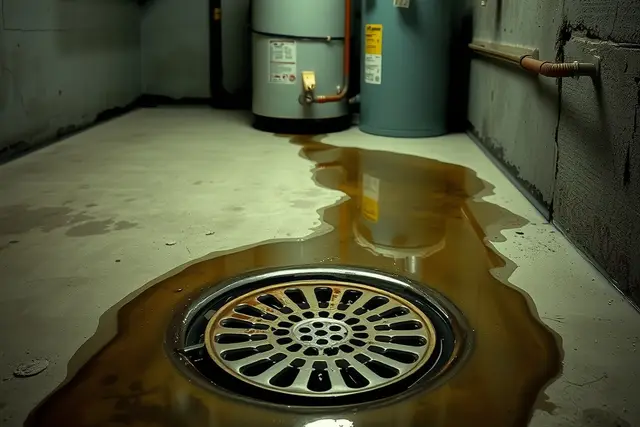
Main sewer line clog in Commerce City?
Answered 24/7
Including holidays and storms
Licensed local plumbers
Licensed in Colorado
Winter-ready
Frozen lines and thaw calls
Price ranges up front
Know the range before they come
The old Adams City and Derby neighborhoods
South of 72nd Avenue, neighborhoods that grew from Adams City and Derby in the 1940s and 1950s hold small homes on modest lots. Their laterals are often clay or early cast iron, now seventy years old or more. Roots, offset joints and scaled pipe cause most of their main line calls. These homes often have basements or crawlspaces where the first sign of trouble shows up.
Near the river and the treatment plant
Commerce City's older neighborhoods sit close to the South Platte, near the large Metro Water Recovery treatment plant that serves much of the Denver area. Ground near the river can have a shallow water table. Cracked laterals below it take in water and fine sand, which settles in low spots and narrows the pipe. Jetting clears sand better than a cable.
What happens on a Commerce City main line call
- 01
Stop using water
Every flush adds to what's coming up the floor drain.
- 02
Find the cleanout
Older homes: basement or near the foundation. Newer homes: often outside by the front.
- 03
Clear the line
A cable or jetter opens the clog from the cleanout.
- 04
Camera inspection
Shows roots, sand, offsets or a settled section.
Commerce City main line costs
| Job | Typical range |
|---|---|
| Main line cleared from a cleanout | $200–$450 |
| Main line cleared with no cleanout | $275–$600 |
| Root cutting in an older lateral | $250–$600 |
| Hydro jetting sand or grease from a main | $350–$900 |
| Camera inspection | $150–$400 |
Post-war laterals in the south end
The homes built in Commerce City's older neighborhoods after World War II were modest and built quickly, often with clay laterals or early cast iron. Seventy-plus years later, those lines have been through decades of roots, freeze-thaw cycles and soil movement. Some have had sections replaced over the years, leaving a mix of materials joined together. A camera inspection maps what's there and shows which joint or section is causing a backup.
Sand from shallow groundwater
Close to the South Platte, the water table can be shallow, especially in spring and early summer. A cracked lateral sitting in groundwater pulls in water and fine sand through the crack. The sand settles in low spots, slowly narrowing the pipe until a normal amount of paper or grease catches and the line stops. A cable punches a hole through the blockage, but jetting washes the sand out. After jetting, a camera can find where the sand is getting in.
The northern range: new homes, new problems
North of 96th Avenue and around Reunion, Commerce City has added thousands of homes since the early 2000s, built in large phases on clay ground east of the river. Their PVC laterals resist roots, but clay soil can settle unevenly beneath them in the first years, creating a belly. Wipes and grease from busy households collect there. Many of these homes have finished basements, so a main line clog can do real damage before anyone notices it.
Expansive clay east of the river
Much of northern Commerce City sits on clay and claystone that swell when wet. That movement can shift foundations and the pipes leaving them. A lateral that has shifted where it leaves the house may show a crack or offset right at the foundation. If you've seen cracks in the basement floor or walls and also have repeat main line clogs, mention both to the plumber.
Commerce City main line warning signs
- Laundry water rising at a Commerce City basement floor drain
- Sand or grit pulled from the cleanout
- Toilets bubbling when other fixtures drain
- Slow drains throughout the house
- A clog that returns within months
Who to call first
If sewage is coming up in your house only, start with a drain plumber, because the clog is almost always in your own lateral. If neighbors are having the same problem at the same time, or sewage is coming up from a manhole in the street, call your sanitation district too, since the public main may be blocked.
Preparing for the plumber
Stop using water, clear access to the cleanout and floor drain, and move stored items off the basement floor. Tell the plumber the age of the home, whether you've had backups before and whether a camera has ever been run. That information helps them choose between a cable and a jetter on the first visit.
Industry, traffic and buried lines
Commerce City is home to refineries, rail yards and heavy industry, and its roads carry a lot of truck traffic. Residential laterals near busy streets or alleys can be affected by heavy loads above them, especially if the pipe is old. A sag or crack under a driveway or alley often shows up on a camera inspection after repeated clogs.
Finished basements in the northern range
Many northern-range homes have finished basements with bedrooms, a family room and a bathroom. A main line backup there can ruin flooring and drywall quickly. A backwater valve, an accessible cleanout and a quick call when the floor drain first gurgles are the best protection.
Rentals and multi-family homes
Commerce City has many rental homes and some duplexes and small apartment buildings, especially in the older south end. Shared laterals in duplexes back up into the lower or downstream unit first. Landlords and tenants should know where the shared cleanout is and who to call.
Clay pipe in the old neighborhoods
Many older Commerce City laterals are vitrified clay, a material that resists chemicals but has joints every few feet. Those joints are where roots enter and where sections shift. When a camera shows several bad joints in a row, lining the lateral can seal them all without digging up the yard, while a single bad joint can often be spot-repaired.
Ask the plumber to save the camera video so you can compare options and share it with anyone giving you a repair estimate.
Who pays for what
In Commerce City, the property owner generally pays for clearing and repairing the lateral on their lot, while the sanitation district handles the main. If the plumber finds the clog right at the connection to the main, ask them to note it, since that information is useful if the district needs to look at its side.
Common questions
Who maintains the public sewer in Commerce City?+
Depending on location, a district such as South Adams County Water and Sanitation District. Your bill shows which. The line on your lot is yours.
Why is there sand in my main line?+
Groundwater near the South Platte can carry fine sand into a cracked lateral. Jetting removes it and a camera finds the crack.
Can a new northern-range home have a main line clog?+
Yes. Wipes, grease and settled sections are common causes in newer lines.