Aurora · typical $150–$450
Basement floor drains backing up in Aurora
Most Aurora homes from the 1970s on have a basement, and many of those basements are finished. A floor drain that backs up there means wet carpet and drywall quickly, so it's worth knowing what the drain is telling you.
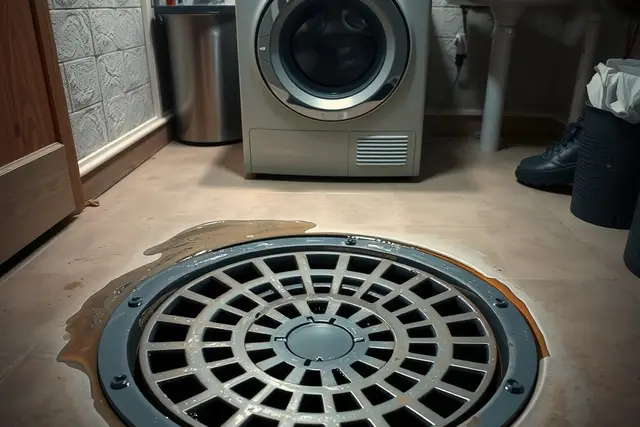
Floor drain in Aurora?
Answered 24/7
Including holidays and storms
Licensed local plumbers
Licensed in Colorado
Winter-ready
Frozen lines and thaw calls
Price ranges up front
Know the range before they come
Common Aurora causes
- Lint from the basement laundry building up in the floor drain or standpipe
- A partial main line clog from wipes or grease
- A dry trap in a furnace room causing sewer smell
- Roots in older north Aurora clay laterals
Finished basement first aid
- 01
Stop the water
No laundry, showers or flushing until the line is cleared.
- 02
Lift what you can
Pull rugs and move furniture away from the drain.
- 03
Document it
Photograph the water and any damage before cleanup, for insurance.
- 04
Call
Mention if the cleanout is behind drywall so the plumber comes ready.
Laundry rooms in Aurora basements
A lot of 1970s and 1980s Aurora homes put the laundry in the basement next to the furnace, with the washer draining into a standpipe or laundry sink that feeds the same line as the floor drain. Modern high-efficiency washers pump water out fast, and if that line is half full of lint, the excess has to go somewhere, usually up the floor drain. A $10 mesh lint catcher on the discharge hose prevents most of these calls.
If clearing the laundry line doesn't stop water appearing around the floor drain, the main line is the next suspect. That's the point to stop doing laundry and have the main cleared from the cleanout.
Typical Aurora floor drain costs
| Job | Typical range |
|---|---|
| Laundry or floor drain line cleared | $150–$400 |
| Main line cleared | $200–$600 |
| Camera inspection | $150–$350 |
| Access panel added at cleanout | $150–$400 |
Laundry rooms and lint
In many Aurora basements, the washer drains into a standpipe or laundry sink that shares a line with the floor drain. High-efficiency washers pump water out quickly, and if that line is partly blocked with lint, water overflows at the floor drain. A mesh lint catcher on the discharge hose, emptied every few loads, prevents most of these calls. If the floor drain still takes on water after the laundry line is cleared, the main line is the next thing to check.
Finished basements
Aurora's finished basements raise the stakes. Water around a floor drain can quickly reach carpet and drywall. Keeping the floor drain area uncarpeted and uncluttered, and making sure the main cleanout is accessible behind a panel, both help. After a first backup, it's worth asking about a backwater valve if the house sits low relative to the main.
Groundwater or sewage?
- 01
Clear water after rain or snowmelt, no smell
Often groundwater; check gutters, grading and any sump pump.
- 02
Murky, smelly water after using fixtures
Sewage from a blocked line; stop water use and call.
- 03
Smell but no water
Usually a dry trap; refill it with water.
- 04
Water only during laundry
Lint in the laundry line or a partial main clog.
Why the floor drain is the first to show trouble
The basement floor drain is usually the lowest opening connected to your sewer line. When the main line narrows or blocks, wastewater looks for the lowest exit, and that's the floor drain. In Aurora homes with finished basements, that drain may be in a utility room tucked behind the furnace, so it's easy to miss early signs like a damp ring or a little standing water after laundry. Checking it once a month takes seconds and can save a lot of cleanup.
The trap that dries out
If you notice a sewer smell in the basement but no water, the floor drain trap has probably dried out. Every floor drain has a trap that holds water to block sewer gas. In a basement that rarely sees water, that water evaporates. Pouring a bucket of water down the drain every few months refills the trap. A small amount of mineral oil on top slows evaporation. If the smell returns quickly even after refilling, there may be a crack or a missing cleanout plug that a plumber should check.
Sump pits are not floor drains
Some Aurora homes have both a floor drain and a sump pit. The floor drain connects to the sewer; the sump collects groundwater around the foundation and pumps it outside. They solve different problems. Water appearing in the sump after heavy rain is normal. Water coming up from the floor drain, especially with an odor, points to the sewer line. Knowing which is which helps you describe the problem accurately when you call.
After a backup is cleared
Once the line is open, clean and disinfect the area around the floor drain, and dry the space quickly with fans or a dehumidifier to prevent mold. Throw away anything porous that sewage reached, such as cardboard boxes, rugs and carpet pad. Ask the plumber for the camera video and a note of the cause. If the cause was roots or a structural defect, schedule the follow-up work before it happens again.
Backwater valves in Aurora
If your Aurora basement has flooded from the sewer more than once, a backwater valve may be worth considering. It's installed on the main line and allows wastewater to leave the house but blocks it from flowing back in. Installation usually requires a permit and opening the floor or digging outside. Ask the plumber whether your home's layout suits one, and what maintenance it needs once installed.
Laundry-day overflows explained
A common Aurora call goes like this: the washer reaches its spin cycle, and a few minutes later water is pooling around the basement floor drain. Nothing else in the house seems slow. What's happening is that the washer pumps a large volume of water in a short burst, faster than a partly blocked line can carry it away, so the excess rises at the lowest opening. Sometimes the blockage is lint packed into the laundry branch; sometimes it's the start of a main line clog that hasn't affected toilets yet.
A plumber clears the branch first, then tests by running the washer through a drain cycle while watching the floor drain. If water still rises, the main gets cabled and scoped. Mention which day and cycle the overflow happens on when you call, because that detail points straight to the cause and shortens the visit.
Older Aurora basements
In homes north of Sixth Avenue, many floor drains are original cast iron with traps that have collected decades of sediment. Those drains get slow even when the main is fine. Clearing the trap and the short line beyond it usually restores flow, and a camera shows whether the pipe under the slab is still sound.
Common questions
Why does water collect around my Aurora floor drain after laundry?+
Lint in the laundry line or a partial main line clog. A plumber can test which.
How do I stop lint clogs?+
Add a lint trap or mesh filter to the washer discharge hose.
Does insurance cover a basement backup?+
Often only with a sewer backup endorsement. Check your policy.