Longmont · typical $200–$600
Frozen drain lines in Longmont
Longmont sits where the plains meet the foothills, and winter cold snaps arrive with wind. Most frozen drain calls here come from the same few spots in a house.
Frozen drain line in Longmont?
Answered 24/7
Including holidays and storms
Licensed local plumbers
Licensed in Colorado
Winter-ready
Frozen lines and thaw calls
Price ranges up front
Know the range before they come
The usual spots
- Kitchen and laundry drains on exterior walls in older east-side homes
- Drains in rooms over vented crawlspaces
- Bonus rooms above attached garages in newer subdivisions
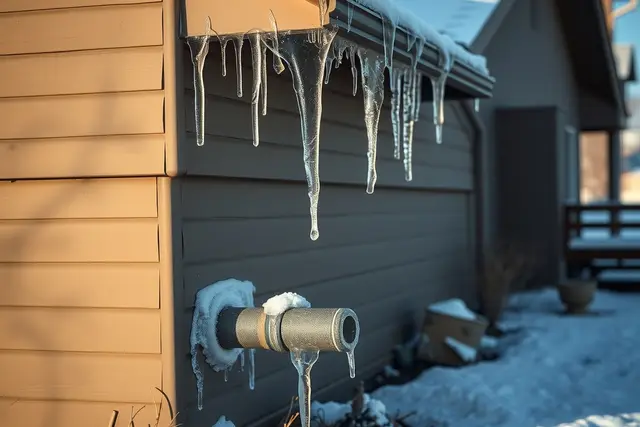
- Furnace condensate lines that exit into the wind
Older homes vs. newer homes
In historic Longmont homes, drains often run through crawlspaces added or modified over the decades, with little insulation. In newer homes the risk is usually the garage: bathrooms over it, or a laundry room on the garage wall. Both are fixable with insulation and, for the worst spots, heat cable.
After the thaw
Once a frozen line is thawed, it's worth running water and watching for a few minutes. If the drain is still slow, ice may have formed behind a partial clog of grease or lint that needs clearing too. If water appears where it shouldn't, the freeze may have cracked an older pipe.
For Longmont homes that freeze in the same spot every winter, insulating the run and adding a heat cable usually costs less than one emergency thaw call.
Typical Longmont thaw costs
| Job | Typical range |
|---|---|
| Interior drain thaw | $200–$450 |
| Bonus-room or garage drain thaw | $250–$500 |
| Condensate line thaw | $150–$350 |
| Prevention work afterward | $150–$500 |
Foothills wind and cold
Longmont sits where cold air spills off the foothills onto the plains, and chinook and downslope winds can drive temperatures and wind chill down quickly. Drains in bonus rooms over garages, laundry rooms on garage walls and exterior walls facing the mountains are the ones that freeze. Furnace condensate lines exiting on the west side are particularly exposed.
Older homes vs newer homes
In historic east-side homes, drains often run through crawlspaces that were modified over the decades with little insulation. In newer subdivisions, the risk is the garage. Both are fixable: insulation and closed vents for crawlspaces, insulated garage ceilings and closed doors for bonus rooms, and heat cable where a line freezes every year.
A winter checklist
- 01
October
Insulate exposed drains and close crawlspace vents.
- 02
First cold front
Check that the condensate line exit is clear and sloped.
- 03
Every cold snap
Open cabinets, close the garage and run warm water through vulnerable drains.
- 04
After any freeze
Look for leaks and fix the cause before the next one.
Where Longmont drains actually freeze
Most frozen drain calls in Longmont trace back to a handful of spots. The first is the laundry room that shares a wall with the garage, common in subdivisions built from the 1990s on. The washer standpipe and its trap sit inside that wall, and if the garage door is left open on a windy morning, the trap can ice over in a few hours. The second is the bonus room above the garage, where the tub or shower drain crosses a floor cavity that is only as warm as the garage ceiling insulation allows. The third is the older east-side home with a kitchen addition built on piers over a shallow crawlspace.
Each of those spots has a different fix, which is why it matters to know where the ice is before anyone starts work. A plumber will usually ask which fixtures stopped, when they last worked and whether the garage or crawlspace was open, then follow the drain path to the coldest section.
Thawing without damaging the pipe
Plastic drain pipe softens with high heat and older cast iron can crack if it is heated unevenly, so the safest thaw works from inside the pipe. A steamer or a small hot-water jetter is fed through the fixture or a cleanout and melts the ice gradually as it advances. It takes longer than pointing a heat gun at a wall, but it does not risk warping a fitting or starting a fire inside a cavity full of insulation and framing.
Once water is moving again, the plumber should run the fixture for several minutes and check the line where it froze. Ice can split a fitting, and a slow drip inside a garage wall can go unnoticed until drywall stains show up weeks later.
A note for St. Vrain-area renters and owners
If you rent, tell your landlord the first time a drain freezes rather than waiting to see whether it happens again. A single freeze is a sign that one section of pipe is exposed, and the inexpensive fix of insulation or a heat cable is far cheaper than a split pipe and a water-damaged ceiling. If you own, keep a note of which drain froze and on what night. That record makes the prevention work faster and helps a plumber decide whether a reroute is worth it.
When heat cable makes sense
Self-regulating heat cable is a good answer for a drain that runs through a space you can't easily insulate, such as a short run in an exterior wall or a trap in a garage. It is installed along the pipe, wrapped in insulation and plugged into a protected outlet. It is not a fix for a drain that freezes because the line is sagging and holding water; that needs the slope corrected. A plumber can tell which one you have by looking at the run and, if needed, scoping it after the thaw.
If you're away during a cold snap
If you travel in winter, keep the heat set at a reasonable temperature and leave cabinet doors on exterior walls open. Ask a neighbor to check the house during a cold snap. A frozen drain is a nuisance; a split pipe running for days while the house is empty is far worse.
A small kit for cold nights
Keep a flashlight, a space heater with tip-over shutoff, a few towels and your plumber's number in one place. When a drain stops on a frigid morning, you can warm the area safely and make the call without hunting for anything.
Newer homes along the Diagonal
Subdivisions on Longmont's southwest side and along the Diagonal Highway often have open floor plans with plumbing on the exterior walls and in the garage. Builders insulate to code, but small gaps around pipes where they pass through framing are common, and wind finds them. If a drain froze in your newer home, ask the plumber to check where the pipe passes through the wall or floor for an air gap. Sealing those penetrations with foam and adding insulation is a modest job that usually ends the problem for good.
Common questions
My furnace stopped and the drain outside is iced. Are they related?+
Very likely. A frozen condensate line trips the furnace's safety switch.
How long does thawing take?+
Often under an hour with a steamer or hot-water jetter, longer for long or deeply frozen runs.
Do I need heat tape?+
On lines that freeze every winter, heat cable is a common, inexpensive fix.